
Loading, please wait...
LOT 1220
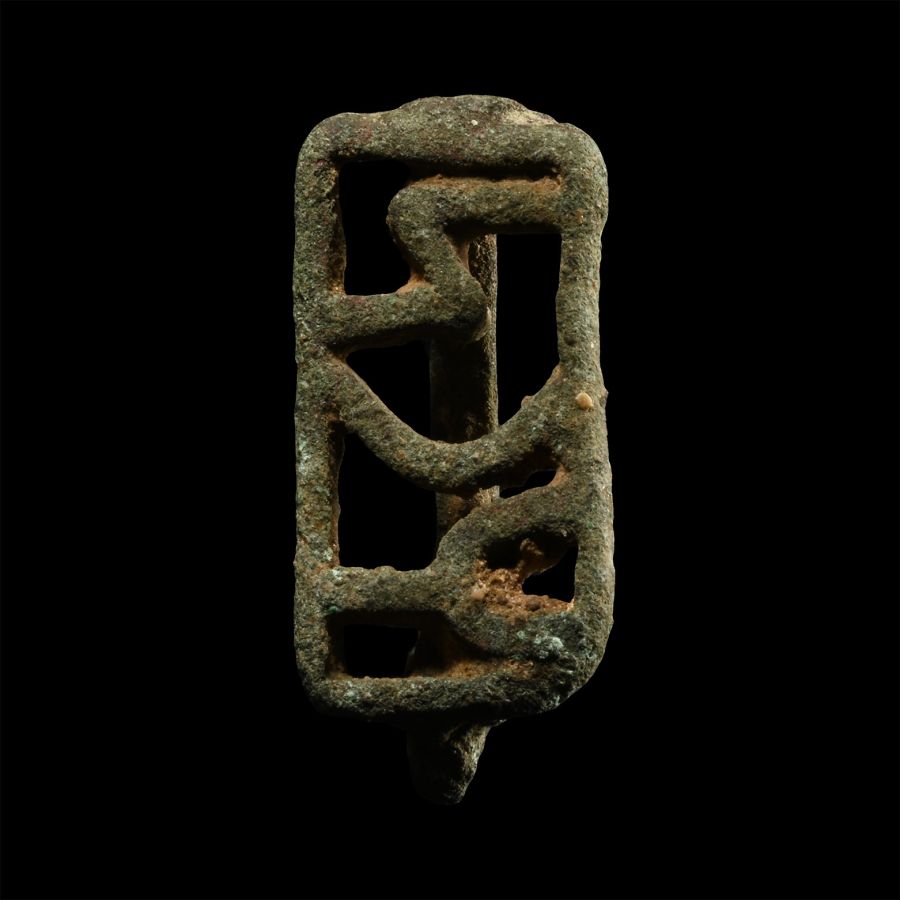
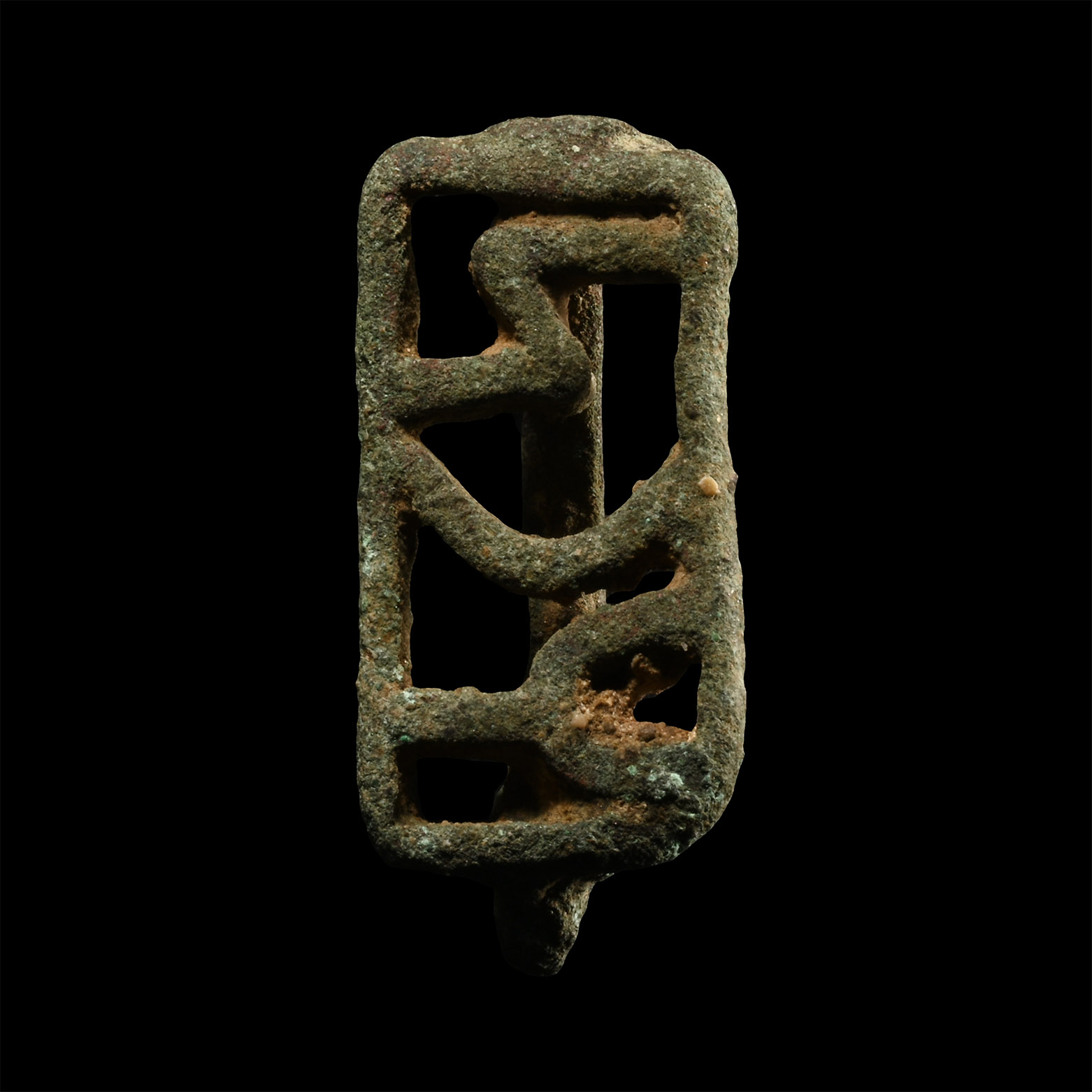
Bactrian Inscribed Bronze Openwork Seal
2ND-1ST MILLENNIUM B.C.
1 1/2 in. (9.45 grams, 37 mm).
Rectangular openwork plate with reserved lettering, bar to the reverse with suspension loop. [No Reserve]
ProvenanceCollected from 1969-1999.
From the collection of the late Mr S.M., London, UK.
TimeLine Auctions follows a vetting process to ensure the authenticity and legality of all items, reinforcing our commitment to integrity and responsible trading. Each antiquity, antique, and coin lot undergoes thorough examination by a vetting committee of at least ten external specialists, professional trade association members, scientists, and archaeologists: Our Vetting Process
AUCTIONS:
TimeLine is a leading auction house specialising in antiquities, ancient art, collectables, natural history, coins, medals, and books. Our auctions offer museums, collectors, historians, and enthusiasts the opportunity to acquire unique and historically significant pieces.
-
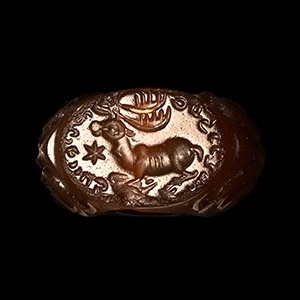
Sassanian Carnelian Stamp Seal with Stag and Inscription
3rd-7th century A.D.Sold for (Inc. bp): £1,170
With scrolls to the shoulders, ellipsoid face with intaglio running stag, star and Pahlavi legend surrounding. 6.86 grams, 23 mm
Acquired between 1980-1983. From the 'Empire' collection, an important UK private collection of seals. -
.jpg)
Sassanian Stag Gemstone
Circa 3rd-4th century A.D.Sold for (Inc. bp): £140
Carnelian with intaglio recumbent stag with legs folded beneath the body, within a pelletted border; supplied with a museum-quality impression. 0.47 grams, 11 mm
From the collection of a Swiss gentleman formed in Europe from 1970-1980s; thence by descent from the family in London. -
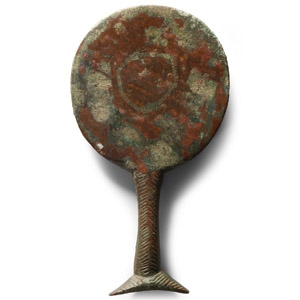
Amlash Bronze Mirror
1st millennium B.C.Sold for (Inc. bp): £85
With discoid body, remains of tinning to the front face, the reverse with sub-circular wreath composed of curved zigzags, waisted stem incised with chevrons to both faces, domed base with hatched lines to upper face and base. 138 grams, 11.6 cm
UK private collection before 2000. On the UK art market. Property of a London gentleman.
