
Loading, please wait...
LOT 0232
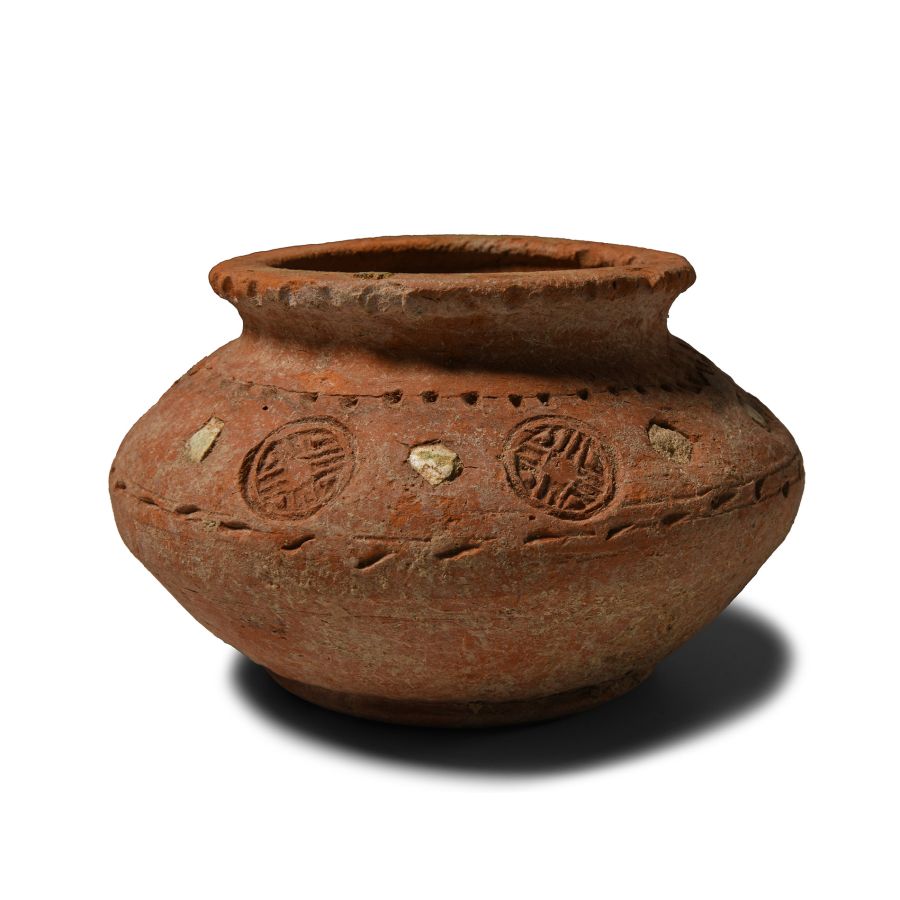
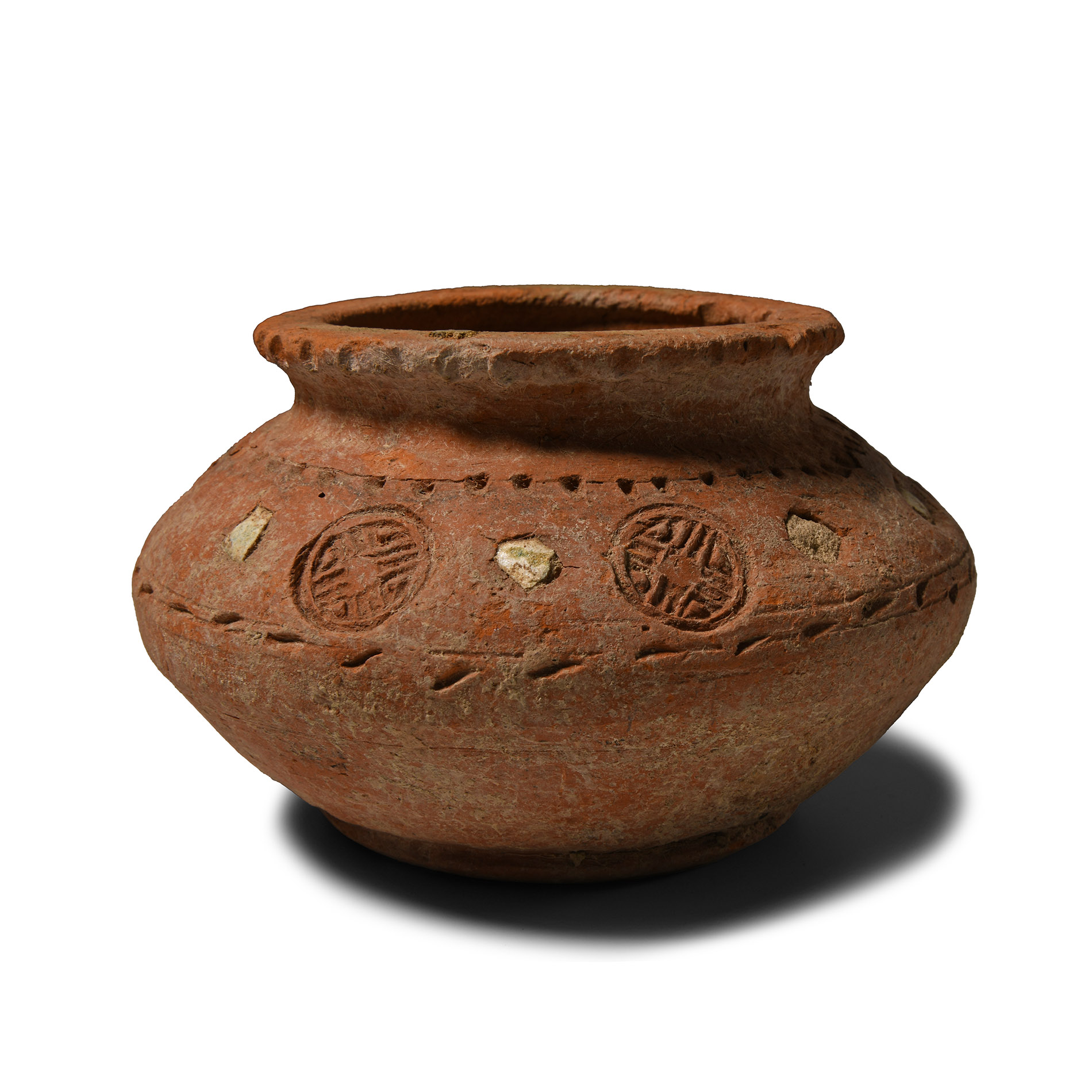
Bactrian Ceramic Jar with Stamped Decoration
1ST MILLENNIUM B.C.
5 3/8 in. (540 grams, 13.8 cm wide).
Squat in profile with broad foot, carinated rim with notched edge, band of impressed rosettes and inset shell studs to the shoulder, notched borders.
Provenancewith a London, UK gallery 1971-early 2000s.
CONDITIONTimeLine Auctions follows a vetting process to ensure the authenticity and legality of all items, reinforcing our commitment to integrity and responsible trading. Each antiquity, antique, and coin lot undergoes thorough examination by a vetting committee of at least ten external specialists, professional trade association members, scientists, and archaeologists: Our Vetting Process
AUCTIONS:
TimeLine is a leading auction house specialising in antiquities, ancient art, collectables, natural history, coins, medals, and books. Our auctions offer museums, collectors, historians, and enthusiasts the opportunity to acquire unique and historically significant pieces.
-
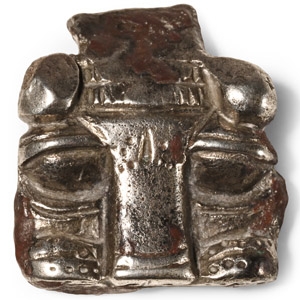
Western Asiatic Silver Lion Bracelet Terminal Head
Late 1st millennium B.C.Estimate: £150 - 200 (+bp*)
Opening Bid: £53
Stylised rectangular lion-head with pointillé texture, segmented facial features. 18.6 grams, 25 mm
with a London, UK gallery 1971-early 2000s. -
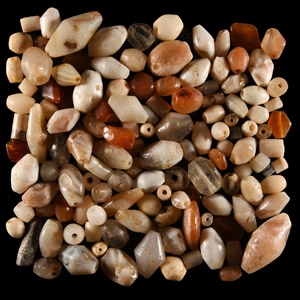
Western Asiatic Mixed Agate and Carnelian Bead Group
1st millennium B.C. and laterSold for (Inc. bp): £468
Mainly bicones, spheres and oblate shapes. 280 grams total, 6-34 mm
Acquired 1980-2015. Ex Abelita family collection. -
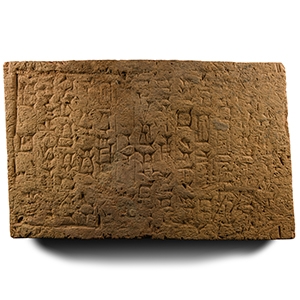
Temple Brick Section of Nebuchadnezzar II, King of Babylon
Circa 604-562 B.C.Sold for (Inc. bp): £5,200
A rectangular-section panel with fourteen columns of cuneiform text mentioning the foundation of a temple by Nebuchadnezzar II, translating as 'King of Babylon provisioner of Esagil and Ezida prime son of Nabopolassar, King of Babylon and Ebabbara, the temple of Shamash in Larsa..[...]. 1.05 kg, 21 x 13 cm
Formerly in a private collection since 1980. Acquired from the private collection of L.H., Staffordshire, UK. Previously the property of an East Sussex, UK, gentleman. From a collection acquired from various auction houses in the UK. From the estate of Mr R.W., a private Wiltshire, UK, collector; thence by descent. Accompanied by a copy of a five-page specialist report by James Brenchley. This lot has been checked against the Interpol Database of stolen works of art and is accompanied by search certificate no.12315 -215546.
The construction of the Hanging Gardens of Babylon and the destruction of Jerusalem's temple are ascribed to Nebuchadnezzar II. He is featured in the biblical Book of Daniel and is mentioned in several other books of the Bible.
