
Loading, please wait...
LOT 1366
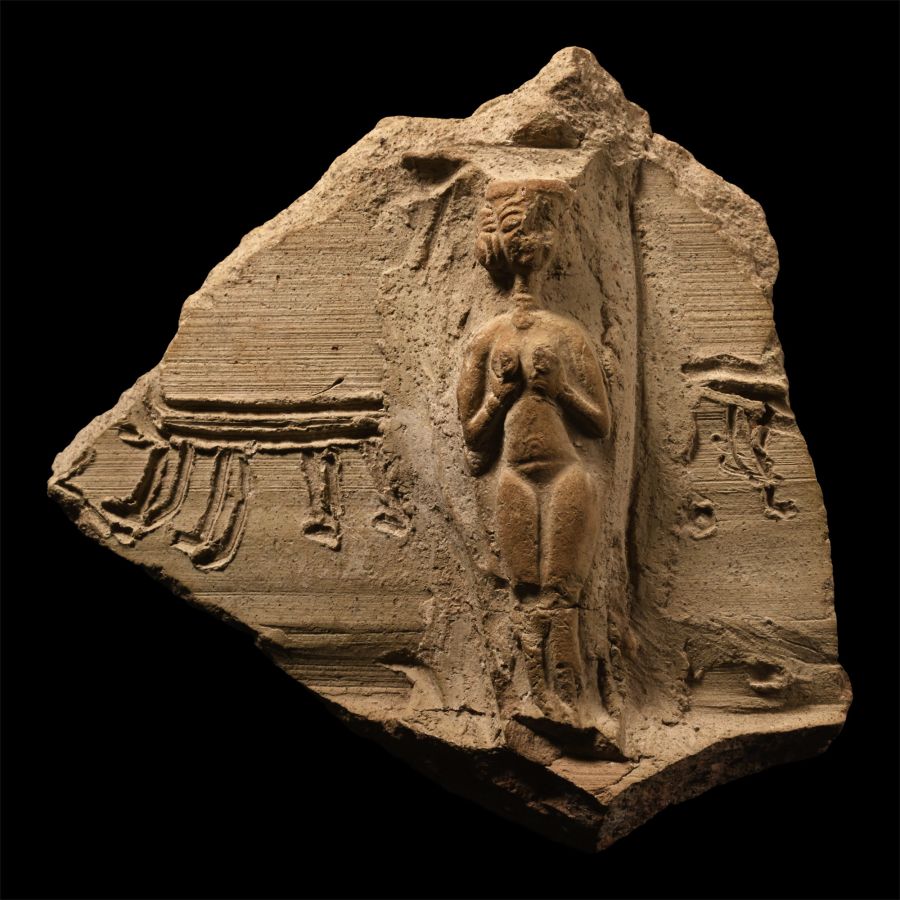
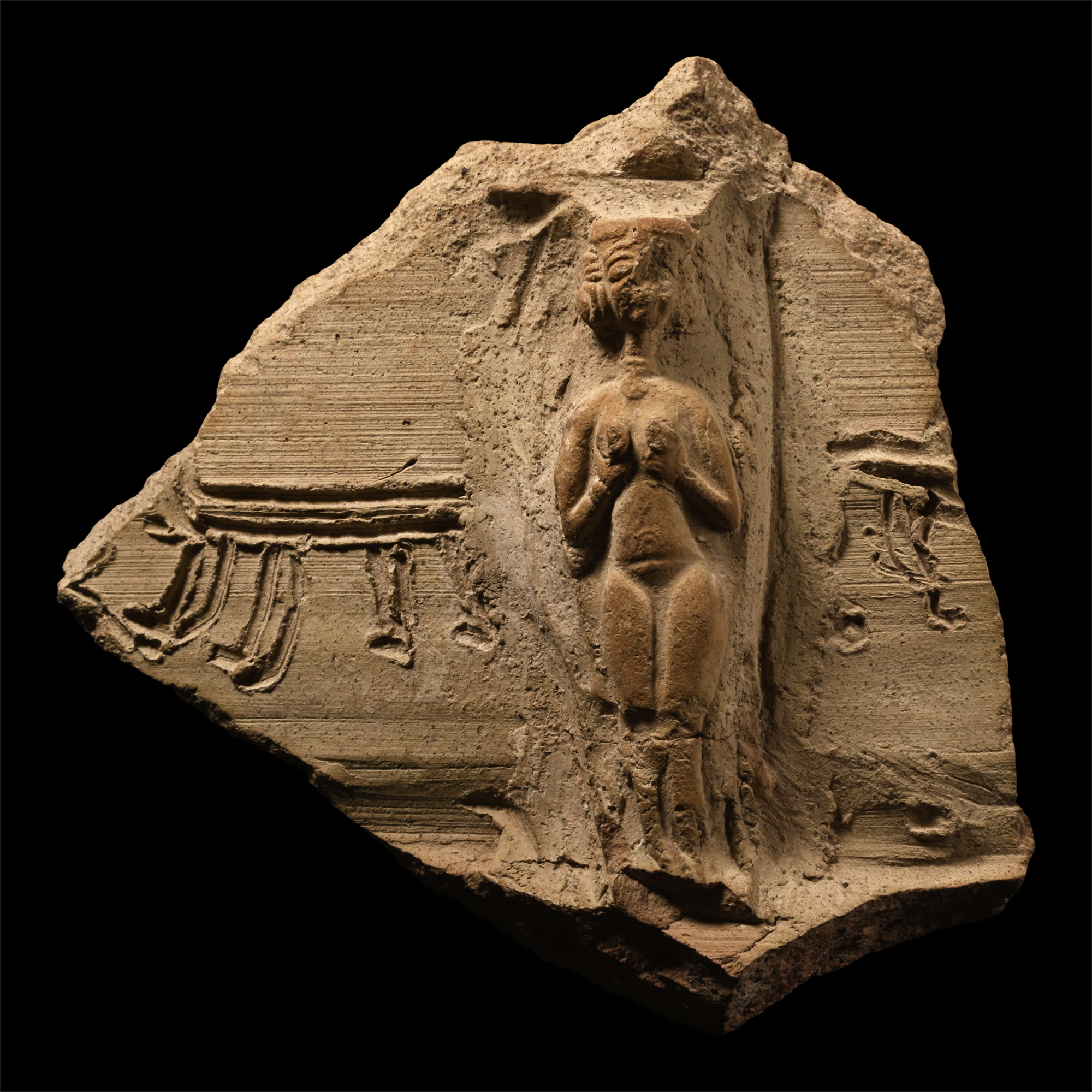
Babylonian Terracotta Relief with Astarte
2ND MILLENNIUM B.C. AND LATER
5 3/8 in. (350 grams, 13.5 cm).
Fragment with applied vertical female figure supporting her breasts in her hands, flanked by incised lateral wing motifs, a marriage.
ProvenanceAcquired in the mid 1980s-1990s.
Private collection, Switzerland, thence by descent.
Private collection, since the late 1990s.
This lot has been cleared against the Art Loss Register database, and is accompanied by an illustrated lot declaration signed by the Head of the Antiquities Department, Dr Raffaele D'Amato.
TimeLine Auctions follows a vetting process to ensure the authenticity and legality of all items, reinforcing our commitment to integrity and responsible trading. Each antiquity, antique, and coin lot undergoes thorough examination by a vetting committee of at least ten external specialists, professional trade association members, scientists, and archaeologists: Our Vetting Process
AUCTIONS:
TimeLine is a leading auction house specialising in antiquities, ancient art, collectables, natural history, coins, medals, and books. Our auctions offer museums, collectors, historians, and enthusiasts the opportunity to acquire unique and historically significant pieces.
-
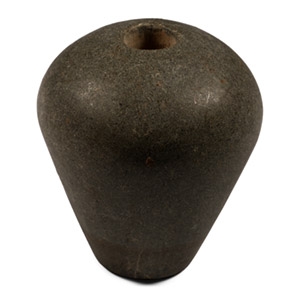
Western Asiatic Stone Macehead
3rd-2nd millennium B.C.Sold for (Inc. bp): £117
Piriform with vertical socket expanding towards the narrower end. 446 grams, 7 cm
From the collection of a London, UK, gentleman, 1990s. This lot has been cleared against the Art Loss Register database, and is accompanied by an illustrated lot declaration signed by the Head of the Antiquities Department, Dr Raffaele D'Amato. -

Western Asiatic Ceramic Vessel Group
1st millennium B.C.Sold for (Inc. bp): £39
Comprising three small bulbous vessels, one with a loop handle and a narrow foot, and one with ledge handles. 334 grams total, 70-83 mm
Acquired from older English collections via the UK art market since the mid 1970s. From the private collection of Peran Dachinger, thence by descent. From the family collection of a Maida Vale lady, UK. This lot has been cleared against the Art Loss Register database, and is accompanied by an illustrated lot declaration signed by the Head of the Antiquities Department, Dr Raffaele D'Amato. -
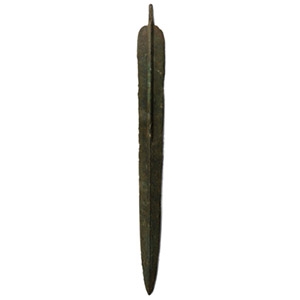
Very Large Luristan Bronze Dagger Blade
Early 1st millennium B.C.Sold for (Inc. bp): £169
Tapering leaf-shaped blade with a raised midrib developing to a short tang, pierced at the lower end. 374 grams, 49.5 cm
Ex London art market, 1980-1990s. This lot has been cleared against the Art Loss Register database, and is accompanied by an illustrated lot declaration signed by the Head of the Antiquities Department, Dr Raffaele D'Amato.
The Luri people produced a quantity of fine metalwork, which according to Dr. Khorasani, could be due to a settled period which arose as a result of the defeat of the Elamites by the Babylonians, leaving the Luristani people in relative peace for a period of time after 1200 BC. According to Khorasani 'A culture of innovation and experimentation flourished, and the repertoire of the Luristan smiths expanded in the period between 1150–1050 B.C.'
