
Loading, please wait...
LOT 2342
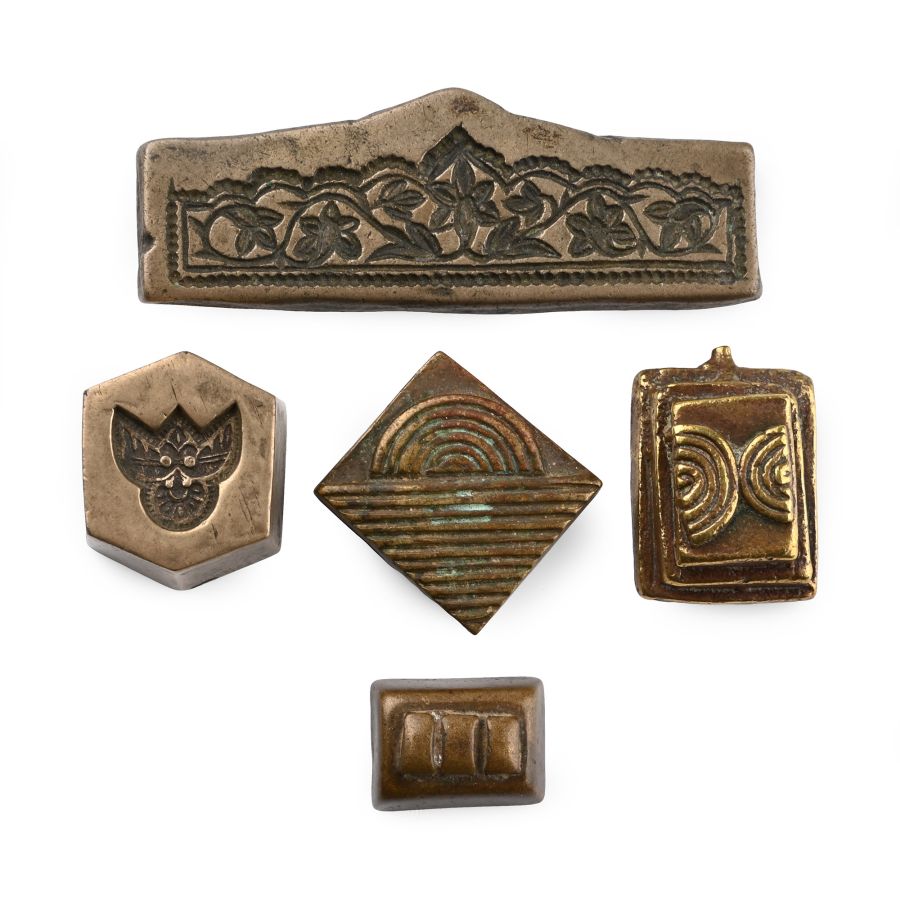
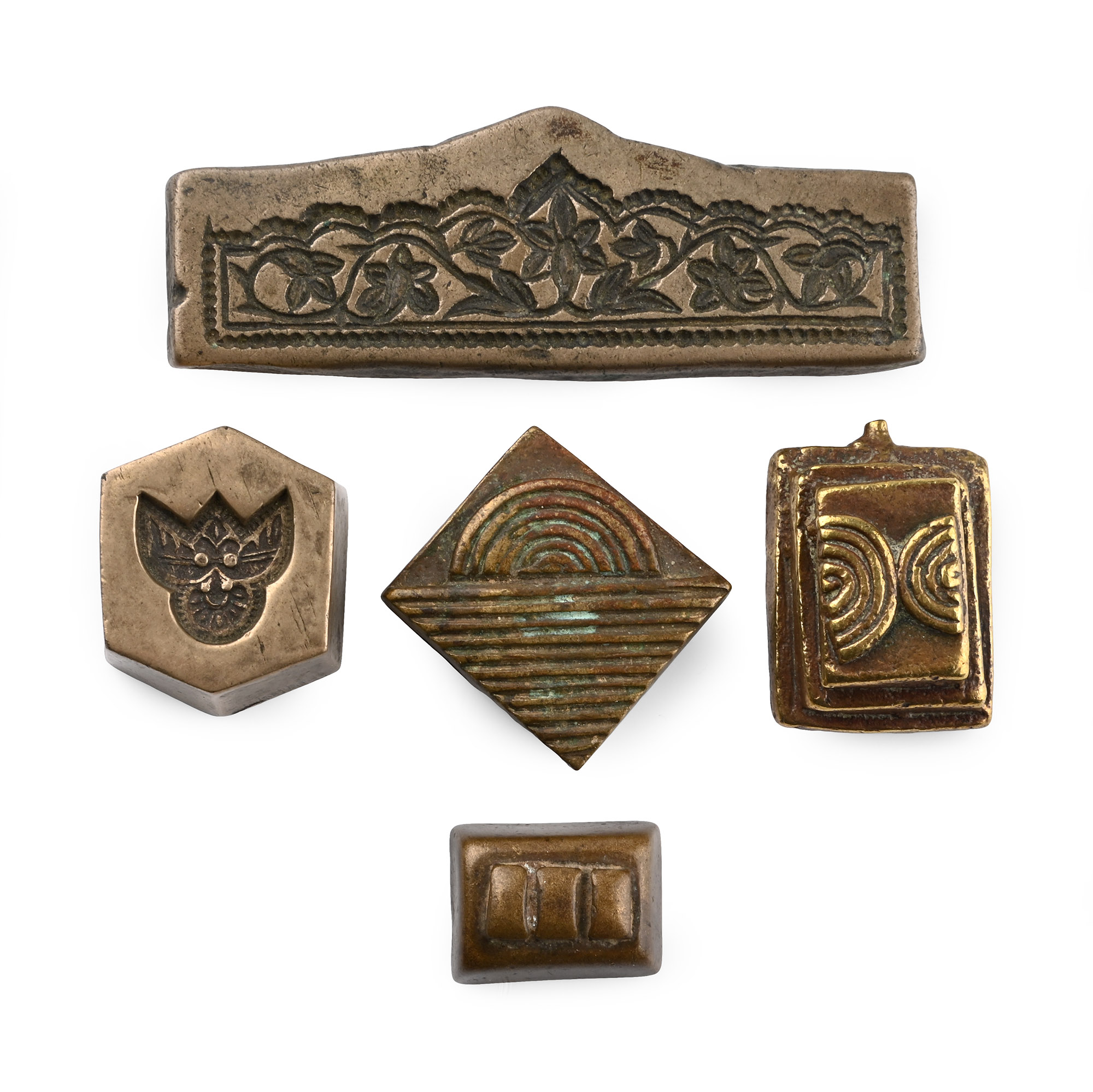
Ashanti Bronze Gold Weight Collection
AKAN, 19TH-20TH CENTURY A.D.
3/4 - 2 3/4 in. (211 grams total, 19-68 mm).
Including a hexagonal-section block with stamped motif, rectangular bars and other types. [5, No Reserve]
ProvenanceFrom an old Oxford, UK, collection.
From the property of a late Lincolnshire, UK, gentleman.
TimeLine Auctions follows a vetting process to ensure the authenticity and legality of all items, reinforcing our commitment to integrity and responsible trading. Each antiquity, antique, and coin lot undergoes thorough examination by a vetting committee of at least ten external specialists, professional trade association members, scientists, and archaeologists: Our Vetting Process
AUCTIONS:
TimeLine is a leading auction house specialising in antiquities, ancient art, collectables, natural history, coins, medals, and books. Our auctions offer museums, collectors, historians, and enthusiasts the opportunity to acquire unique and historically significant pieces.
-
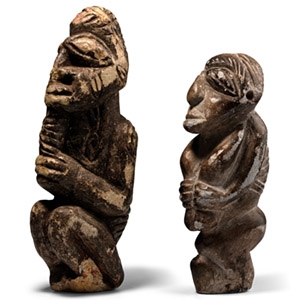
West African Squatting Stone Figure Pair
Kissi Tribe, early 20th century A.D.Sold for (Inc. bp): £7
Carved stone statues (twins) from Sierra Leone; two steatite anthropomorphic carvings, one male and one female, both with hands wrapped around the knees. 2.55 kg total, 20-23.5 cm
From Sierra Lione, West Africa. From an old Norwich, UK, collection. From the property of a late Lincolnshire, UK, gentleman.
The Kissi as early as the 15th century, revered soapstone (steatite) anthropomorphic carvings, which are found in fields and rivers in the area centered around Sewa and Mano rivers. The Kissi people call them Pomdo (Pombo), which mean "the deceased". Some of their carvings are extremely old. These statues were the abodes of the spirits of their ancestors. In order to find out which ancestor a statue represented; a man’s dreams were analyzed with the help of the diviner. At festivities the statue was wrapped in cotton upon which sacrificial blood had been poured. The owner (the guardian of the statue) placed it on the family altar; hence it was thought to be the family’s protector against sickness. It was also consulted before a new undertaking was planned. The statues were believed to have supernatural power and were used in rice cultivation. Remarkably, the descendants of the Kissi people still keep up the tradition of stone carving. -
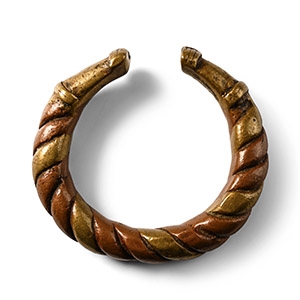
African Bi-Metal Slave Bracelet
19th century A.D.Sold for (Inc. bp): £20
Penannular in form and D-shaped in section formed from bronze and brass coils, with clubbed beast-head finials. 182 grams, 76 mm
Private collection, London, UK. -
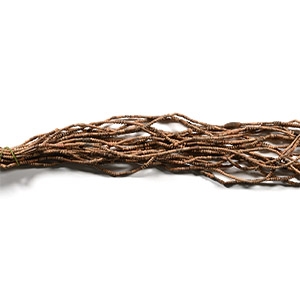
African Terracotta Bead Necklace Group
12th century A.D. or laterSold for (Inc. bp): £46
Ten restrung mainly cream and beige-coloured rondelle, tubular and ribbed beads and other types. 64 grams total, 72-74 cm
Ex property of a UK gallery, early 2000s.
