
Loading, please wait...
LOT 2394
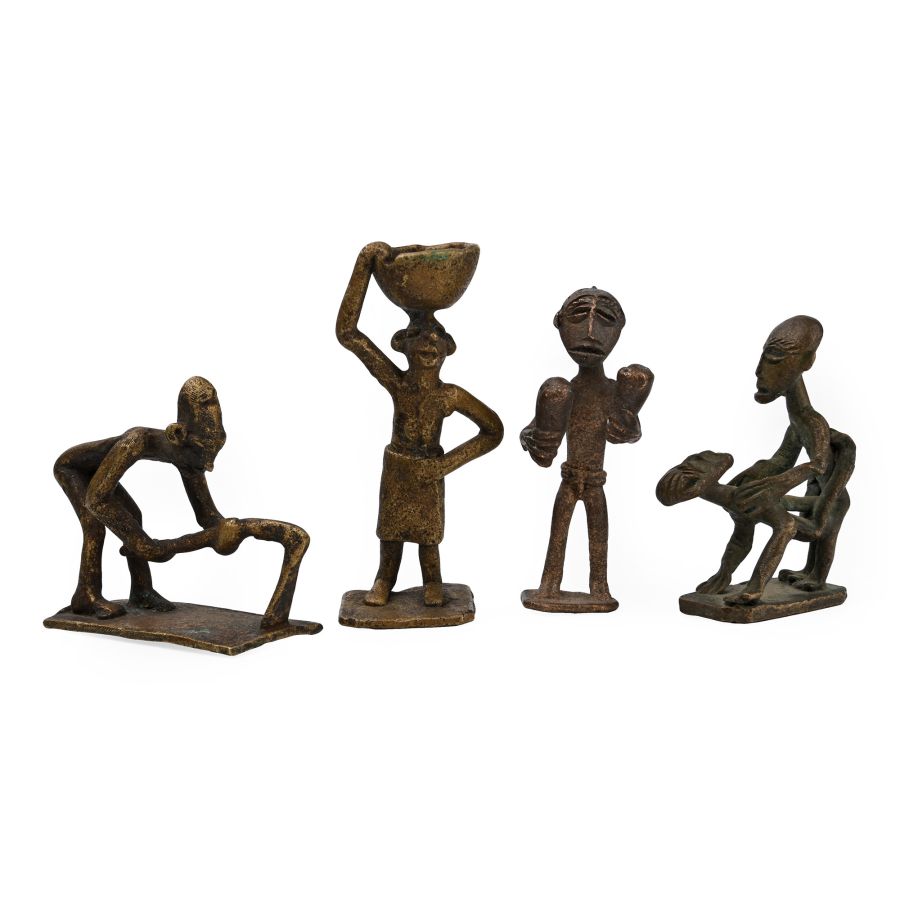
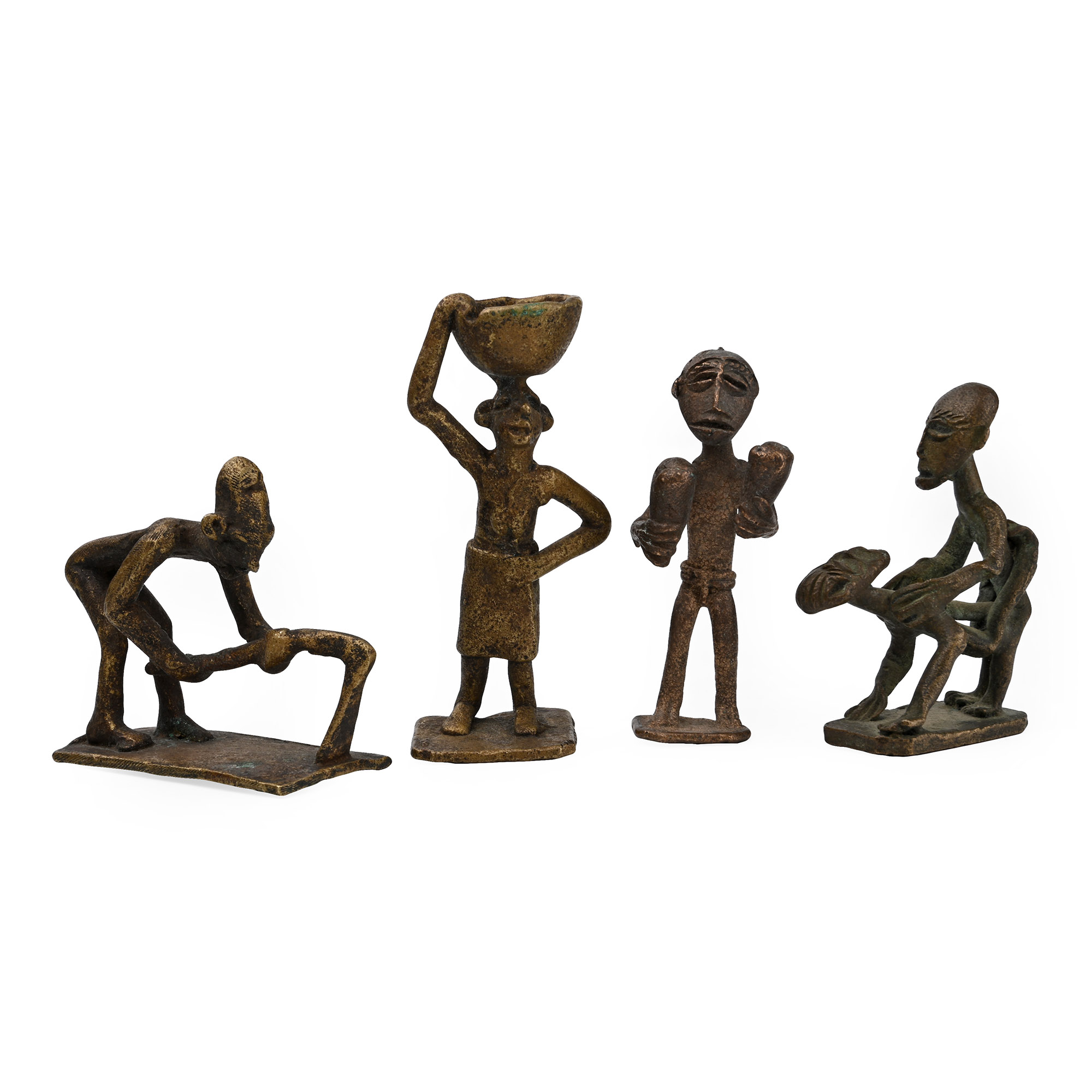
Ashanti Bronze Gold Figural Weight Collection
AKAN TRIBE, 19TH-20TH CENTURY A.D.
2 - 2 1/2 in. (150 grams total, 49-64 mm).
Including a figure using a hoe, another carrying a basket on her head and other types. [4, No Reserve]
ProvenanceFrom an old Oxford, UK, collection.
From the property of a late Lincolnshire, UK, gentleman.
TimeLine Auctions follows a vetting process to ensure the authenticity and legality of all items, reinforcing our commitment to integrity and responsible trading. Each antiquity, antique, and coin lot undergoes thorough examination by a vetting committee of at least ten external specialists, professional trade association members, scientists, and archaeologists: Our Vetting Process
AUCTIONS:
TimeLine is a leading auction house specialising in antiquities, ancient art, collectables, natural history, coins, medals, and books. Our auctions offer museums, collectors, historians, and enthusiasts the opportunity to acquire unique and historically significant pieces.
-
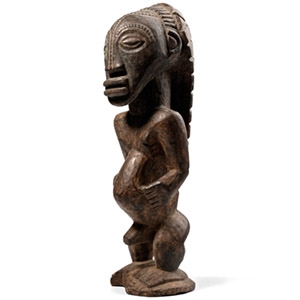
African Wooden Fertility Figure
Baule Tribe, early-mid 20th century A.D.Sold for (Inc. bp): £26
A carved standing figure with an elaborate hairstyle tied back with a band; scarification to the face. 904 grams, 35 cm
From Côte d'Ivoire, West Africa. From a Glasgow ethnographical collection; formed 1940s-1950s. From the property of a late Lincolnshire, UK, gentleman.
Baule statues are usually standing on a base with legs slightly bent, with their hands resting on their abdomen in a gesture of peace, and their elongated necks supporting a face with typically raised scarification and bulging eyes. -
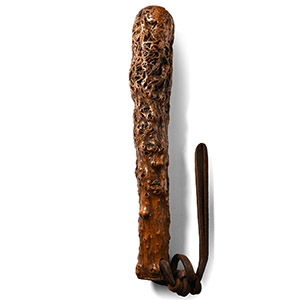
Vunikau War Throwing Club
Fiji, 19th century A.D.Sold for (Inc. bp): £260
A natural root club with a good patina of age and wear; hide thong for suspension. 391 grams, 34.2 cm
From Fiji, South Pacific. From an old Northern Ireland collection. From the property of a late Lincolnshire, UK, gentleman.
“The club was the Fijian warrior's favourite weapon. He had his spears, from ten to fifteen feet long and often richly carved, efficient bows and arrows, and slings for throwing stones; but, although these had each its special use, none approached the club in popularity.” R. A. Derrick, “Notes on Fijian Clubs, (With a System of Classification)”. -
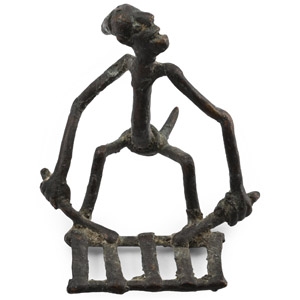
West African Bronze Figure of a Musician
19th-20th century A.D.Sold for (Inc. bp): £13
Figure of a musician playing a type of xylophone with a beater in each hand. 89 grams, 93 mm
From an old Oxford, UK, collection. From the property of a late Lincolnshire, UK, gentleman.
