
Loading, please wait...
LOT 0286
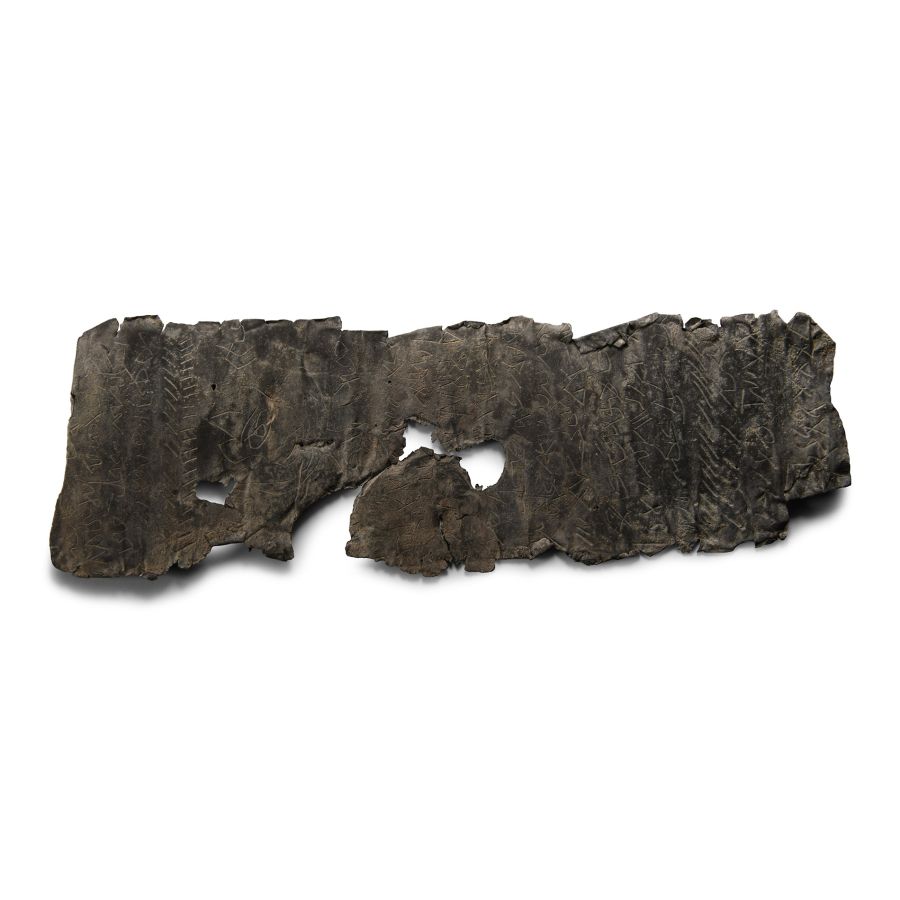
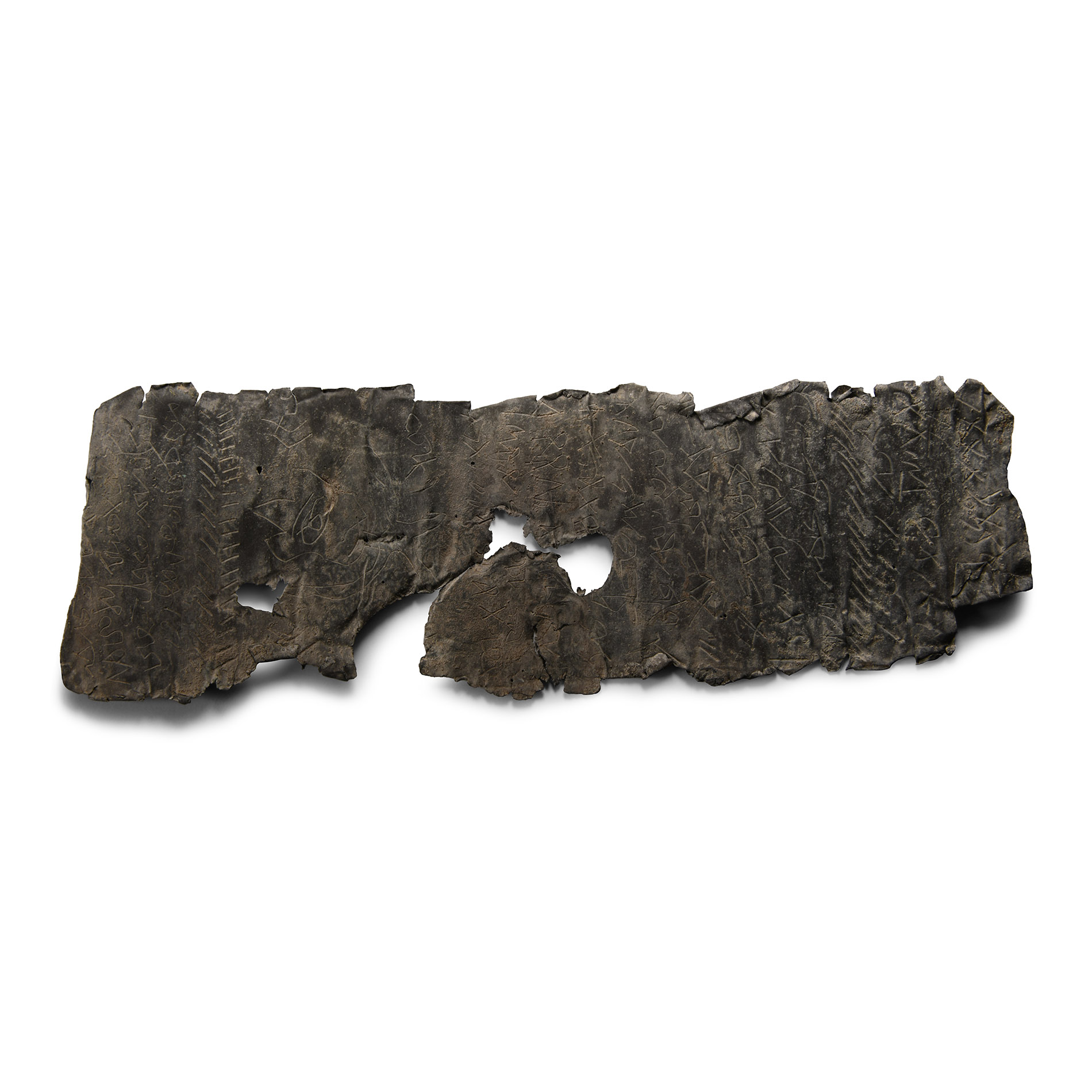
Aramaic Lead Magical Scroll
2ND-8TH CENTURY A.D.
7 1/4 in. (31 grams, 18.5 cm).
An unrolled irregular rectangular lead panel with lightly incised Aramaic script text and figures; herringbone borders.
ProvenanceCollected from 1969-1999.
From the collection of the late Mr S.M., London, UK.
Cf. similar item in the collection of the British Museum under accession number 1962,0414.1.
CONDITIONTimeLine Auctions follows a vetting process to ensure the authenticity and legality of all items, reinforcing our commitment to integrity and responsible trading. Each antiquity, antique, and coin lot undergoes thorough examination by a vetting committee of at least ten external specialists, professional trade association members, scientists, and archaeologists: Our Vetting Process
AUCTIONS:
TimeLine is a leading auction house specialising in antiquities, ancient art, collectables, natural history, coins, medals, and books. Our auctions offer museums, collectors, historians, and enthusiasts the opportunity to acquire unique and historically significant pieces.
LOT 0286
Aramaic Lead Magical Scroll
Estimate £400 - 600€460 - 700 (for guidance only)$540 - 810 (for guidance only)
-
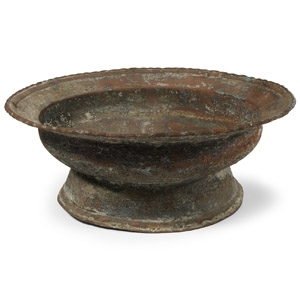
Western Asiatic Bronze Footed Bowl
Circa 13th-15th century A.D.Sold for (Inc. bp): £46
With broad bowl, carination and flange rim with dentilled edge, flared base; cracked. 846 grams, 27 cm diameter
From the property of the late Mr SM, London, UK, 1969-1999. -
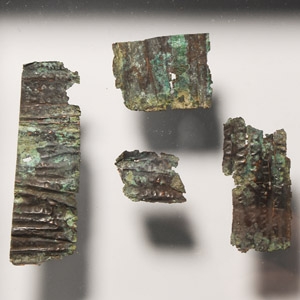
Aramaic Fragmentary Bronze Scroll Text
2nd-8th century A.D.Sold for (Inc. bp): £286
Group of sheet-bronze fragments each with impressed Aramaic calligraphic text; mounted in a display frame. 207 grams total, 15-51 mm (13 x 13.5 cm including case)
Collected from 1969-1999. From the collection of the late Mr S.M., London, UK. -
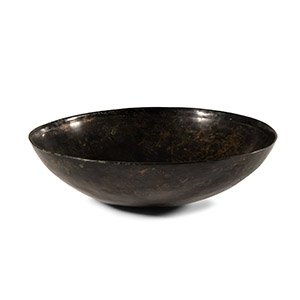
Neo-Assyrian Highly Polished Bronze Bowl
Early 1st millennium B.C.Sold for (Inc. bp): £416
Broad hemispherical body with rounded underise, thickened rim with single incised line. 256 grams, 20 cm diameter
Acquired 1980-2015. Ex Abelita family collection.
