
Loading, please wait...
LOT 1339
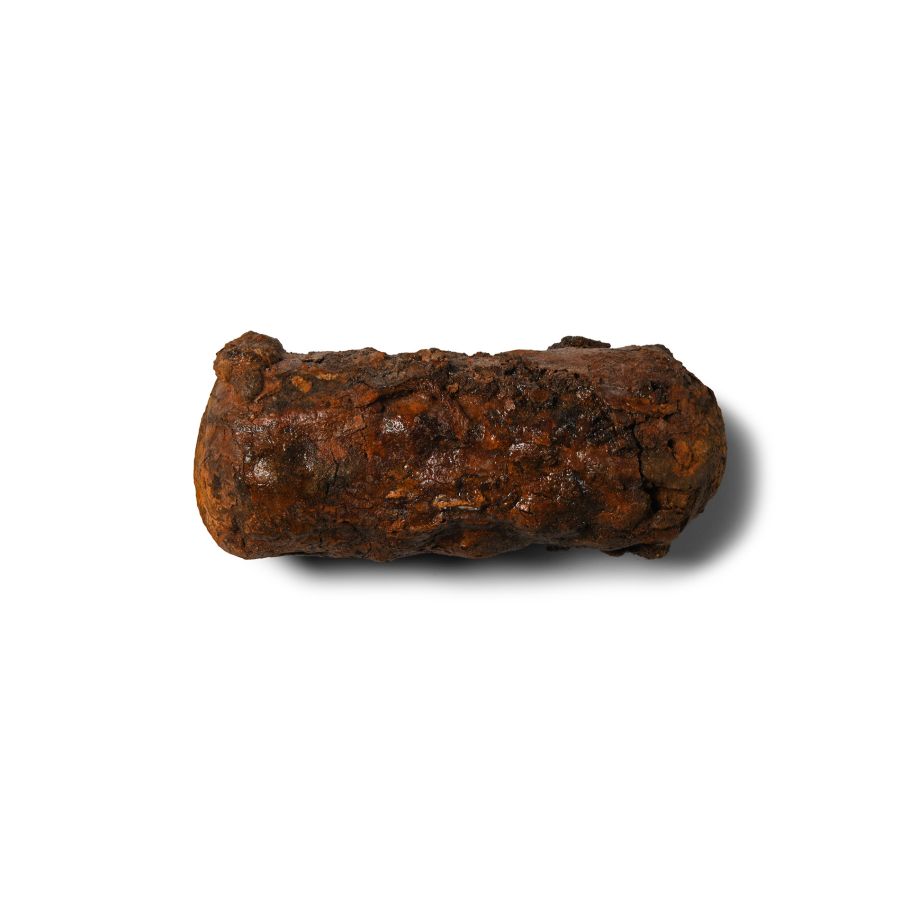
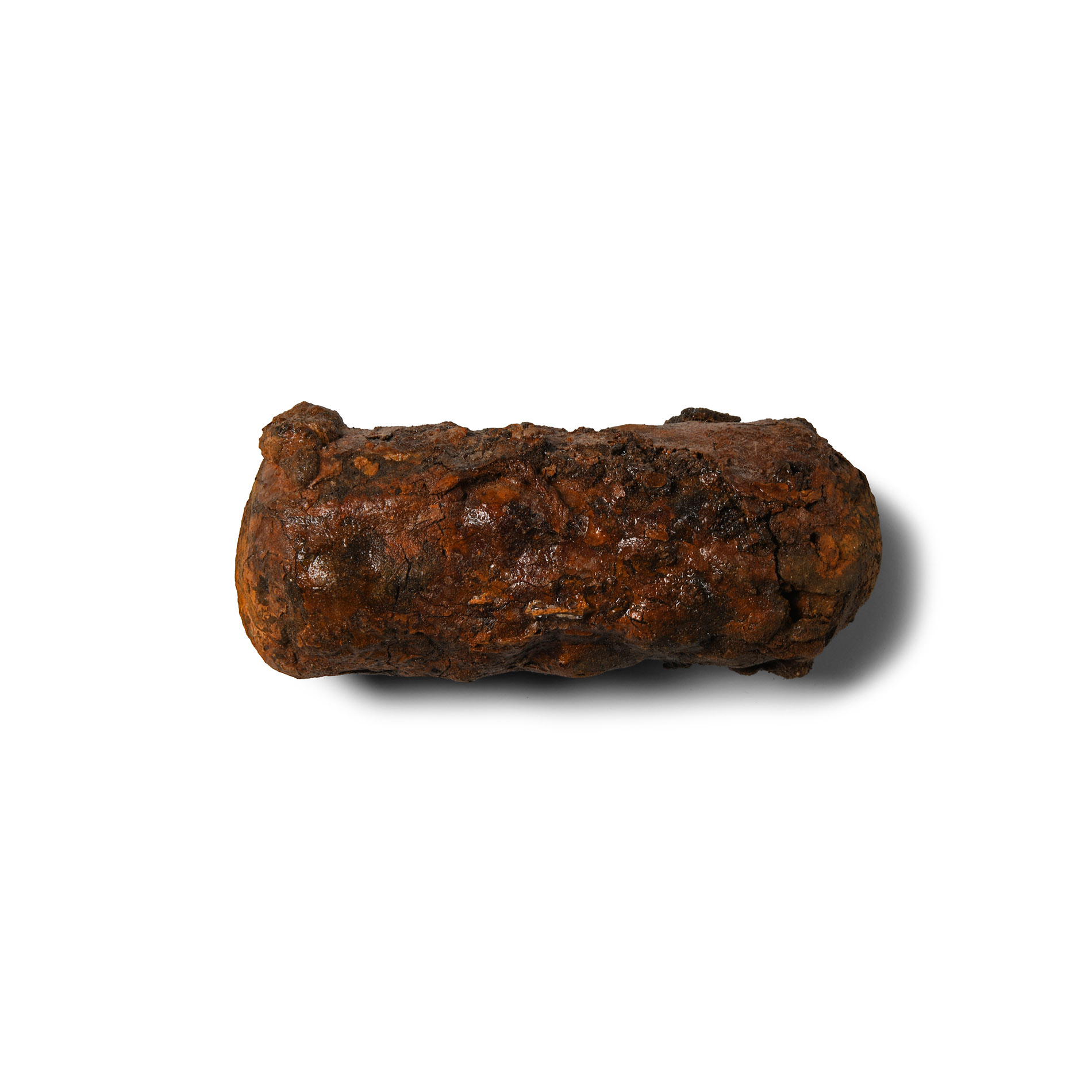
Aramaic Iron Scroll Holder
2ND-8TH CENTURY A.D.
3 5/8 in. (63 grams, 93 mm).
Tubular in form with domed ends, remnants of scroll still in situ. [No Reserve]
ProvenanceCollected from 1969-1999.
From the collection of the late Mr S.M., London, UK.
TimeLine Auctions follows a vetting process to ensure the authenticity and legality of all items, reinforcing our commitment to integrity and responsible trading. Each antiquity, antique, and coin lot undergoes thorough examination by a vetting committee of at least ten external specialists, professional trade association members, scientists, and archaeologists: Our Vetting Process
AUCTIONS:
TimeLine is a leading auction house specialising in antiquities, ancient art, collectables, natural history, coins, medals, and books. Our auctions offer museums, collectors, historians, and enthusiasts the opportunity to acquire unique and historically significant pieces.
-
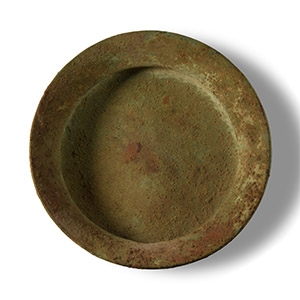
Achaemenid Bronze Bowl
5th-4th century B.C.Estimate: £200 - 300 (‡+bp*)
Opening Bid: £100
With broad flange rim, carinated profile and broad dished base. 225 grams, 15.3 cm
Private collection of Mr S.A., Switzerland, 1990s, thence by descent. -
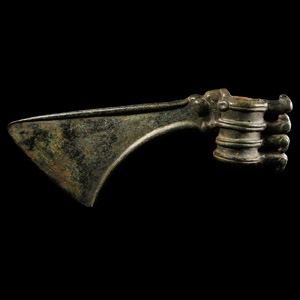
Luristan Bronze Spike-Butted Axehead
11th-8th century B.C.Estimate: £3,500 - 4,500 (‡+bp*)
Opening Bid: £1,750
Blade with folded upper and lower edge, cylindrical socket with projecting ribs formed as the necks and heads of birds, blace 'projecting' from the mouth of a roaring lion at the neck. 478 grams, 22.5 cm
Ex Parisian private collection. with Cuvreau Expertises Enchères S.A., sale 60, 21 June 2009, lot 105. This lot has been checked against the Interpol Database of stolen works of art and is accompanied by search certificate number no.11876-206787. -
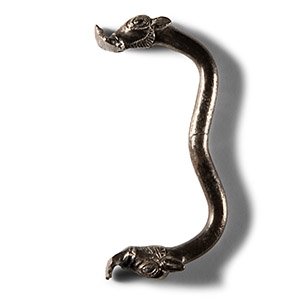
Achaemenid Silver Animal-Headed Handle
5th-4th century B.C.Estimate: £300 - 400 (+bp*)
Opening Bid: £120
With round-section shank slightly bowed at the middle, at each end a horse-head finial with low-relief detailing, pricked ears, integral attachment plate. 56.5 grams, 90 mm
Ex London, UK, gallery, 1971.
