
Loading, please wait...
LOT 1237
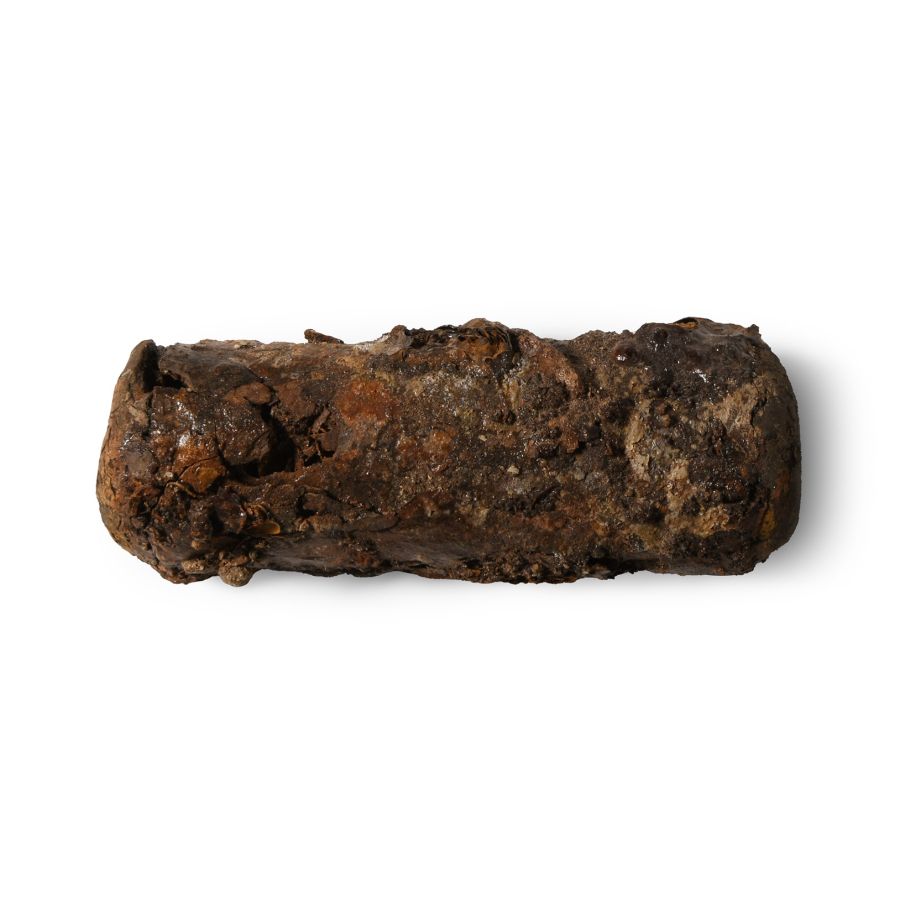
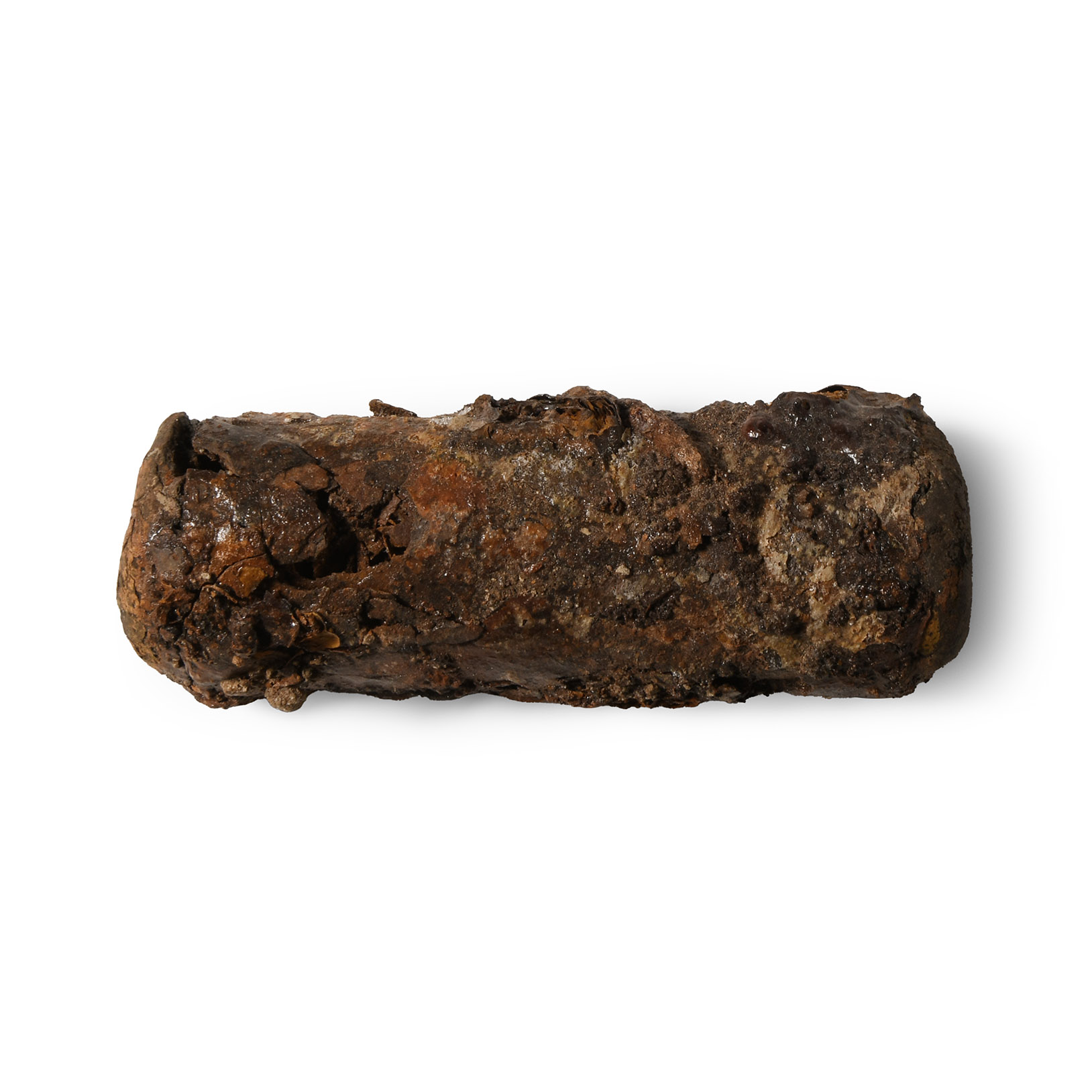
Aramaic Iron Magical Scroll Holder
2ND-8TH CENTURY A.D.
3 5/8 in. (50 grams, 92 mm).
Tubular in form with domed ends, remnants of scroll still in situ.
ProvenanceFrom the property of late Mr SM, London, UK, 1969-1999.
CONDITIONTimeLine Auctions follows a vetting process to ensure the authenticity and legality of all items, reinforcing our commitment to integrity and responsible trading. Each antiquity, antique, and coin lot undergoes thorough examination by a vetting committee of at least ten external specialists, professional trade association members, scientists, and archaeologists: Our Vetting Process
AUCTIONS:
TimeLine is a leading auction house specialising in antiquities, ancient art, collectables, natural history, coins, medals, and books. Our auctions offer museums, collectors, historians, and enthusiasts the opportunity to acquire unique and historically significant pieces.
-
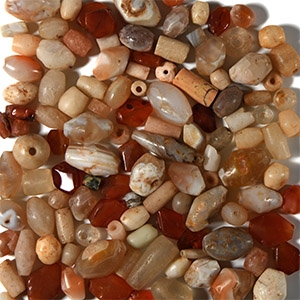
Western Asiatic Mixed Agate and Carnelian Bead Group
1st millennium B.C. and laterEstimate: £500 - 700 (+bp*)
Opening Bid: £250
Including biconvex, tubular, conical, tabular and other types. 195 grams total, 6-31 mm
Acquired 1980-2015. Ex Abelita family collection. -
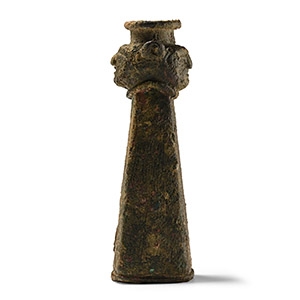
Canaanite Double-Faced Kohl Pot
1300-1200 B.C.Estimate: £1,200 - 1,700 (+bp*)
Opening Bid: £600
With tapering square-section body, bulbous finial formed as two addorsed male masks, loop handle to each lateral face, trumpet-shaped mouth; with old collector's note 'double face perfume vessel / Ugarit (Ras Sharma) / date Middle Syrian Period / 1300/1200 BC / material: bronze / height: 8.5cm / Canaanite gods in metal'. 135 grams, 82 mm
Acquired on the German art market, 1989-1995. with The Museum Gallery, 19 Bury Place, London, WC1, UK, 1998-2003. Property of a London based academic, 2003-present. Accompanied by an old handwritten identification note on Christie's headed paper. -
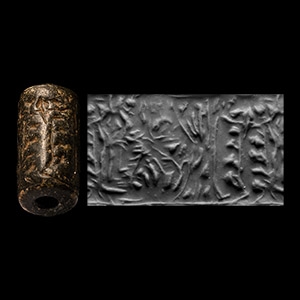
Mesopotamian Cylinder Seal with Hunting Scene
Circa 1st millennium B.C.Estimate: £250 - 350 (+bp*)
Opening Bid: £125
With intaglio hunting scene depicting dense vegetation and a huntsman; supplied with a museum-quality impression. 5.47 grams, 23 mm
From an important Mayfair collection, 1970-1999; thence by descent. Accompanied by a previous catalogue information slip.
