
Loading, please wait...
LOT 1426
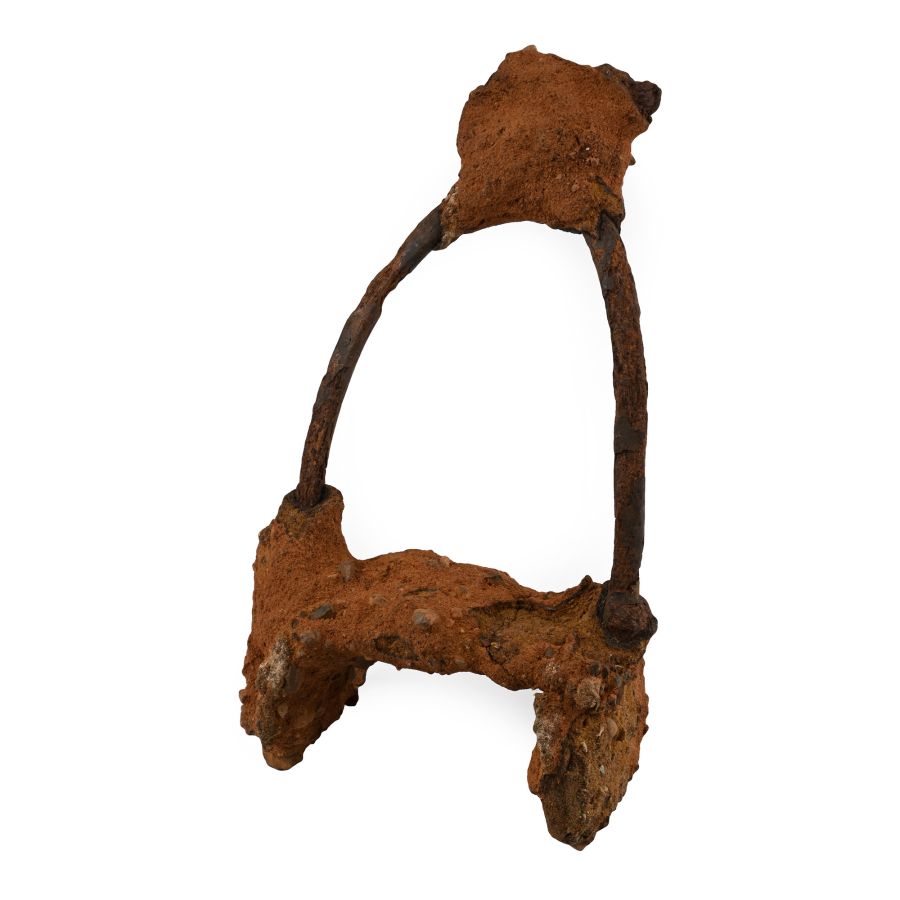
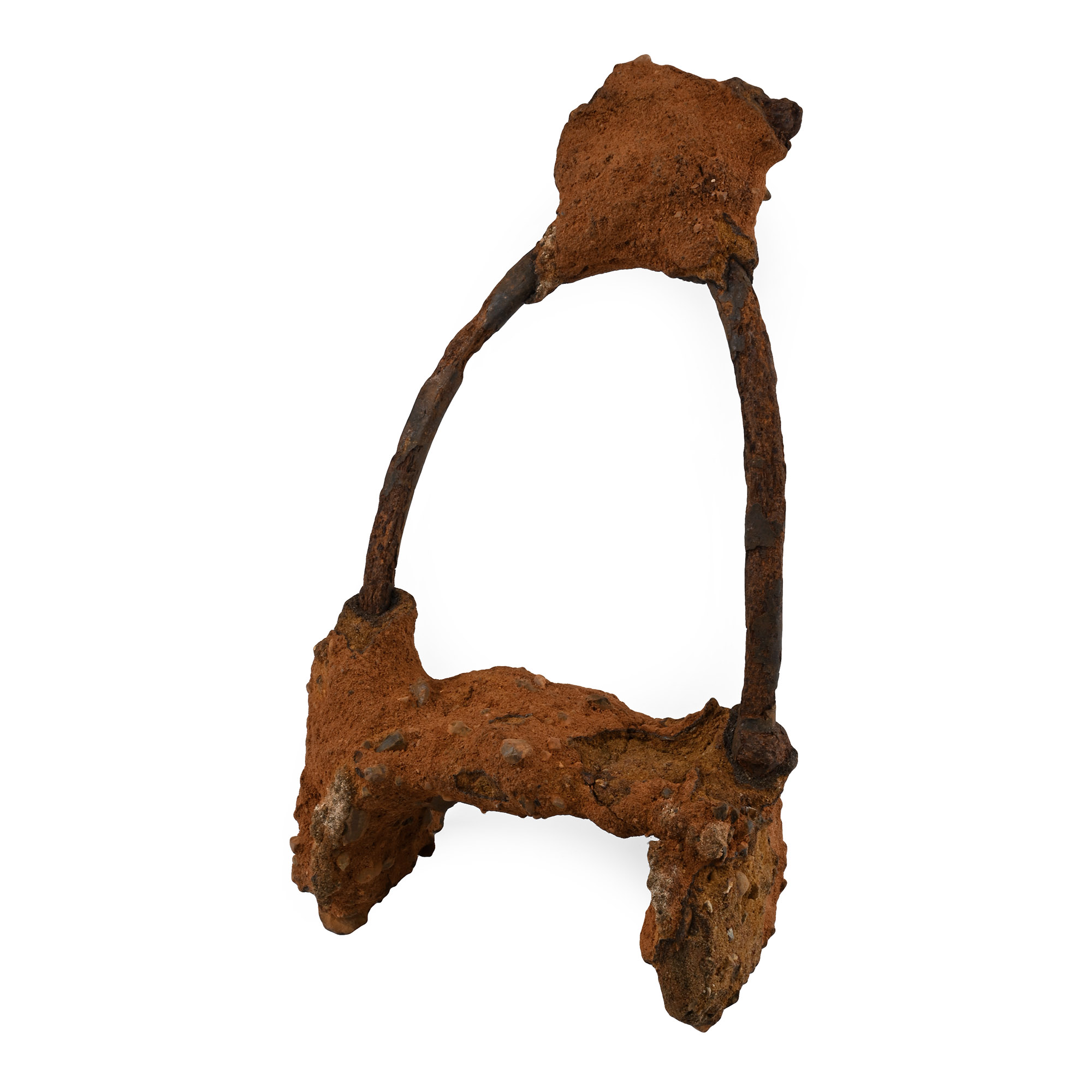
Anglo-Scandinavian Viking Iron Stirrup
CIRCA 11TH CENTURY A.D.
10 in. (948 grams, 25.5 cm high).
D-shaped stirrup with square-section frame, rectangular footplate with projections to the underside, accretion to the suspension loop at the top. [No Reserve]
ProvenanceFound whilst searching with a metal detector in Harling, Breckland, Norfolk, on Monday 5th February 2024.
Accompanied by a copy of the British Museum's Portable Antiquities Scheme (PAS) report no.NMS-396237.
Cf. Pedersen, A., Riding Gear from Late Viking Age Denmark, Journal of Danish Archaeology, vol.13 (1996-7), fig.13.
CONDITIONTimeLine Auctions follows a vetting process to ensure the authenticity and legality of all items, reinforcing our commitment to integrity and responsible trading. Each antiquity, antique, and coin lot undergoes thorough examination by a vetting committee of at least ten external specialists, professional trade association members, scientists, and archaeologists: Our Vetting Process
AUCTIONS:
TimeLine is a leading auction house specialising in antiquities, ancient art, collectables, natural history, coins, medals, and books. Our auctions offer museums, collectors, historians, and enthusiasts the opportunity to acquire unique and historically significant pieces.
-
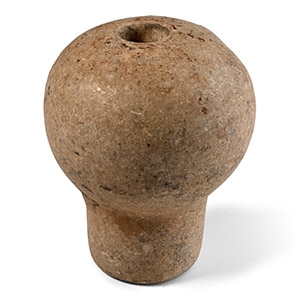
Mesopotamian Mottled Cream Stone Macehead
3rd-2nd millennium B.C.Sold for (Inc. bp): £117
With plain globular body, wide tubular shaft. 416 grams, 81 mm
Ex 1990s collection and with a central London gallery. -
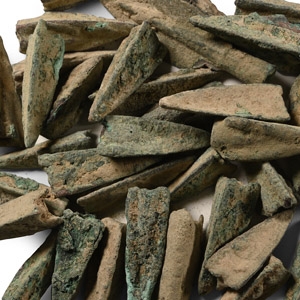
Greek Period Bronze Arrowhead Collection
Circa 5th-3rd century B.C.Sold for (Inc. bp): £117
Including triangular-section, leaf-shaped and other types. 115 grams total, 19 - 44 mm
Acquired in the 1990s. Ex Abelita family collection. This lot is accompanied by an illustrated lot declaration signed by the Head of the Antiquities Department, Dr Raffaele D'Amato. -
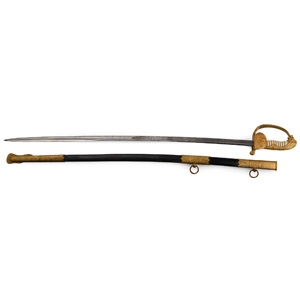
Kriegsmarine WWI German Naval Officer's Sword and Scabbard
Early 20th century A.D.Sold for (Inc. bp): £780
Comprising a slender single-edged blade with etched maritime designs; the hilt composed of a wire-bound ribbed bone handle, a lion-head pommel with inset eyes (one absent), and an ornate guard with folding edges, one side with a socket for securing the scabbard; accompanied by a leather scabbard with ornate metal fittings. 847 grams total, 93 cm
From the private collection of author and historian Dr DeWitt Bailey, one of the global authorities on the confederate army in the US civil war; thence by descent to his grandson.
