
Loading, please wait...
LOT 1647
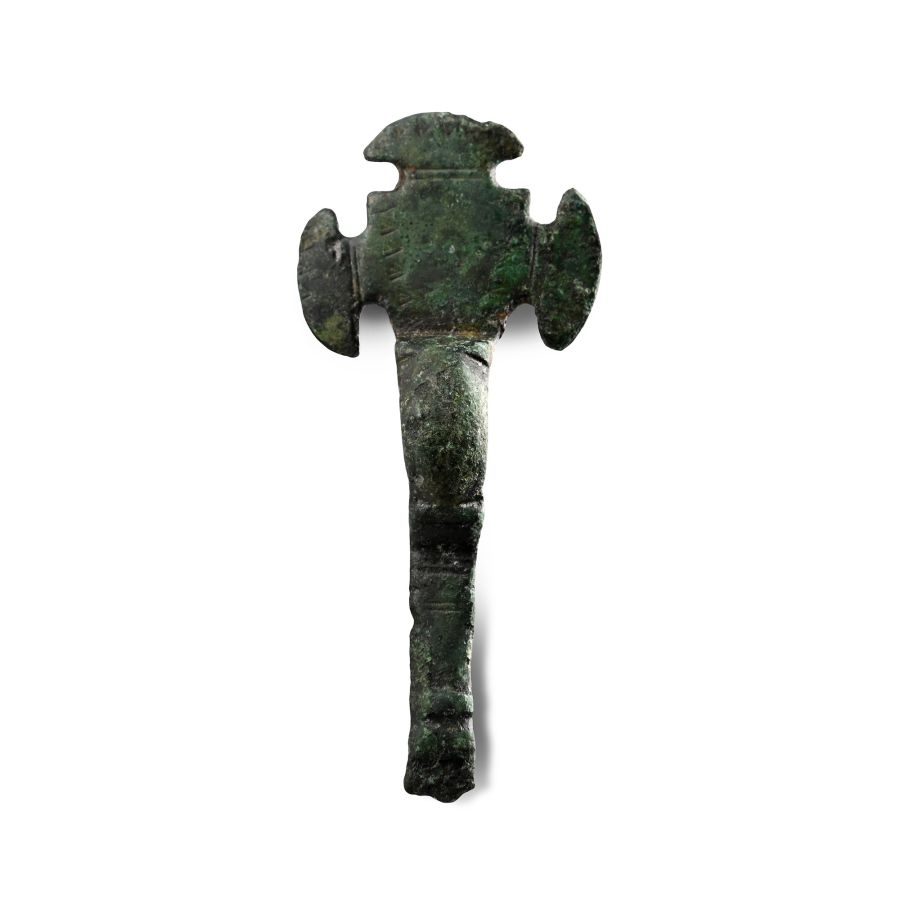
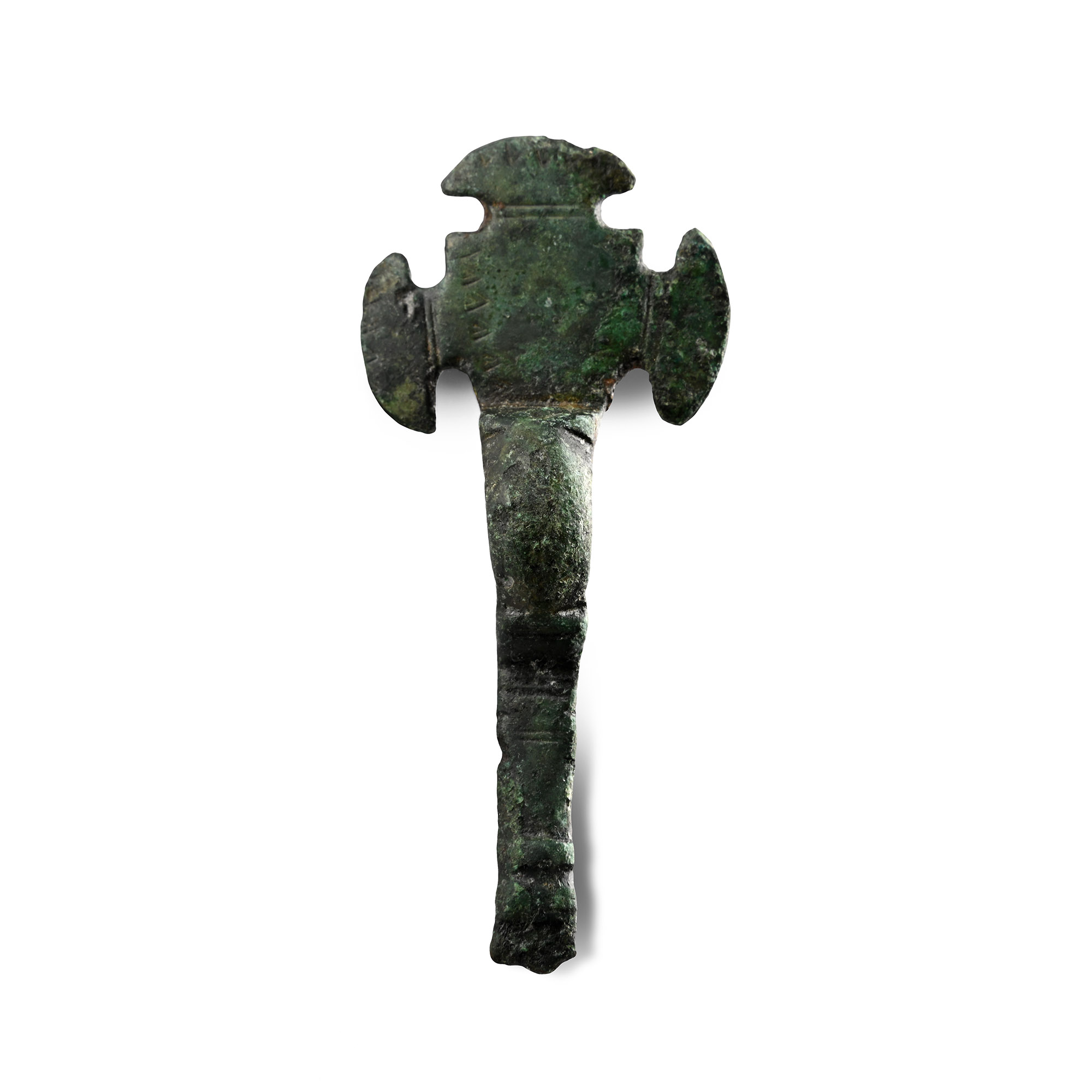
Anglo-Saxon Bronze Long Brooch
CIRCA 6TH CENTURY A.D.
2 5/8 in. (16.4 grams, 67.5 mm).
Headplate with three radiating crescent lugs. punched detailing; deep bow and narrow footplate; catch and remains of ferrous pin to reverse; repaired from parts. [No Reserve]
ProvenanceFrom the collection of a Buckinghamshire, UK, collector established from the earlier 1960s.
CONDITIONTimeLine Auctions follows a vetting process to ensure the authenticity and legality of all items, reinforcing our commitment to integrity and responsible trading. Each antiquity, antique, and coin lot undergoes thorough examination by a vetting committee of at least ten external specialists, professional trade association members, scientists, and archaeologists: Our Vetting Process
AUCTIONS:
TimeLine is a leading auction house specialising in antiquities, ancient art, collectables, natural history, coins, medals, and books. Our auctions offer museums, collectors, historians, and enthusiasts the opportunity to acquire unique and historically significant pieces.
-
Anglo-Saxon Bronze Long Brooch
Circa 6th century A.D.Sold for (Inc. bp): £46
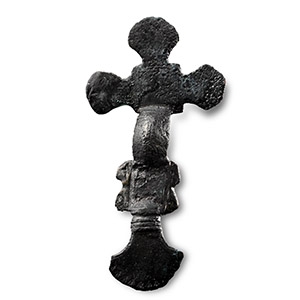
Trefoil headplate and carinated bow, footplate with lappets and transverse collar, pelta-shaped finial with punchmarks to outer edge; repaired from parts. 18.5 grams, 77 mm
From the collection of a Buckinghamshire, UK, collector established from the earlier 1960s. -
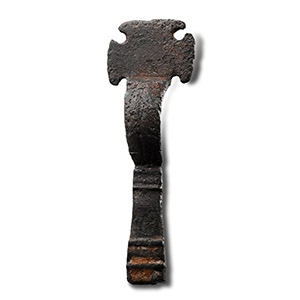
Anglo-Saxon Bronze Long Brooch
Circa 6th century A.D.Sold for (Inc. bp): £98
Broad headplate with flared arms. carinated bow and short footplate with transverse ribbing; pin-lug and part of catch to reverse; repaired from parts. 16 grams, 76 mm
From the collection of a Buckinghamshire, UK, collector established from the earlier 1960s. -
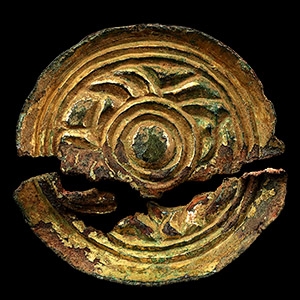
Anglo-Saxon Gilt Bronze Saucer Brooch
480-570 A.D.Sold for (Inc. bp): £111
With deep flared rim, bilinear border to the tondo, band of Style I zoomorphic ornament and central concentric rings; in two pieces with pin-lug and catch to reverse. 20 grams total, 44.8-45.5 mm
Found whilst searching with a metal detector in Long Crompton, Stratford-on-Avon, Warwickshire, UK. Accompanied by a copy of the British Museum's Portable Antiquities Scheme (PAS) report no.SUR-1CB11A.
