
.jpg "Ancient Roman Imperial Coins - Marcus Aurelius - Sacrificing AR Denarius")
LOT 2749
Ancient Roman Imperial Coins - Marcus Aurelius - Sacrificing AR Denarius 151-152 A.D.
As Caesar. Obv: AVRELIVS CAESAR ANTONINI AVG PII FIL, bare head right. Rev: TR POT VI COS II, Genius Exercitus sacrificing from patera over altar, and holding legionary eagle. Extremely fine.(2.62 grams,16 mm.). [No Reserve]
ProvenanceProperty of an Essex collector.
LiteratureSear 4790; RIC 453a[pius]; BMCRE-; RSC 647a.
TimeLine Auctions follows a vetting process to ensure the authenticity and legality of all items, reinforcing our commitment to integrity and responsible trading. Each antiquity, antique, and coin lot undergoes thorough examination by a vetting committee of at least ten external specialists, professional trade association members, scientists, and archaeologists: Our Vetting Process
AUCTIONS:
TimeLine is a leading auction house specialising in antiquities, ancient art, collectables, natural history, coins, medals, and books. Our auctions offer museums, collectors, historians, and enthusiasts the opportunity to acquire unique and historically significant pieces.
LOT 2749
Ancient Roman Imperial Coins - Marcus Aurelius - Sacrificing AR Denarius
Sold for (Inc. bp): £208
-
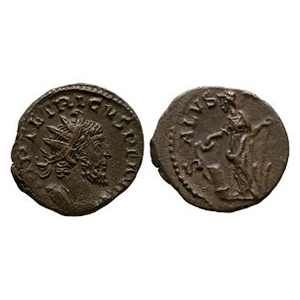
Ancient Roman Imperial Coins - Tetricus I - Salus Billon AR Antoninianus 273-274 A.D.
Sold for (Inc. bp): £20
Mint I. Obv: IMP C TETRICVS P F AVG, radiate, draped bust right. Rev: SALVS AVGG Salus standing left, feeding serpent arising from altar. 2.93 grams, 19 mm.
Near extremely fine.
Acquired on the UK market. Ian Roper collection. With coin ticket -
.jpg)
Ancient Roman Imperial Coins - Gallienus - Fortuna Billon Antoninianus 260-261 A.D.
Sold for (Inc. bp): £46
Rome mint. Obv: GALLIENVS AVG legend with radiate bust right. Rev: FORTVNA REDVX legend with Fortuna standing left holding rudder and cornucopia; Ϟ in right field. 3.75 grams.
Good very fine.
Property of a Cambridgeshire, UK, gentleman. Accompanied by a dealer ticket. -
.jpg)
Ancient Roman Imperial Coins - Salonina - Venus AE Antoninianus 256-257 A.D.
Estimate: £40 - 60 (+bp*)
Opening Bid: £20
Sole reign of Gallienus. Rome mint. Obv: SALONINA AVG, diademed and draped bust right on crescent. Rev: VENVS VICTRIX, Venus standing left, holding apple and vertical sceptre, shield at foot left. 3.02 grams, 19 mm.
Very fine.
Property of a North London, UK, gentleman.
