
Loading, please wait...
LOT 0200
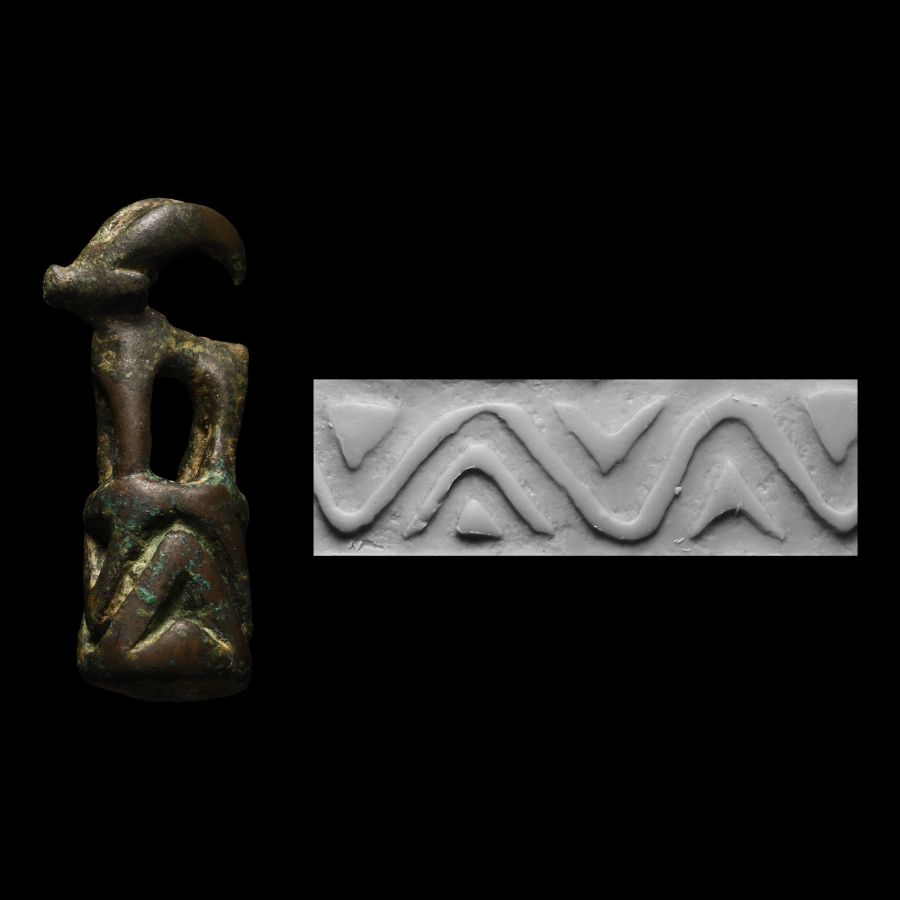
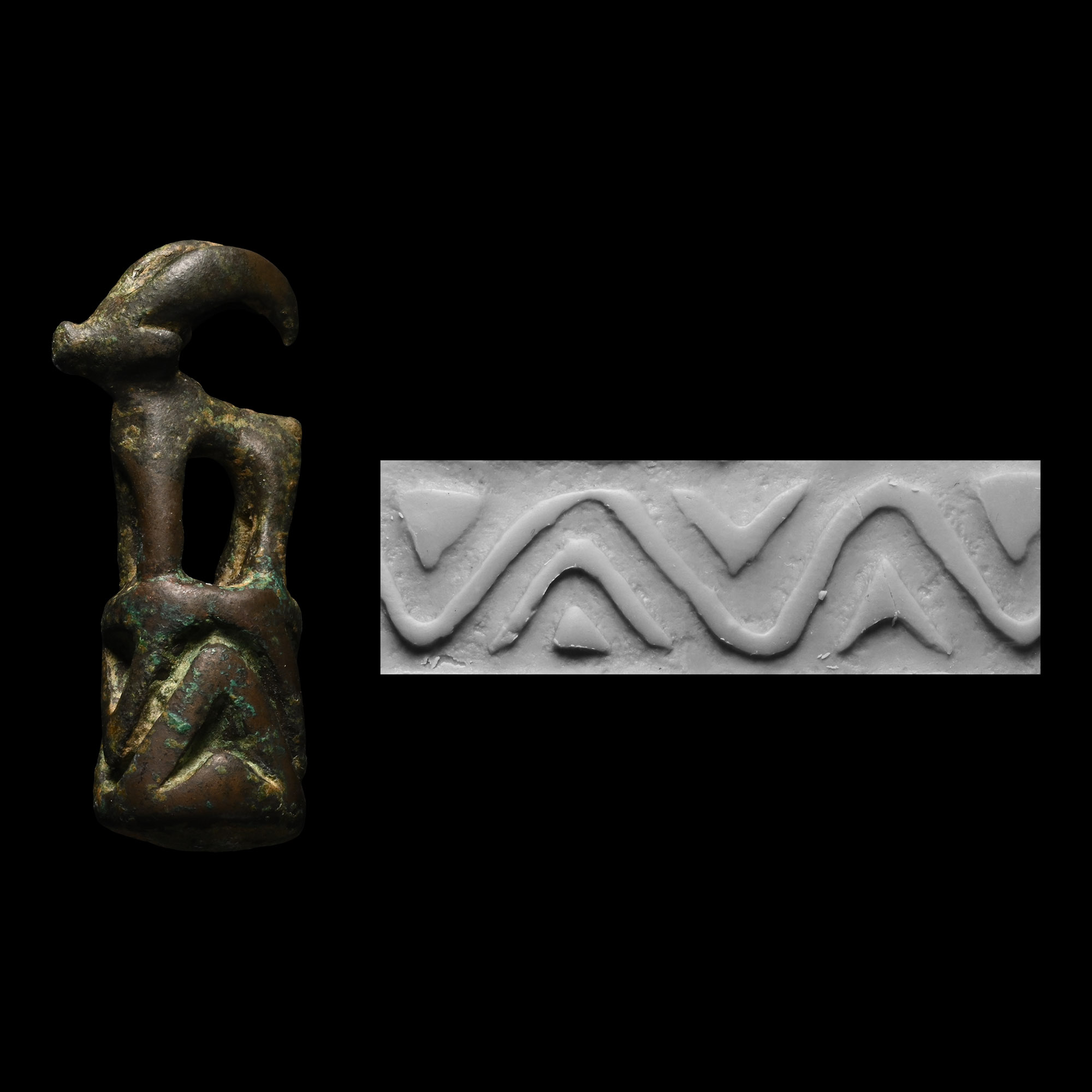
Anatolian Bronze Cylinder Seal Surmounted by Horned Animal
LATE 3RD MILLENNIUM B.C.
1 5/8 in. (25.7 grams, 41 mm).
Cylindrical body topped with a standing quadruped, likely a mouflon, accompanied by a copy of an old scholarly note, typed and signed by W.G. Lambert, late Professor of Assyriology, University of Birmingham, 1970-1993, which states: 'Cylinder Seal of Bronze, surmounted by a Horned Animal Maximum height 42mm., Diameter of seal: 15mm. The animal has big, back-curving horns, and was probably meant as a mouflon sheep. It is decorative, makes an imposing piece of a simple seal shape. The design of the seal is a wavey line creating triangular spaces, which are filed with triangles of a smaller size or arrow-heads. In one case the latter and a v-shaped extra wavey line are used. The date of these ornamented seals has been disputed. Some scholars have put them in the third millennium B.C., some in the first millennium. The seal design is well known for the latter half of the third millennium and the beginning of the second millennium B.C., and the animal gives the impression of being related to such creatures in bronze from third millennium Anatolia. Thus this is a late-third-millennium seal, and is to be placed somewhere in the area from Anatolia to Kurdistan. Its condition is fine, and the metal sculpture is well done.' [No Reserve]
ProvenanceUK private collection, acquired 1990-1993.
Accompanied by a copy of a scholarly note, typed and signed by Professor Wilfrid George Lambert in 1990.
Seals were the working signatures of the ancient Near East. Pressed or rolled into wet clay, they secured jars, bags, doors and tablets, and left a distinct impression that identified the owner, authorised a transaction, and showed whether a container had been opened. Stamp seals (pressed once to leave a single emblem) appear from the 7th–4th millennia BC and continue throughout later periods; cylinder seals (rolled to create a repeating frieze) develop in Mesopotamia in the late 4th millennium BC and are used into the 1st millennium BC. Beyond administration, seals were miniature artworks and amulets. Their images—gods and worshippers, royal hunts, banquets, heroes and mythic beasts—broadcast rank, piety and profession, and were believed to protect the owner. Materials range from soft stones to hard chalcedonies, haematite and lapis, worked with drills and abrasives to achieve crisp intaglio cutting. Many were worn on cords or rings and followed their owners through life, sometimes into the grave. Seals matter because they underpin the earliest systems of record-keeping and trade. Impressions on tablets and bullae are primary documents for ancient law, economy and religion; the seals themselves preserve that imagery in the round.
CONDITIONTimeLine Auctions follows a vetting process to ensure the authenticity and legality of all items, reinforcing our commitment to integrity and responsible trading. Each antiquity, antique, and coin lot undergoes thorough examination by a vetting committee of at least ten external specialists, professional trade association members, scientists, and archaeologists: Our Vetting Process
AUCTIONS:
TimeLine is a leading auction house specialising in antiquities, ancient art, collectables, natural history, coins, medals, and books. Our auctions offer museums, collectors, historians, and enthusiasts the opportunity to acquire unique and historically significant pieces.
LOT 0200
Anatolian Bronze Cylinder Seal Surmounted by Horned Animal
Sold for (Inc. bp): £1,105
-
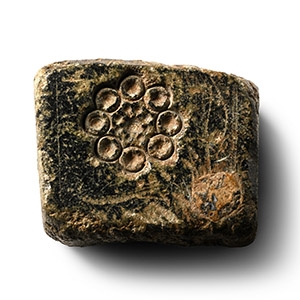
Western Asiatic Stone Jewellery Mould
Circa 10th-14th century A.D.Sold for (Inc. bp): £46
Rectangular in plan with vent and pouring channel to the reverse, incuse rosette pattern to obverse. 49 grams, 37 mm
From the collection of a Buckinghamshire, UK, collector established from the earlier 1960s.
Intended for one-piece casting for small jewellery components. -
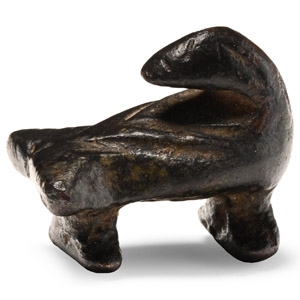
Mesopotamian Bronze Duck Weight
Late 1st millennium B.C.Sold for (Inc. bp): £85
Carved in the round with flared tail and had reversed, two T-shaped toggles to the underside. 41.9 grams, 31 mm
Acquired over 40 years ago. Private collection, London, UK. -
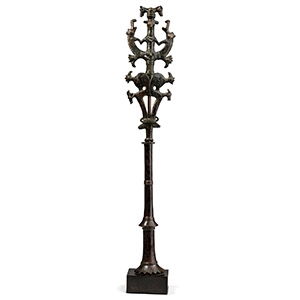
Large Luristan Bronze 'Master of Animals' Bronze Finial
8th-7th century B.C.Sold for (Inc. bp): £2,340
Formed as a Master of Animals atop a collared tubular stem with flared foot; the finial composed of two goats with heads returned and a looped band at the rump, above these two birds standing looking up towards two quadrupeds each with a bird's head on the rump; each in the grip of the Master standing crowned between them; the Master with tubular body, animal-like ears, prominent nose above a small mouth and wearing collars, neck rings and tiered headdress with addorsed bovine heads; waisted socket below and flared dentilled rim; mounted on a display stand. 916 grams total, 43 cm including stand
Acquired in Iran, 1967. Private collection, UK. Accompanied by an academic report by Dr Raffaele D'Amato. This lot has been checked against the Interpol Database of stolen works of art and is accompanied by a search certificate number no.12824-241323.
The “Master of Animals” is a long-lived Near Eastern motif showing a central figure—human, heroic or divine—grasping two confronting beasts, usually by their necks or forelegs. First seen in late 4th–3rd millennium BC Mesopotamian seals, it spread across Iran, Anatolia and the Levant and remained current into the 1st millennium BC. Its meaning is straightforward and powerful: control over the wild, the protection of order, and the sanction of royal or divine authority. The image appears on seals, plaques and weapons, and in the round on bronze fittings and finials (notably in Luristan), where it likely marked status and carried an apotropaic force. For collectors, the type is prized for its clear silhouette and economy of form, the instant legibility of a hero mastering chaos, a theme as old as the first cities and as compelling today.
