
Loading, please wait...
LOT 1239
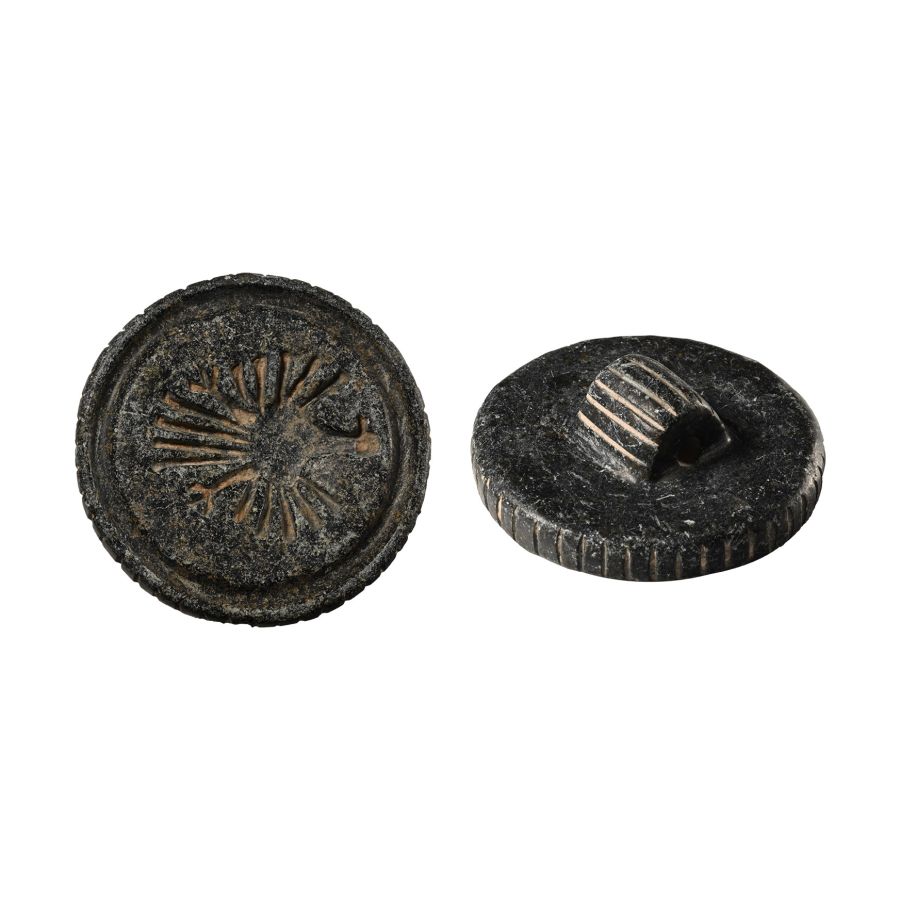
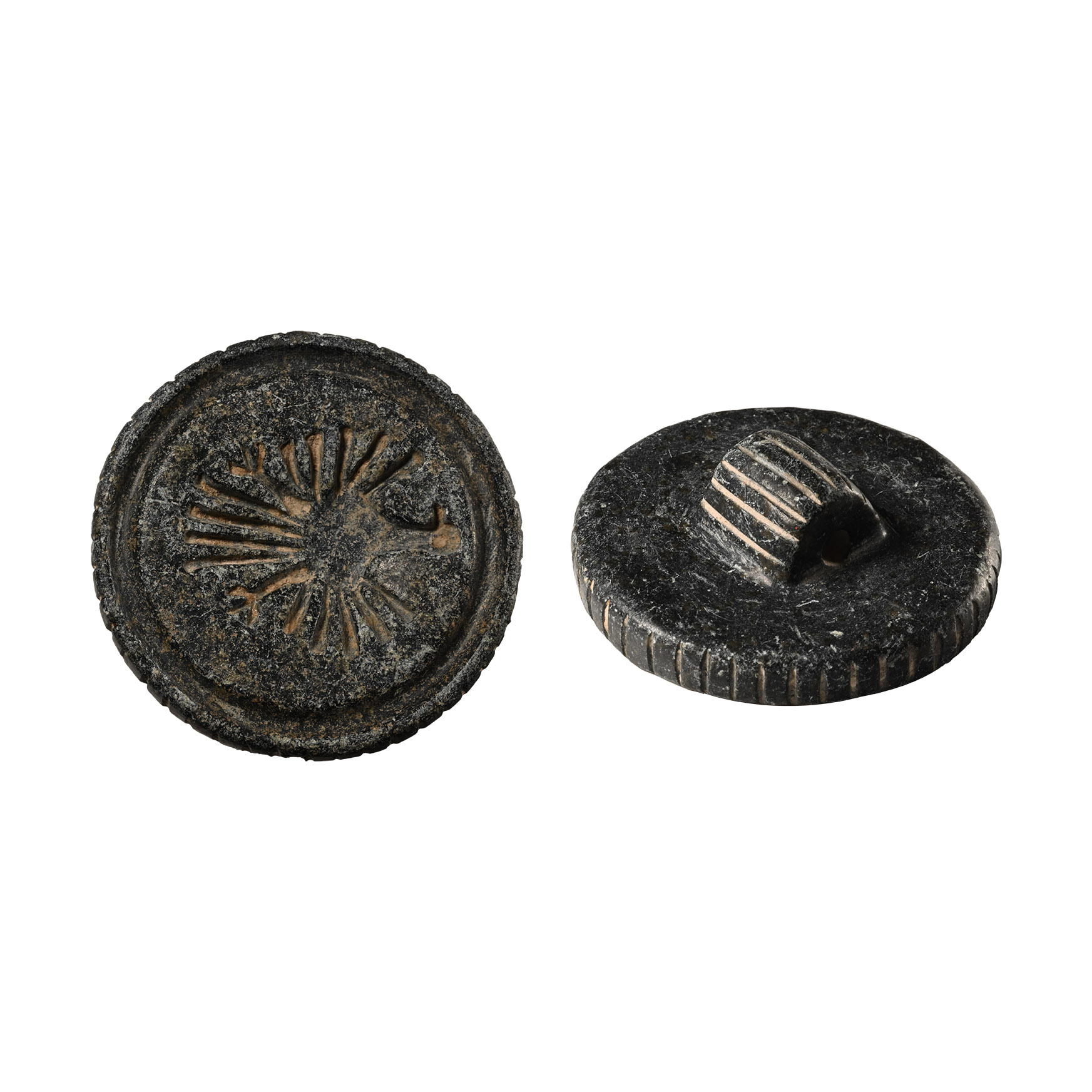
Anatolian Black Stone Stamp Seal
2ND-1ST MILLENNIUM B.C.
2 in. (42 grams, 49 mm).
Discoid in plan with hatching to the rim and the pierce lug to the reverse; deep border and intaglio motif of a spread eagle with segmented wings and tail.
ProvenanceFrom the collection of Mr S.M., London, UK, formed from 1979-1999.
This lot has been cleared against the Art Loss Register database, and is accompanied by an illustrated lot declaration signed by the Head of the Antiquities Department, Dr Raffaele D'Amato.
TimeLine Auctions follows a vetting process to ensure the authenticity and legality of all items, reinforcing our commitment to integrity and responsible trading. Each antiquity, antique, and coin lot undergoes thorough examination by a vetting committee of at least ten external specialists, professional trade association members, scientists, and archaeologists: Our Vetting Process
AUCTIONS:
TimeLine is a leading auction house specialising in antiquities, ancient art, collectables, natural history, coins, medals, and books. Our auctions offer museums, collectors, historians, and enthusiasts the opportunity to acquire unique and historically significant pieces.
-
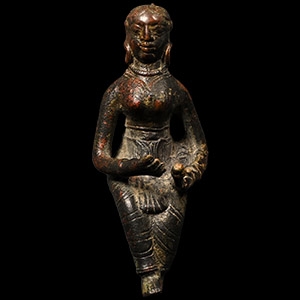
Vijayanagara Bronze Statue of a Seated Fertility Figure
14th-15th century A.D. or earlierEstimate: £1,200 - 1,700 (+bp*)
Opening Bid: £600
Modelled in the round in tight-fitting robe gathered at the waist; the hair piled at the back of the head, with large earrings and collar, holding a ladle in the left hand; socket to underside and top of head. 124 grams, 93 mm
Acquired before 1983. Ex London gallery, 1990s. This lot has been cleared against the Art Loss Register database, and is accompanied by an illustrated lot declaration signed by the Head of the Antiquities Department, Dr Raffaele D'Amato. -
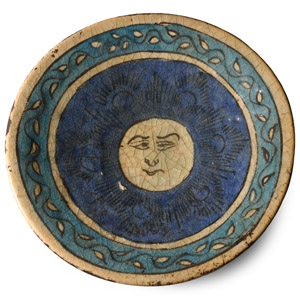
Qajar Glazed Dish with Face
1796-1925 A.D.Sold for (Inc. bp): £260
Cream-glazed with low basal ring, obverse with cerulean ring enclosing a running tendril with reserved leaves, inner dark blue panel with radiating starburst, centre a reserved disc with human mask. 619 grams, 22.5 cm
Acquired from old English collections via the UK art market since the mid 1970s. From the private collection of Peran Dachinger, thence by descent. From the family collection of a Maida Vale lady, UK. This lot has been cleared against the Art Loss Register database, and is accompanied by an illustrated lot declaration signed by the Head of the Antiquities Department, Dr Raffaele D'Amato. -
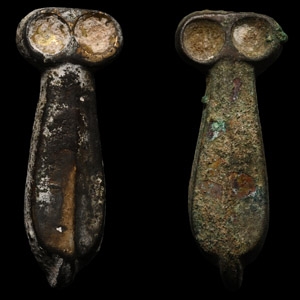
Western Asiatic Silver Phallic Mount Pair
1st millennium B.C.Estimate: £150 - 200 (+bp*)
Opening Bid: £75
Each with leaf-shaped shank and two recessed discs, studs to the reverse. 11.91 grams total, 31 mm each
Acquired before 1983. Ex London gallery, 1990s. This lot has been cleared against the Art Loss Register database, and is accompanied by an illustrated lot declaration signed by the Head of the Antiquities Department, Dr Raffaele D'Amato.
