
Loading, please wait...
LOT 0219
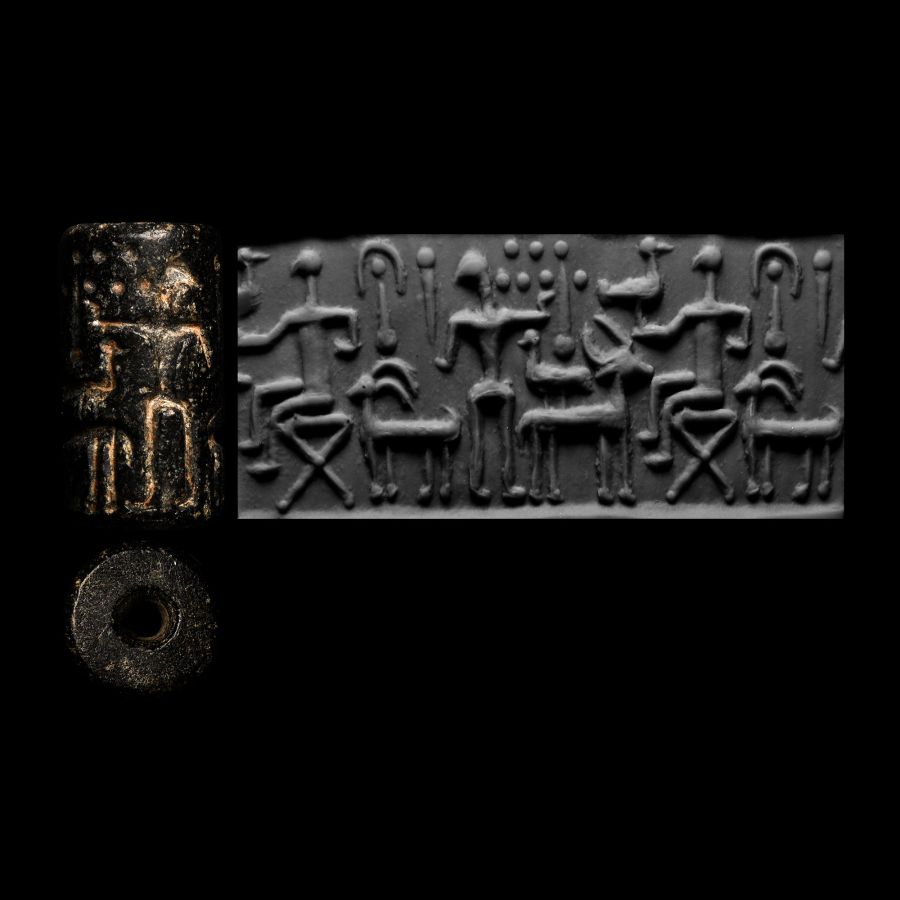
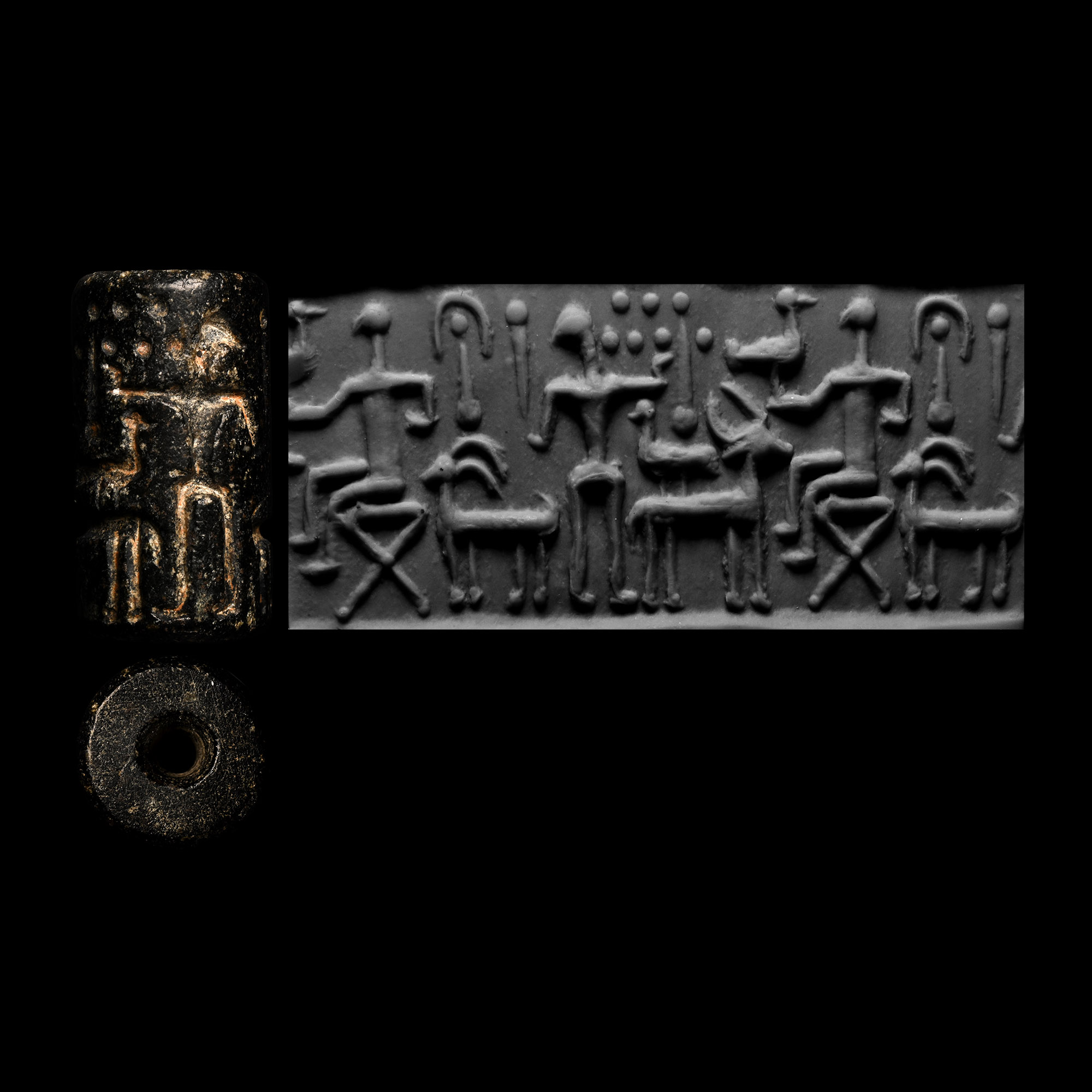
Anatolian Black Stone Cylinder Seal with Seated Deity
CIRCA 1200-1000 B.C.
1 1/8 in. (14.7 grams, 28 mm).
Cylinder with cord and bead handles; accompanied by a copy of an old scholarly note, typed and signed by W.G. Lambert, late Professor of Assyriology, University of Birmingham, 1970-1993, which states: 'Cylinder seal of soft black stone, 29 x 16 mm. Condition fine. Seated deity with bird on wrist, facing horned quadruped with bird on hind quarters, standing human figure behind horned quadruped; fillers: seven dots, two swords(?), unidentified item. From North Syria or Anatolia, c. 1200-1000 B.C. The god holding the bird is probably the storm god, Teshub, though he could be known at this period by another name.'; supplied with a museum-quality impression. [No Reserve]
ProvenanceUK private collection, acquired 1980-1983.
Accompanied by a copy of a scholarly note, typed and signed by Professor Wilfrid George Lambert in January 1989.
This lot has been cleared against the Art Loss Register database, and is accompanied by an illustrated lot declaration signed by the Head of the Antiquities Department, Dr Raffaele D'Amato.
TimeLine Auctions follows a vetting process to ensure the authenticity and legality of all items, reinforcing our commitment to integrity and responsible trading. Each antiquity, antique, and coin lot undergoes thorough examination by a vetting committee of at least ten external specialists, professional trade association members, scientists, and archaeologists: Our Vetting Process
AUCTIONS:
TimeLine is a leading auction house specialising in antiquities, ancient art, collectables, natural history, coins, medals, and books. Our auctions offer museums, collectors, historians, and enthusiasts the opportunity to acquire unique and historically significant pieces.
-
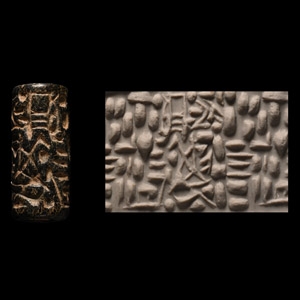
Syrian Steatite Cylinder Seal
3000 B.C.Sold for (Inc. bp): £105
With enigmatic segmented design of foliage and other motifs; supplied with a museum-quality impression. 11.9 grams, 33.7 mm
Acquired in 1992. Private collection, Switzerland, thence by descent. Private collection, since the late 1990s. This lot has been cleared against the Art Loss Register database, and is accompanied by an illustrated lot declaration signed by the Head of the Antiquities Department, Dr Raffaele D'Amato. -
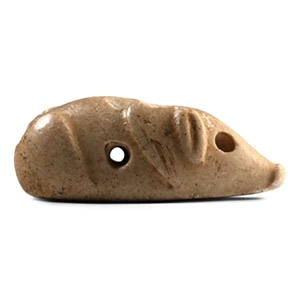
Sumerian Buff Stone Boar-Shaped Amulet Seal
Uruk / Jemdet Nasr Period, circa 3500-2900 B.C.Sold for (Inc. bp): £468
Modelled in the round with incuse running animals to the underside, sockets to the eyes and lateral piercing. 23.7 grams, 48 mm
From the 'S' collection, acquired 1970-1990s. Accompanied by a description by Peter Gert Van der Veen, senior lecturer of Levantine Archaeology, Johannes Gutenberg-Universität, Mainz. This lot has been cleared against the Art Loss Register database, and is accompanied by an illustrated lot declaration signed by the Head of the Antiquities Department, Dr Raffaele D'Amato. -
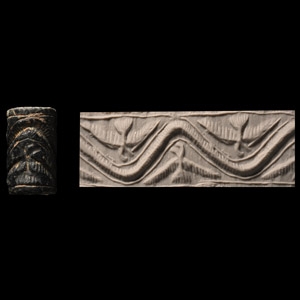
Anatolian Dark Stone Cylinder Seal with Birds
Circa 2200-2000 B.C.Sold for (Inc. bp): £338
Cylinder with cord and bead handles; accompanied by a copy of an old scholarly note, typed and signed by W.G. Lambert, late Professor of Assyriology, University of Birmingham, 1970-1993, which states: Cylinder Seal of soft black/dark green stone, 27 x 16.5 mm., condition almost fine. Wavey band consisting of notched band between two lines, the vacant spaces filled with birds with wings and tail feathers spread. From Syria or southern Anatolia, c. 2200-2000 B.C.'; supplied with a museum-quality impression. 15.2 grams, 27 mm
UK private collection, acquired 1980-1983. Accompanied by a copy of a scholarly note, typed and signed by Professor Wilfrid George Lambert in November 1988. This lot has been cleared against the Art Loss Register database, and is accompanied by an illustrated lot declaration signed by the Head of the Antiquities Department, Dr Raffaele D'Amato.
