
Loading, please wait...
LOT 1331
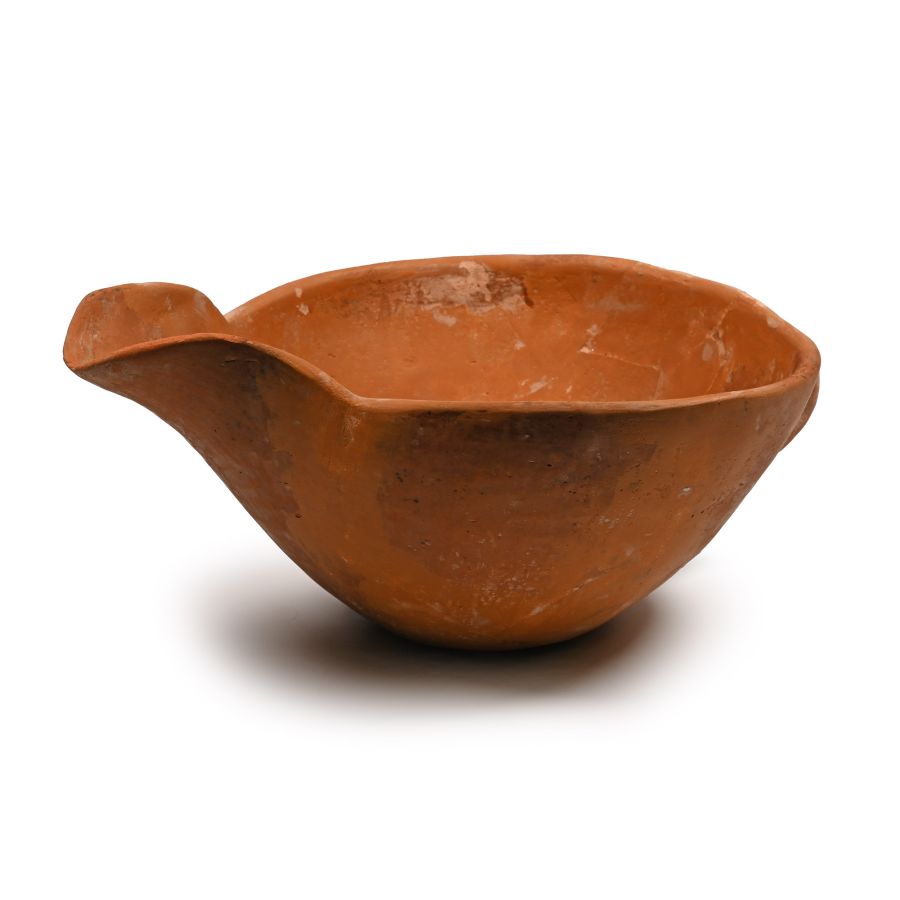
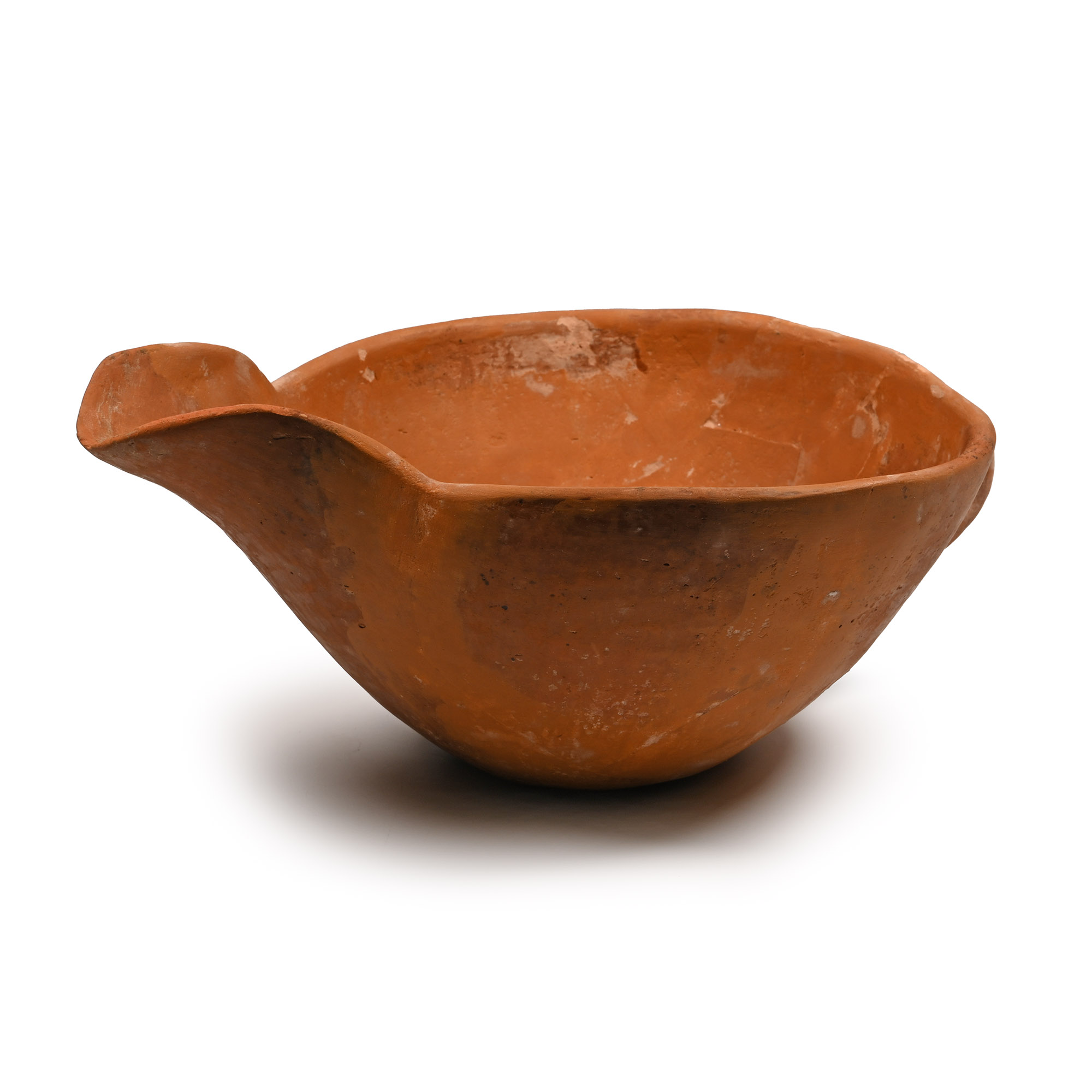
Amlash Terracotta Vessel with Wide Spout
1ST MILLENNIUM B.C. OR LATER
10 1/2 in. (700 grams, 26.6 cm).
With a conical body and flat base, wide U-shaped spout and loop handle to the rear. [No Reserve]
ProvenanceFrom a Mayfair gallery 1990s.
Ex London, UK, collection.
This lot has been cleared against the Art Loss Register database, and is accompanied by an illustrated lot declaration signed by the Head of the Antiquities Department, Dr Raffaele D'Amato.
TimeLine Auctions follows a vetting process to ensure the authenticity and legality of all items, reinforcing our commitment to integrity and responsible trading. Each antiquity, antique, and coin lot undergoes thorough examination by a vetting committee of at least ten external specialists, professional trade association members, scientists, and archaeologists: Our Vetting Process
AUCTIONS:
TimeLine is a leading auction house specialising in antiquities, ancient art, collectables, natural history, coins, medals, and books. Our auctions offer museums, collectors, historians, and enthusiasts the opportunity to acquire unique and historically significant pieces.
-
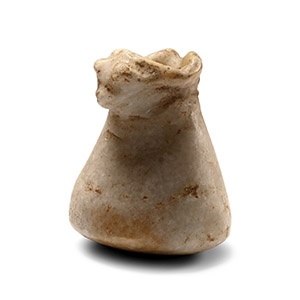
Sumerian Zoomorphic Alabaster Vessel
3rd millennium B.C.Sold for (Inc. bp): £91
conical in profile with rounded underside, neck formed as an animal-head with pouring lip to reverse. 122 grams, 57 mm
Ex N. Forbes collection, UK. Accompanied by a Coincraft certificate of authenticity. This lot has been cleared against the Art Loss Register database, and is accompanied by an illustrated lot declaration signed by the Head of the Antiquities Department, Dr Raffaele D'Amato. -
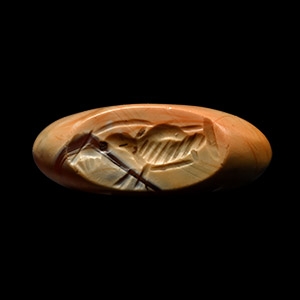
Sasanian Brown Agate Ring
3rd-4th century A.D.Sold for (Inc. bp): £442
With scaphoid plaque, intaglio standing profile figure in a draped robe. 4.90 grams, 26.53 mm overall, 15.11 mm internal diameter (approximate size British I, USA 4 1/4, Europe 7.44, Japan 7)
Mr S.A. collection, Switzerland, acquired in the 1980s. Thence by descent, private collection, since 1998. This lot has been cleared against the Art Loss Register database, and is accompanied by an illustrated lot declaration signed by the Head of the Antiquities Department, Dr Raffaele D'Amato. -
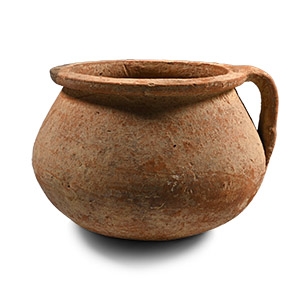
Western Asiatic Terracotta Bowl with Handle
1st millennium B.C.Estimate: £100 - 140 (‡+bp*)
Opening Bid: £50
Bulbous body with rounded base, flattened rim with a small strap handle to the side. 320 grams, 13.3 cm wide
with Galerie Rhéa, Zurich, Switzerland. This lot has been cleared against the Art Loss Register database, and is accompanied by an illustrated lot declaration signed by the Head of the Antiquities Department, Dr Raffaele D'Amato.
