
Loading, please wait...
LOT 2335
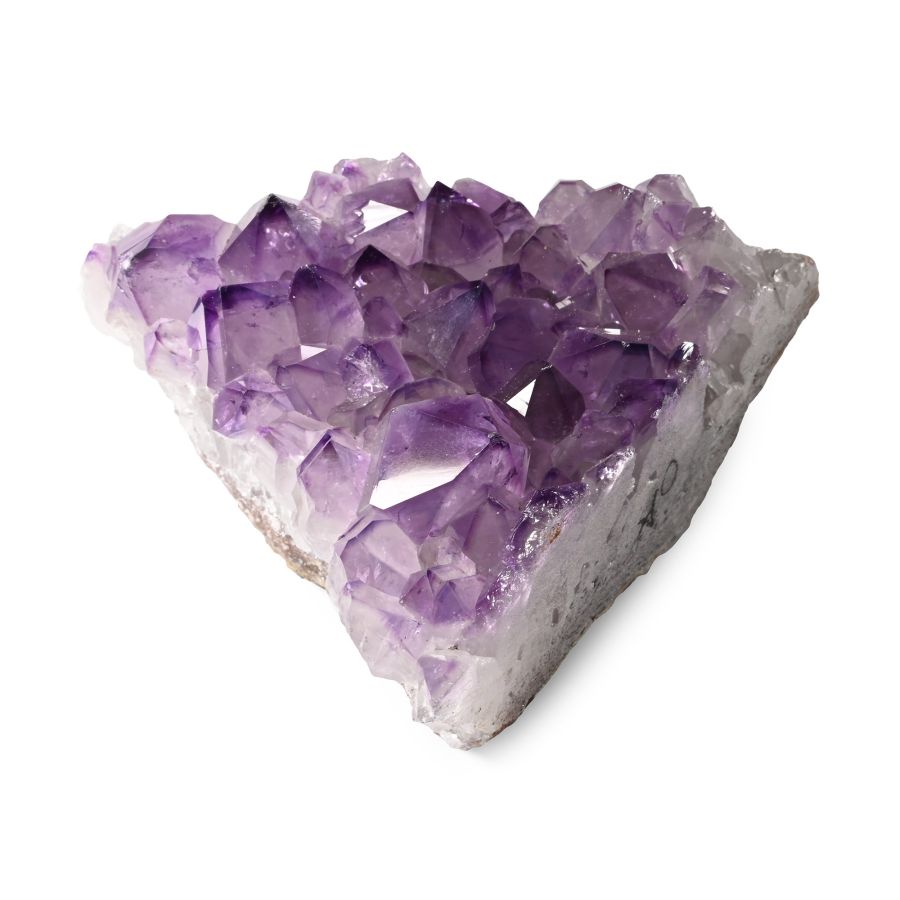
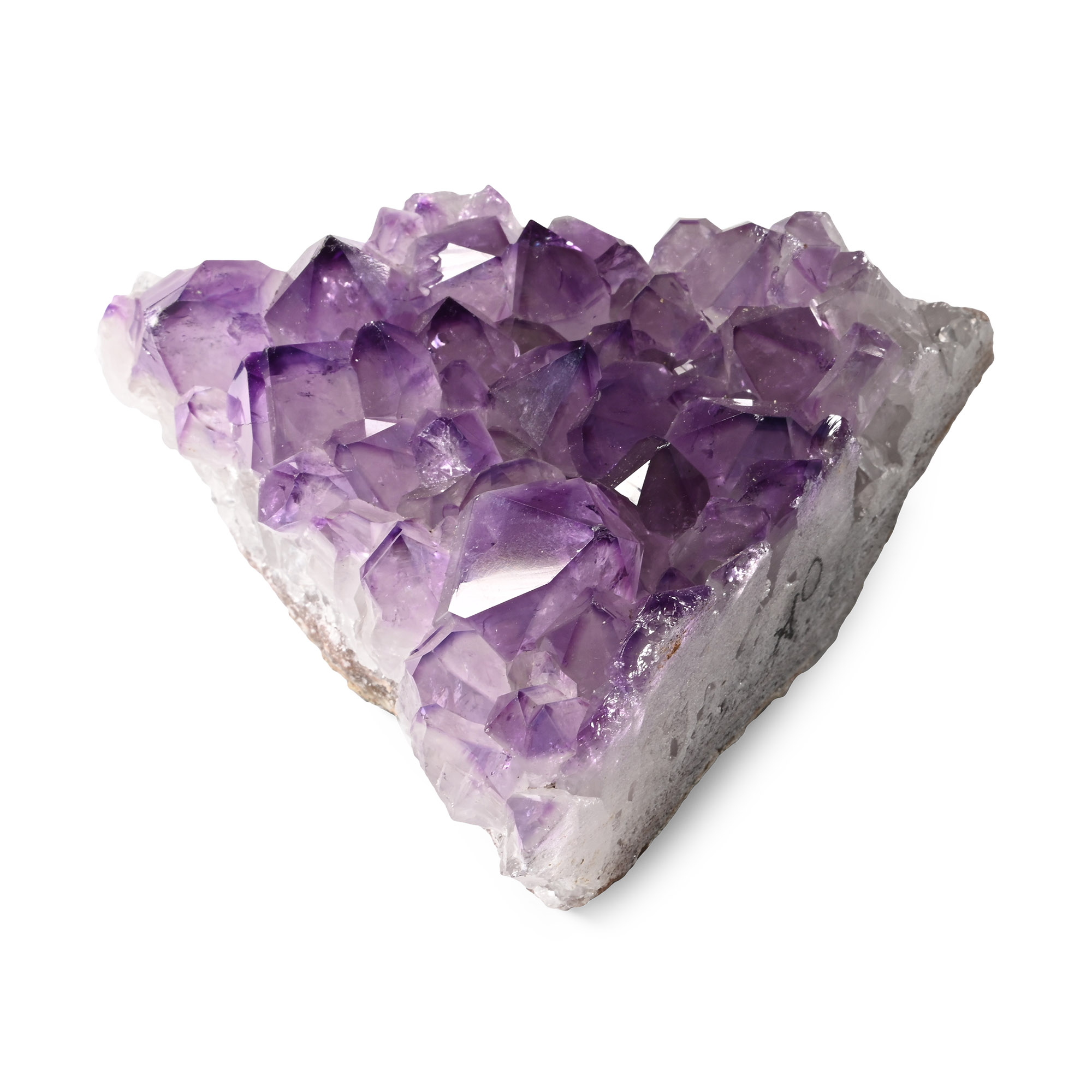
Amethyst Crystal Mineral Specimen
4 3/8 in. (543 grams, 11.2 cm).
A triangular section with deep-coloured prismatic crystals. [No Reserve]
ProvenanceFrom Brazil.
From a Lincolnshire, UK, collection.
TimeLine Auctions follows a vetting process to ensure the authenticity and legality of all items, reinforcing our commitment to integrity and responsible trading. Each antiquity, antique, and coin lot undergoes thorough examination by a vetting committee of at least ten external specialists, professional trade association members, scientists, and archaeologists: Our Vetting Process
AUCTIONS:
TimeLine is a leading auction house specialising in antiquities, ancient art, collectables, natural history, coins, medals, and books. Our auctions offer museums, collectors, historians, and enthusiasts the opportunity to acquire unique and historically significant pieces.
-
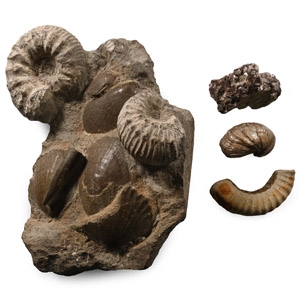
Fossil and Mineral Collection
Jurassic Period, circa 184.2-174.7 million years B.P.Sold for (Inc. bp): £85
Comprising: a reconstructed assemblage matrix with Liparoceras ammonites, bivalves, and a belemnite; an ammonite partial; a gryphaea fossil; and a matrix with mica and aventurine. 4.16 kg total, 5.9-25 cm
Acquired from older English collections via the UK art market since the mid 1970s. From the private collection of Peran Dachinger, thence by descent. From the family collection of a Maida Vale lady, UK. -
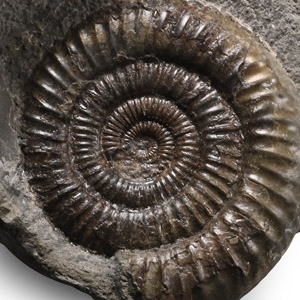
Whitby Dactylioceras Fossil Ammonite
Jurassic Period, Toarcian Stage, circa 180 million years B.P.Sold for (Inc. bp): £26
Rounded pebble half containing a Dactylioceras commune specimen. 308 grams, 80 mm
From Yorkshire coast. From a Lincolnshire, UK, collection. -
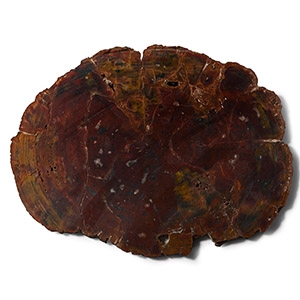
Very Large Cut and Polished Agatized Fossil Tree Trunk Slice
Triassic Period, 251-199 million years B.P.Sold for (Inc. bp): £52
Showing bark detail on the edges, the cut faces showing attractive agatized patterns. 1.54 kg, 30.7 cm
From Madagascar. Ex Mineral Imports, London, UK. Gregory, Bottley & Lloyd (Gregory's), Harwich, UK.
