
LOT 3304
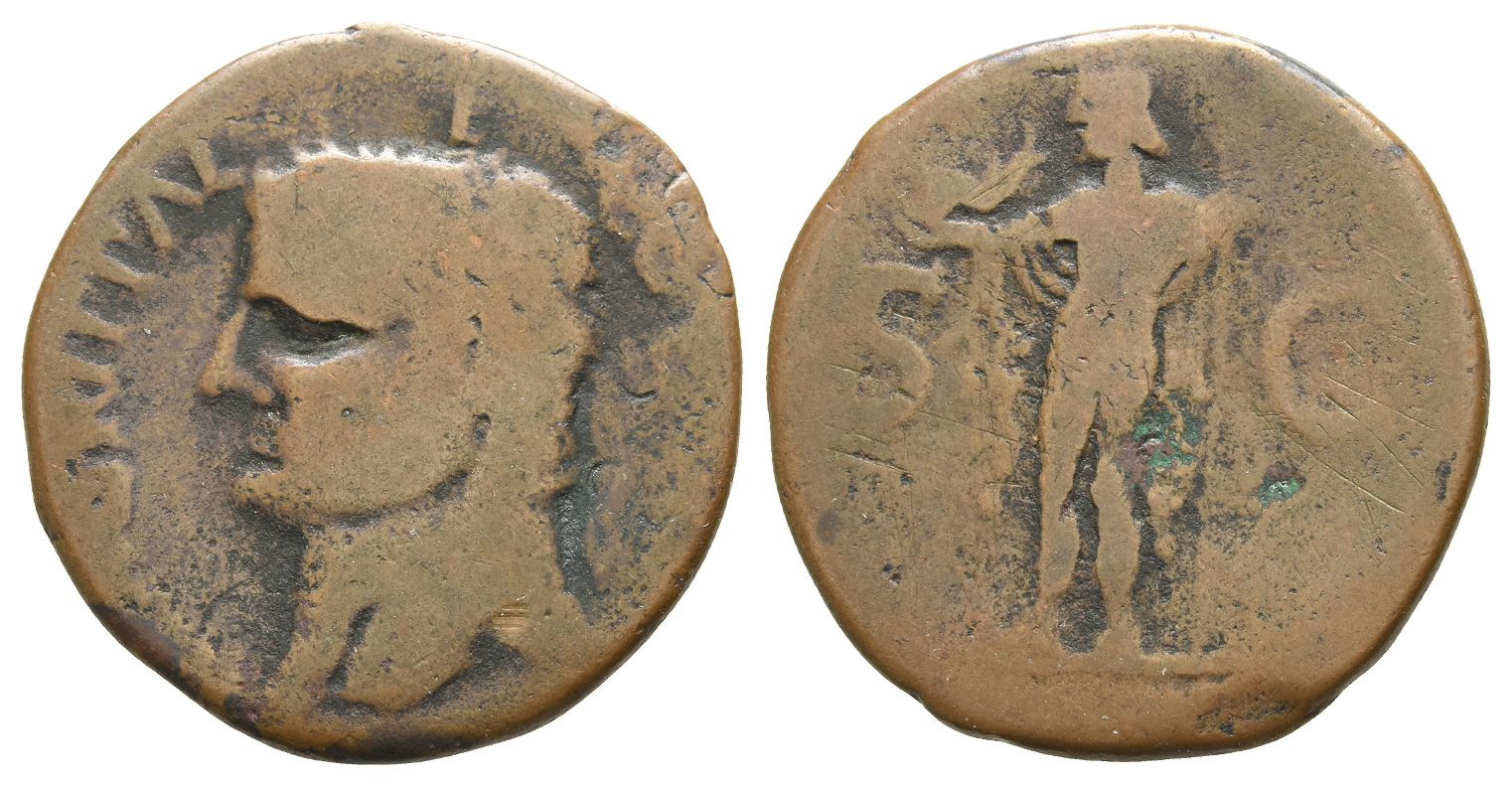
Agrippa AE As. AD 37-41. Uncertain mint. Contemporary imitation.
Head to left, wearing rostral crown / Neptune standing to left, holding small dolphin and trident; S C across fields. For prototype: RIC I 58 (Gaius); Cohen 3; BMCRE 161 (Tiberius). Good Fine.(6.72gr, 25mm, 5h.).
ProvenanceProperty of a Cambridgeshire, gentleman.
TimeLine Auctions follows a vetting process to ensure the authenticity and legality of all items, reinforcing our commitment to integrity and responsible trading. Each antiquity, antique, and coin lot undergoes thorough examination by a vetting committee of at least ten external specialists, professional trade association members, scientists, and archaeologists: Our Vetting Process
AUCTIONS:
TimeLine is a leading auction house specialising in antiquities, ancient art, collectables, natural history, coins, medals, and books. Our auctions offer museums, collectors, historians, and enthusiasts the opportunity to acquire unique and historically significant pieces.
-
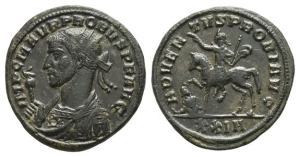
Probus BI Antoninianus. AD 276-282. Siscia mint.
Sold for (Inc. bp): £59
IMP C M AVR PROBVS P F AVG, radiate bust to left, wearing imperial mantle and holding eagle-tipped sceptre / ADVENTVS PROBI AVG, Emperor on horseback, riding to left, holding sceptre and raising right hand, captive before the horse; XXIA in exergue. RIC V.2 632. 4.00gr, 22mm, 12h.
Very Fine.
Acquired 1970s-1996. Property of a North American collector. London collection, 2016. -
![Group of Five [5] Roman Imperial BI Coins.](https://timelineauctions.com/upload/images/items/small/244014-s.jpg)
Group of Five [5] Roman Imperial BI Coins. 3rd-4th century AD.
Sold for (Inc. bp): £26
Various emperors. 18.21gr total.
Condition as seen.
Acquired 1970s-1996. Property of a North American collector. London collection, 2016. -
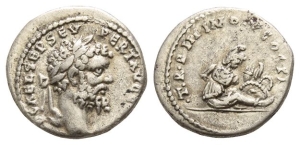
Septimius Severus AR Denarius. AD 194-195. Emesa mint.
Sold for (Inc. bp): £78
[IM]P CAE L SEP SEV PERT AVG C[OS II], laureate head to right / • T • R • P • III • IMP • V • COS • II, captive seated to right with hands bound behind back; pile of arms in background to right. RIC IV 433; BMCRE 406; RSC 659. 3.37gr, 18mm, 6h.
Good Very Fine.
Acquired 1970s-1996. Property of a North American collector. London collection, 2016.
