
Loading, please wait...
LOT 2379
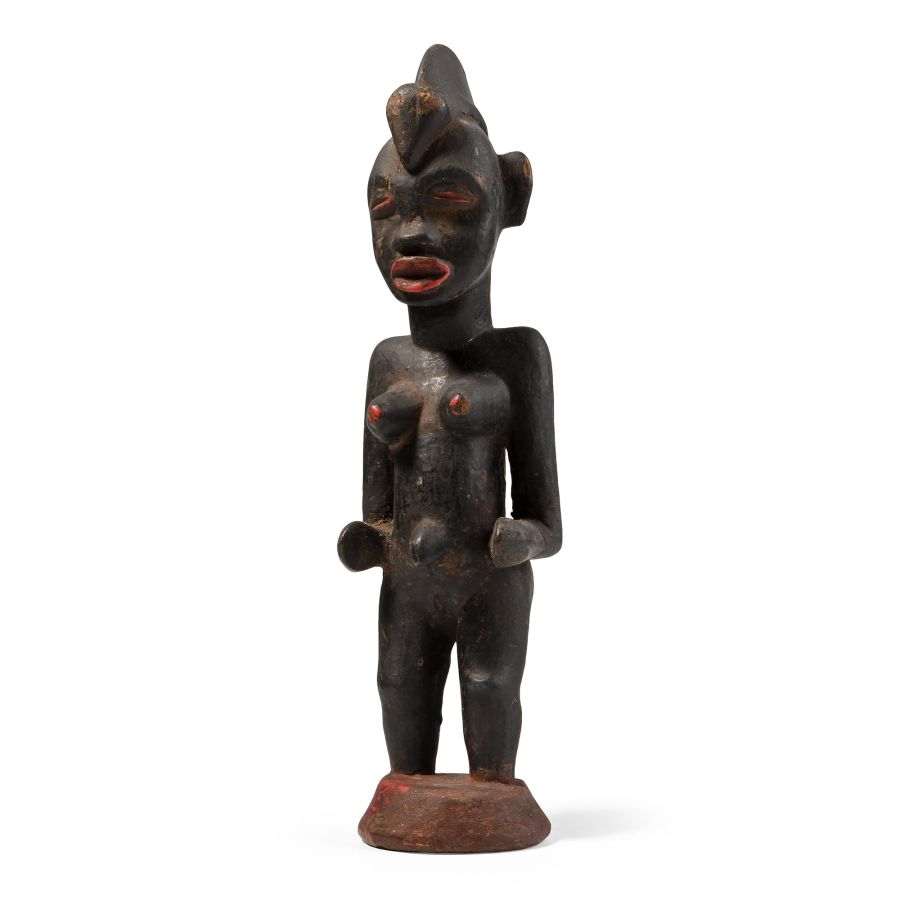
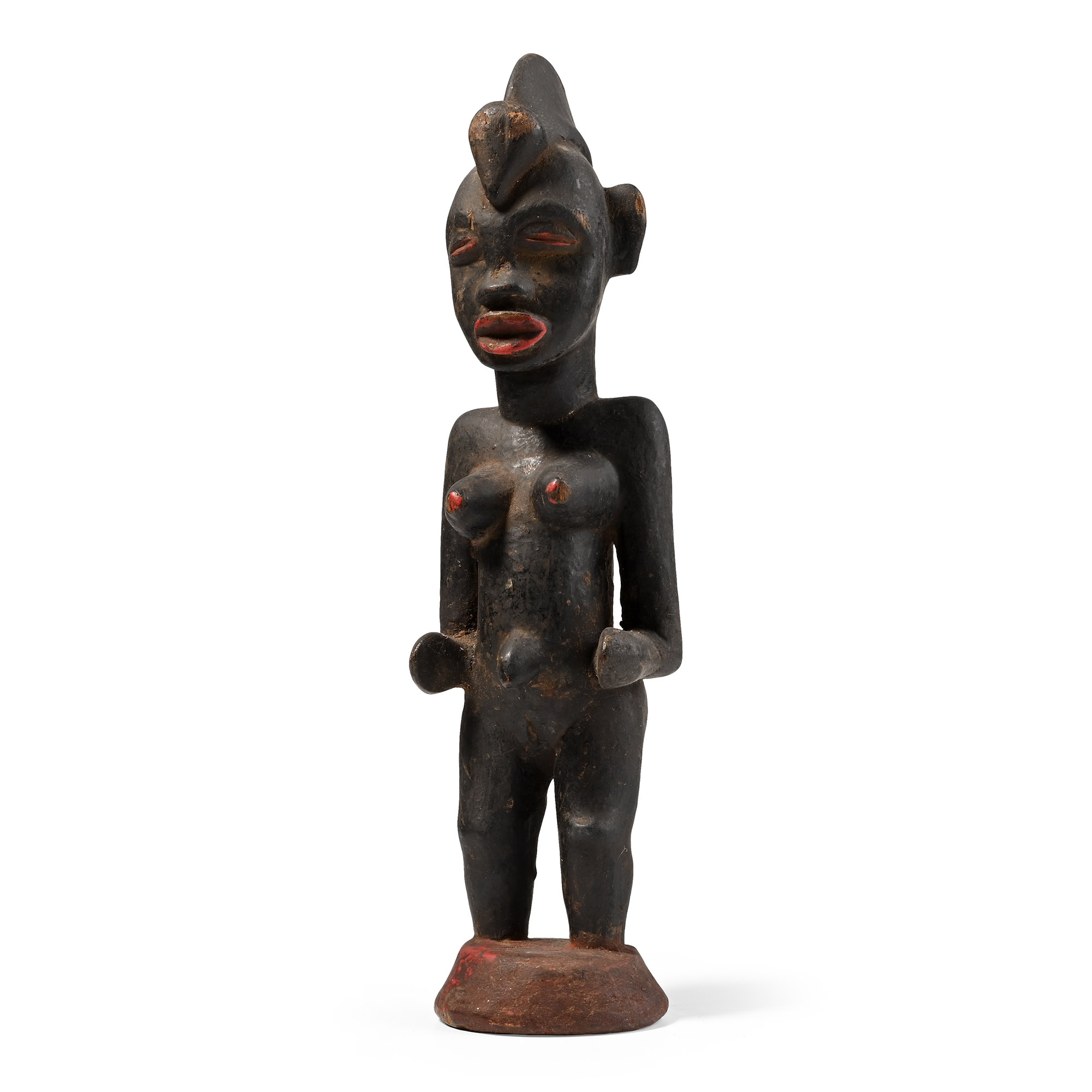
African Wooden Tugubele Figure
SENUFO TRIBE, 20TH CENTURY A.D.
8 7/8 in. (131 grams, 22.6 cm).
Carved in the round standing nude female on a socle base, with crested hairstyle and red painted detailing. [No Reserve]
ProvenanceFrom Côte d'Ivoire, West Africa.
From an old Shrewsbury, UK, ethnographic collection.
From the property of a late Lincolnshire, UK, gentleman.
Such relatively small figures are employed by the soothsayers of the Senufo people as ‘helpers’ during their oracles and prophecies.
CONDITIONTimeLine Auctions follows a vetting process to ensure the authenticity and legality of all items, reinforcing our commitment to integrity and responsible trading. Each antiquity, antique, and coin lot undergoes thorough examination by a vetting committee of at least ten external specialists, professional trade association members, scientists, and archaeologists: Our Vetting Process
AUCTIONS:
TimeLine is a leading auction house specialising in antiquities, ancient art, collectables, natural history, coins, medals, and books. Our auctions offer museums, collectors, historians, and enthusiasts the opportunity to acquire unique and historically significant pieces.
-
African Wooden Ceremonial Face Mask
Ashanti Tribe, 20th century A.D.Sold for (Inc. bp): £26
A carved tribal mask with copper to the face and back of the head, a single horn to the top of the head and stylised legs. 484 grams, 47.5 cm
From Ghana, West Africa. From an old Surrey, UK, oriental and ethnographical collection; acquired during 1950s. From the property of a late Lincolnshire, UK, gentleman. -
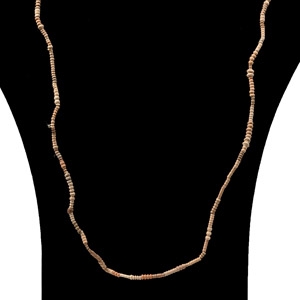
African Terracotta Bead Necklace
12th century A.D. or laterSold for (Inc. bp): £7
Mainly spherical, tubular and biconvex types. 8.77 grams, 94 cm long
Acquired on the London art market, 1990s. From the collection of the late Dr D.G., Surrey, UK. -
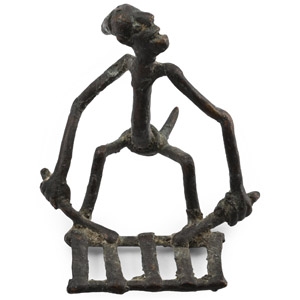
West African Bronze Figure of a Musician
19th-20th century A.D.Sold for (Inc. bp): £13
Figure of a musician playing a type of xylophone with a beater in each hand. 89 grams, 93 mm
From an old Oxford, UK, collection. From the property of a late Lincolnshire, UK, gentleman.
