
Loading, please wait...
LOT 2357
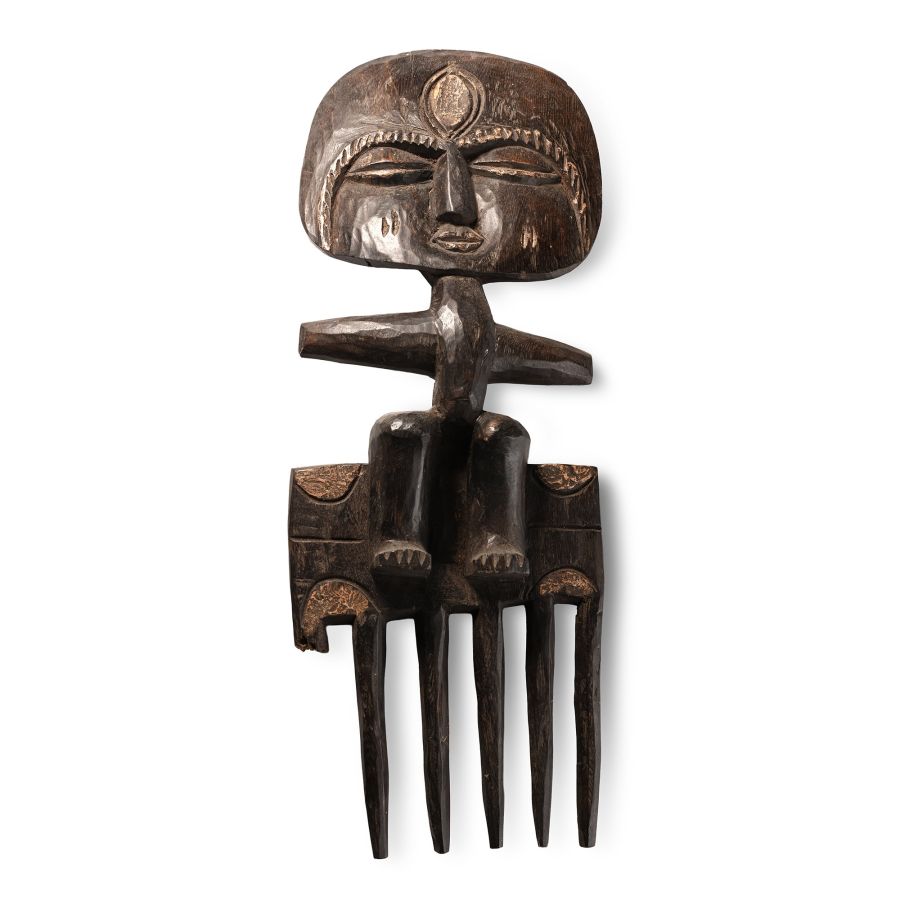
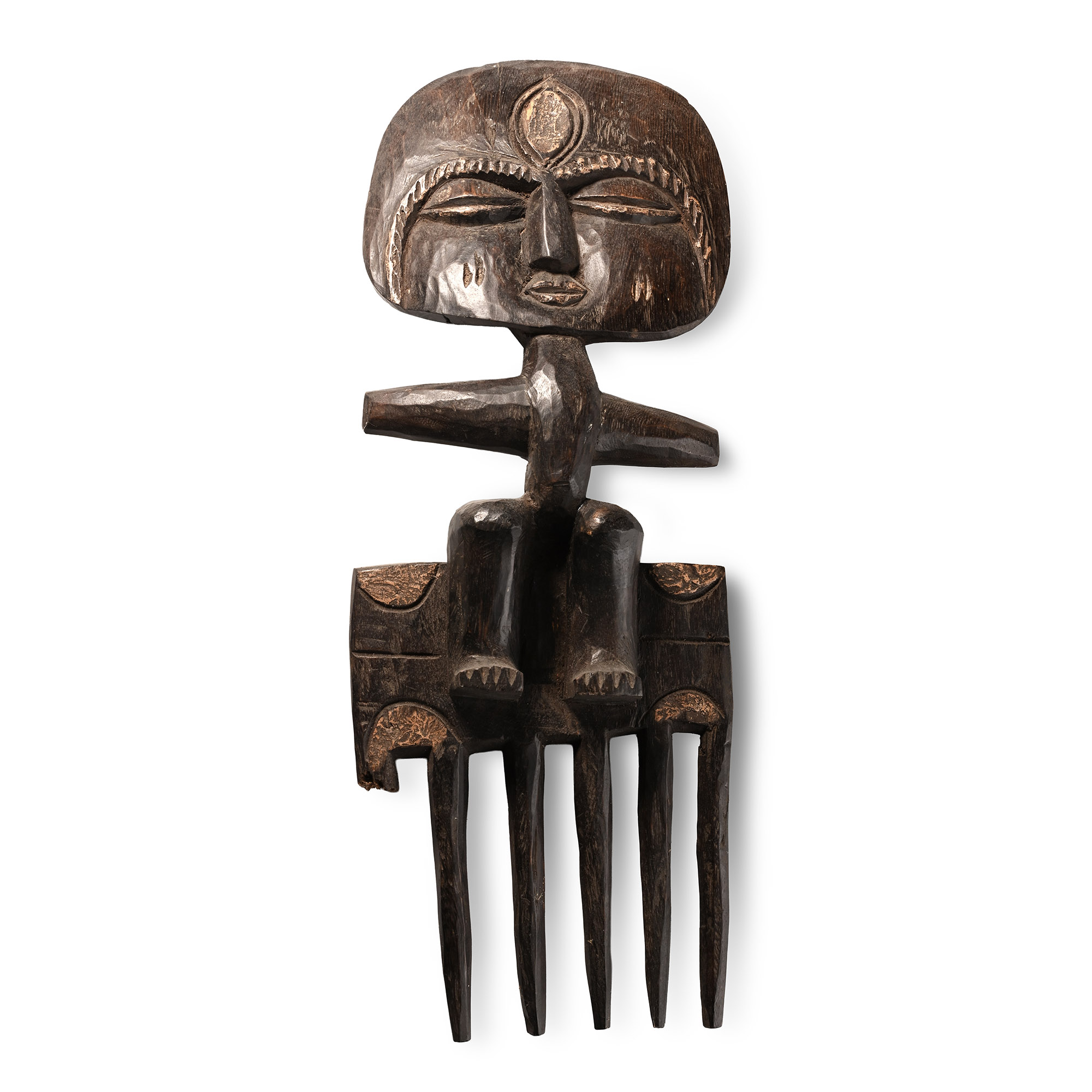
African Wooden Comb Fertility Figure
ASANTE TRIBE, 20TH CENTURY A.D.
16 3/8 in. (483 grams, 41.7 cm).
Carved in the round with large discoid panel for the head with high-relief facial features; small body with arms spread, resting on a rectangular comb with six tines. [No Reserve]
ProvenanceFrom Southern Ghana, West Africa.
From the property of a late Lincolnshire, UK, gentleman.
Fertility and children are the most frequent themes in the wooden sculptures of the Asante. The most numerous works are akua’ba fertility figures. The are dolls with disk-shaped heads embodying their concept of beauty and carried by women who want to become pregnant and to deliver a beautiful child.
CONDITIONTimeLine Auctions follows a vetting process to ensure the authenticity and legality of all items, reinforcing our commitment to integrity and responsible trading. Each antiquity, antique, and coin lot undergoes thorough examination by a vetting committee of at least ten external specialists, professional trade association members, scientists, and archaeologists: Our Vetting Process
AUCTIONS:
TimeLine is a leading auction house specialising in antiquities, ancient art, collectables, natural history, coins, medals, and books. Our auctions offer museums, collectors, historians, and enthusiasts the opportunity to acquire unique and historically significant pieces.
-
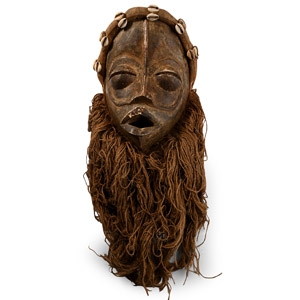
African Wooden Ceremonial Face Mask
Dan Tribe, early-mid 20th century A.D.Sold for (Inc. bp): £52
Carved in an exaggerated face with slits in the protrusive eyes, open lips, vertical crest from nose to brow; with a rolled leather headband, decorated with cowrie shells and lengths of fibre. 808 grams, 28 cm
From Côte d'Ivoire and Liberia, West Africa. From the late Brian Morley collection, 1950s. From the property of a late Lincolnshire, UK, gentleman. -
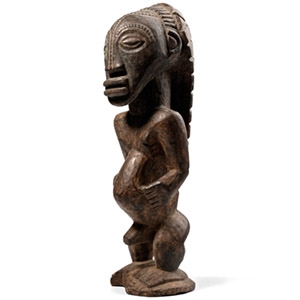
African Wooden Fertility Figure
Baule Tribe, early-mid 20th century A.D.Sold for (Inc. bp): £26
A carved standing figure with an elaborate hairstyle tied back with a band; scarification to the face. 904 grams, 35 cm
From Côte d'Ivoire, West Africa. From a Glasgow ethnographical collection; formed 1940s-1950s. From the property of a late Lincolnshire, UK, gentleman.
Baule statues are usually standing on a base with legs slightly bent, with their hands resting on their abdomen in a gesture of peace, and their elongated necks supporting a face with typically raised scarification and bulging eyes. -
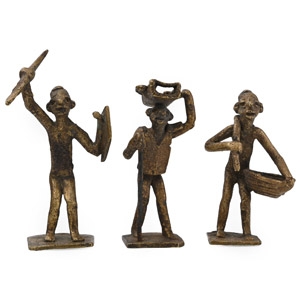
Ashanti Bronze Gold Figural Weight Collection
Akan Tribe, 19th-20th century A.D.Sold for (Inc. bp): £59
Comprising two figures carrying baskets and a warrior with spear and shield. 122 grams total, 60-77 mm
From an old Oxford, UK, collection. From the property of a late Lincolnshire, UK, gentleman.
