
Loading, please wait...
LOT 2358
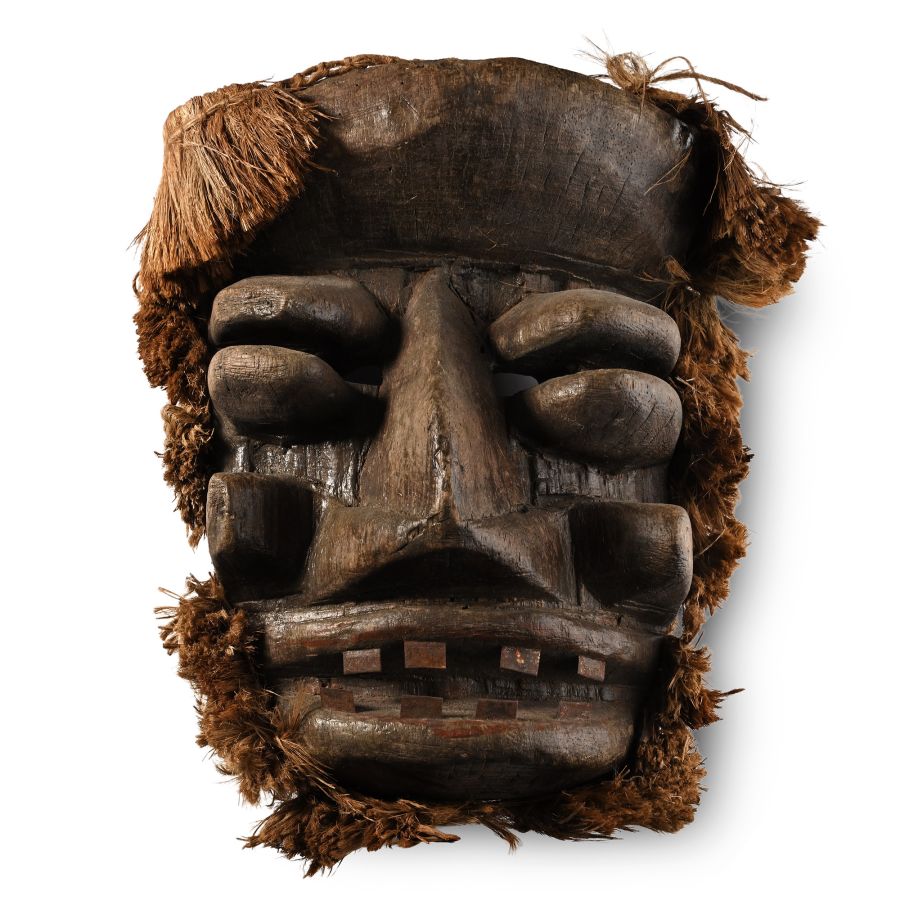
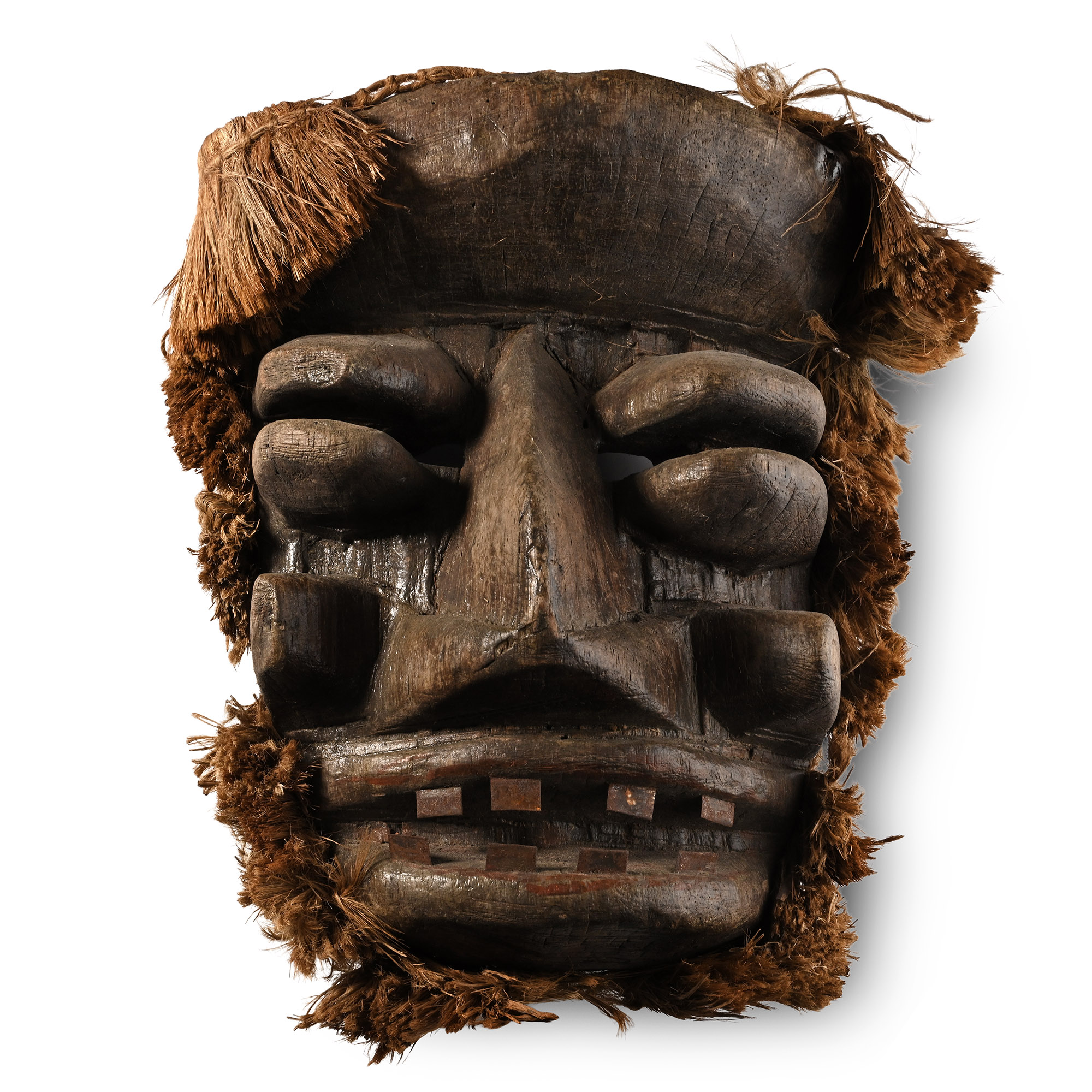
African Wooden Cermonial Face Mask
WE TRIBE, EARLY-MID 20TH CENTURY A.D.
11 1/4 in. (1.15 kg, face long: 28.5 cm).
Carved with tubular eyes, a wide mouth with metal plate teeth, a broad nose and raffia hair around the whole mask. [No Reserve]
ProvenanceFrom Côte d'Ivoire and Liberia, West Africa.
From an old Newbury, UK, ethnographic collection.
From the property of a late Lincolnshire, UK, gentleman.
Masks are owned by families and used by individual lineage members in contexts of social control, boy’s circumcision camps, and entertainment. Most We masks were created to frighten with the gaping jaws and tubular eyes. Modern ethnology puts the Wobe and Guere together under the name We, despite the fact that the people themselves use the old names.
CONDITIONTimeLine Auctions follows a vetting process to ensure the authenticity and legality of all items, reinforcing our commitment to integrity and responsible trading. Each antiquity, antique, and coin lot undergoes thorough examination by a vetting committee of at least ten external specialists, professional trade association members, scientists, and archaeologists: Our Vetting Process
AUCTIONS:
TimeLine is a leading auction house specialising in antiquities, ancient art, collectables, natural history, coins, medals, and books. Our auctions offer museums, collectors, historians, and enthusiasts the opportunity to acquire unique and historically significant pieces.
-
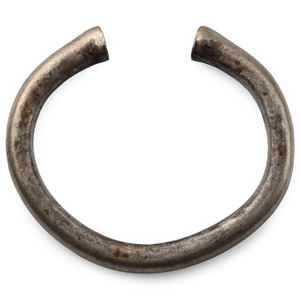
African Brass Kano Bracelet
Okombo Tribe, late 19th-early 20th century A.D.Sold for (Inc. bp): £46
Comprising a plain round white brass penannular body with clubbed ends. 92 grams, 75 mm
From Nigeria, West Africa. From an old Derby, UK, specialist collection. From the property of a late Lincolnshire, UK, gentleman.
This is a Kano Bracelet from northern Nigeria. The bracelet is the most common money form in Africa. It served the important monetary functions of portability and wealth display. Variants of this form were accepted virtually everywhere in Africa. -
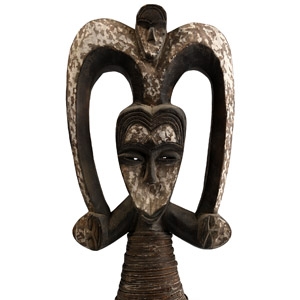
African Wooden Ceremonial 'Forest Spirit' Face Mask
Kwele Tribe, early-mid 20th century A.D.Sold for (Inc. bp): £78
Carved wooden 'Four Faces Forest Spirit Mask' from Gabon, displaying flat surfaces with whitened heart-shaped faces each with a triangular nose, coffee-bean eyes and small or non-existent mouth; the two large carved horns represent the antelope. 1.2 kg, 50 cm
From Gabon, West Africa. From the property of a late Lincolnshire, UK, gentleman.
The faces are usually painted in white kaolin earth, a pigment associated by the Kwele with light and clarity, the two essential factors in the fight against evil. The Kwele occupy a great forest region on the borders of Gabon, Cameroon and the Republic of Congo. -
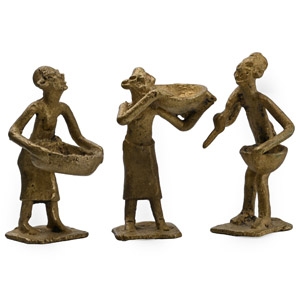
Ashanti Bronze Gold Figural Weight Collection
Akan Tribe, 19th-20th century A.D.Sold for (Inc. bp): £13
Comprising three kilted figures, each carrying a basket, in various poses. 105 grams total, 53-56 mm
From an old Oxford, UK, collection. From the property of a late Lincolnshire, UK, gentleman.
