Loading, please wait...

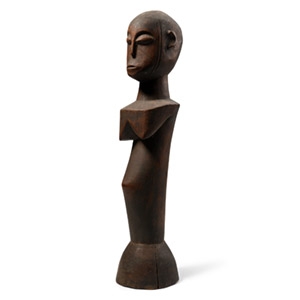
African Wooden Ceremonial Tribal Stool African Wooden Ceremonial Tribal Stool African Wooden Ceremonial Tribal Stool
Use mousewheel to zoom in and out, click to enlarge
Details

LOT 2401

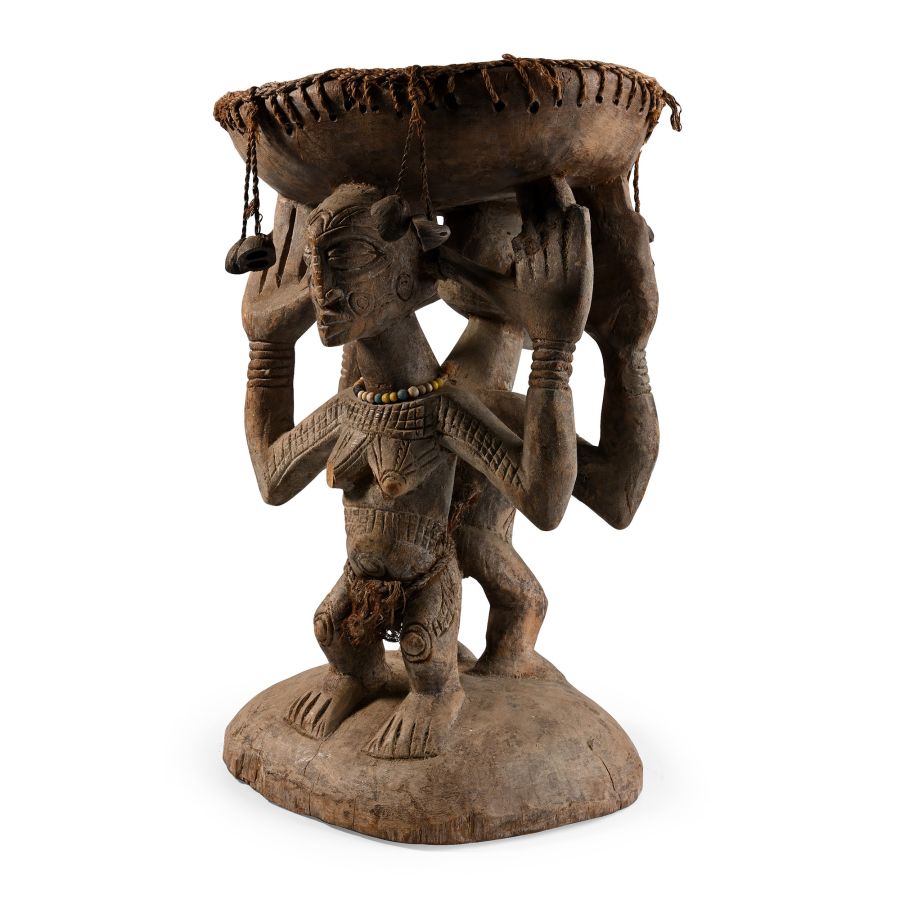
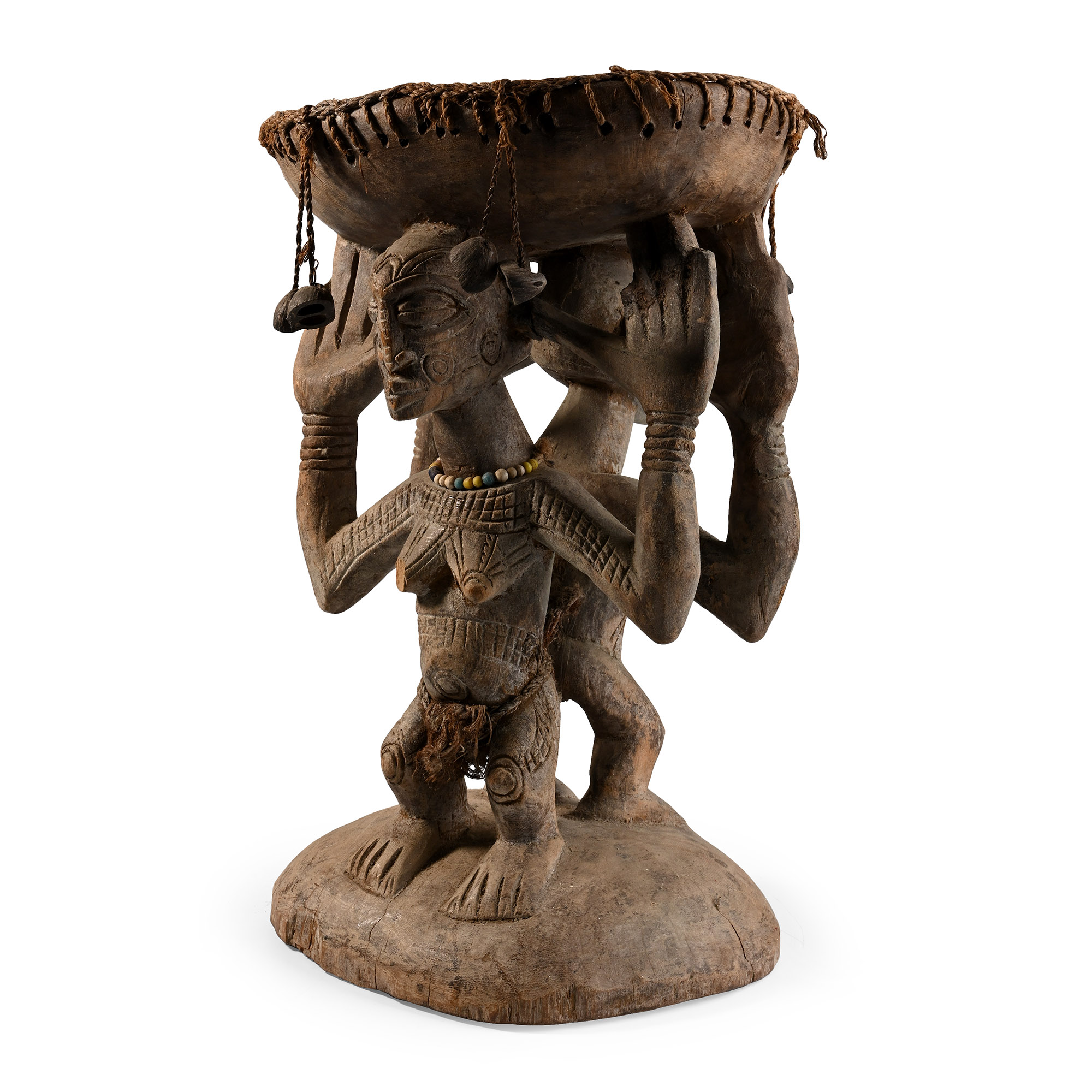
African Wooden Ceremonial Tribal Stool

YORUBA TRIBE, EARLY-MID 20TH CENTURY A.D.

16 1/8 in. (2.55 kg, 41 cm high).

A carved tribal stool, an oval seat decorated with beads supported by two female figures displaying scarification, on a plano-convex base. [No Reserve]

Provenance

From Republic of Benin, West Africa.
From the collection of the late Professor R M Hicks, OBE.
From the property of a late Lincolnshire, UK, gentleman.

CONDITION
VETTING:

TimeLine Auctions follows a vetting process to ensure the authenticity and legality of all items, reinforcing our commitment to integrity and responsible trading. Each antiquity, antique, and coin lot undergoes thorough examination by a vetting committee of at least ten external specialists, professional trade association members, scientists, and archaeologists: Our Vetting Process


AUCTIONS:

TimeLine is a leading auction house specialising in antiquities, ancient art, collectables, natural history, coins, medals, and books. Our auctions offer museums, collectors, historians, and enthusiasts the opportunity to acquire unique and historically significant pieces.

LOT 2401

African Wooden Ceremonial Tribal Stool

Sold for (Inc. bp): £91

Print page

RELATED LOTS
  • African Ashanti Bronze Figural Gold Weight Collection
    African Ashanti Bronze Figural Gold Weight Collection
    Akan Tribe, 19th-20th century A.D.

    Sold for (Inc. bp): £59

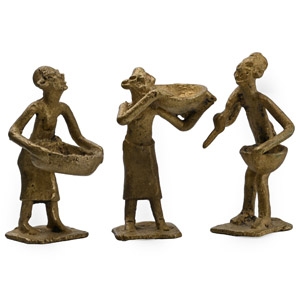
    Group of three workmen in active poses with handtools. 202 grams total, 51-84 mm


    From an old Oxford, UK, collection. From the property of a late Lincolnshire, UK, gentleman.

    Lot Details

  • West African Squatting Stone Figure Pair
    West African Squatting Stone Figure Pair
    Kissi Tribe, early 20th century A.D.

    Sold for (Inc. bp): £7

    Carved stone statues (twins) from Sierra Leone; two steatite anthropomorphic carvings, one male and one female, both with hands wrapped around the knees. 2.55 kg total, 20-23.5 cm


    From Sierra Lione, West Africa. From an old Norwich, UK, collection. From the property of a late Lincolnshire, UK, gentleman.

    The Kissi as early as the 15th century, revered soapstone (steatite) anthropomorphic carvings, which are found in fields and rivers in the area centered around Sewa and Mano rivers. The Kissi people call them Pomdo (Pombo), which mean "the deceased". Some of their carvings are extremely old. These statues were the abodes of the spirits of their ancestors. In order to find out which ancestor a statue represented; a man’s dreams were analyzed with the help of the diviner. At festivities the statue was wrapped in cotton upon which sacrificial blood had been poured. The owner (the guardian of the statue) placed it on the family altar; hence it was thought to be the family’s protector against sickness. It was also consulted before a new undertaking was planned. The statues were believed to have supernatural power and were used in rice cultivation. Remarkably, the descendants of the Kissi people still keep up the tradition of stone carving.

    Lot Details

  • African Wooden Mother with Child Fertility Figure
    African Wooden Mother with Child Fertility Figure
    Fang Tribe, early-mid 20th century A.D.

    Sold for (Inc. bp): £65

    A hand-carved female figure standing on a base holding a child in front of the figure and displaying scarification to the face and breasts. 1.38 kg, 68.5 cm


    From Equatorial Guinea, West Coast of Central Africa. From an old Bristol, UK, ethnographical collection. From the property of a late Lincolnshire, UK, gentleman.

    The people that are called “Fang” in the geographic or ethnographic literature number 800,000 and constitute a vast mosaic of village communities, established in a large zone of Atlantic equatorial Africa comprising Cameroon, continental Equatorial Guinea and nearly the whole north of Gabon, on the right bank of the Ogowe River. The Fang practice a cult devoted to ancestor lineages, the Bieri, whose aim is to both protect themselves from the deceased and to recruit their aid in matters of daily life. Bieri are reliquary figures placed by the Fang upon their bark boxes to personify the tribal soul, containing the skulls and skeletons of prominent deceased persons. The Bieri also served for therapeutic rituals and, above all, for initiations of young males during the great so festival. The rites included consumption of a plant with stimulant properties, which induced a trance lasting for several hours, and the “resuscitation of the ancestors,” in which figures detached from the reliquaries were moved somewhat playfully from behind a raffia screen as puppets.

    Lot Details

Stay up-to-date with the latest from TimeLine Auctions by joining our mailing list