
Loading, please wait...
LOT 2396
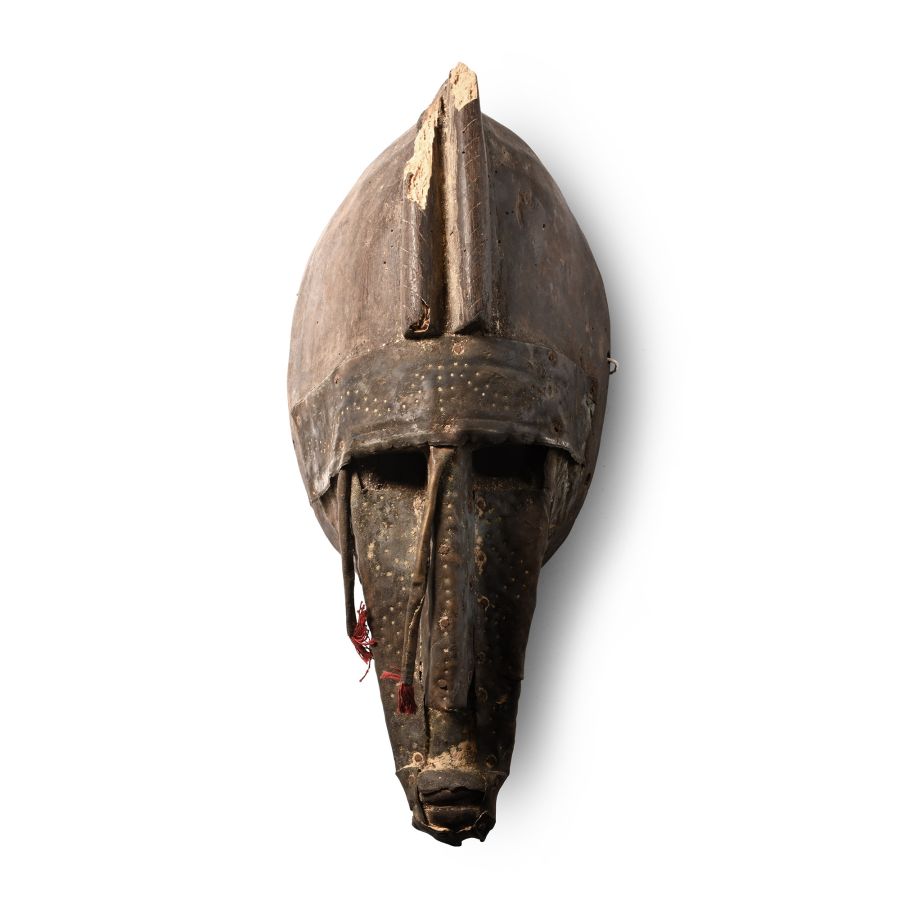
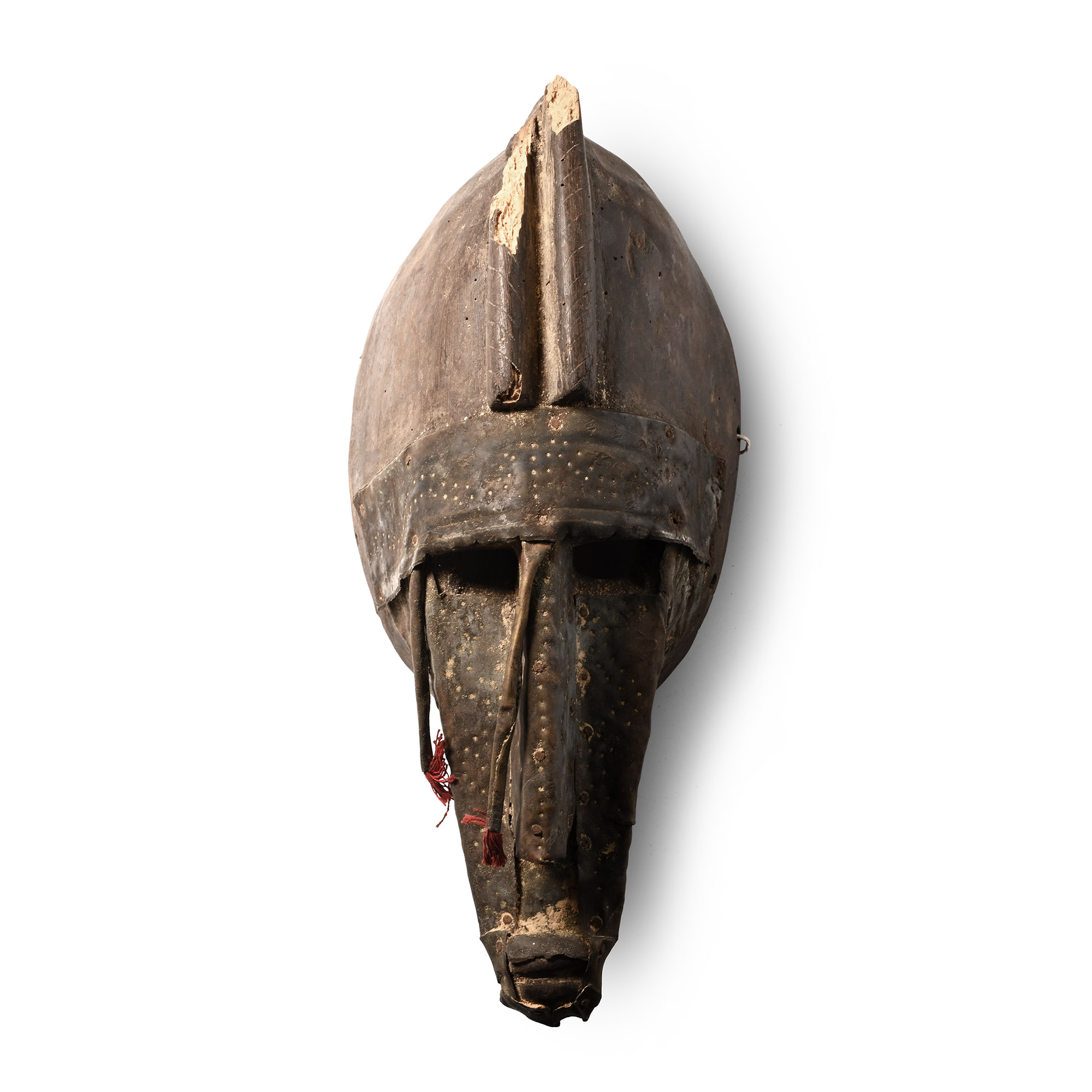
African Wooden Ceremonial Face Mask
MARKA, EARLY-MID 20TH CENTURY A.D.
135/8 in. (862 grams, 34.5 cm).
Hollow-formed carved mask with heavy brow, small square eye-holes flanking a triangular-section nose, narrow lower face with tassels. [No Reserve]
ProvenanceFrom Mali, Guinea and Burkina Faso, West Africa.
Private Hampshire, UK, collection of tribal art; acquired in the 1960s.
From the property of a late Lincolnshire, UK, gentleman.
The Marka are a Mande subgroup. This ethnic group is independent from the Bambara but their styles show a strong Bambara influence. The Marka are famous for their masks and puppets. Similar to Bambara's ntomo society masks, Marka masks are generally carved with horns, comb or crest on top of the head, but unlike Bambara masks they are often covered with metal sheeting.
CONDITIONTimeLine Auctions follows a vetting process to ensure the authenticity and legality of all items, reinforcing our commitment to integrity and responsible trading. Each antiquity, antique, and coin lot undergoes thorough examination by a vetting committee of at least ten external specialists, professional trade association members, scientists, and archaeologists: Our Vetting Process
AUCTIONS:
TimeLine is a leading auction house specialising in antiquities, ancient art, collectables, natural history, coins, medals, and books. Our auctions offer museums, collectors, historians, and enthusiasts the opportunity to acquire unique and historically significant pieces.
-
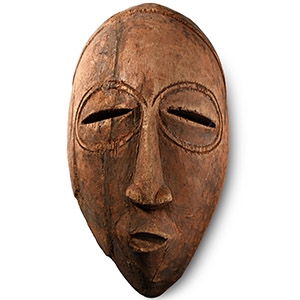
African Wooden Ceremonial Face Mask
Kamba Tribe, mid-late 20th century A.D.Sold for (Inc. bp): £26
Hollow to the reverse, with reserved hoops around the eye-slots developing to a slender nose, puckered mouth; remains of pigment. 734 grams, 37.5 cm
From Kenya, East Africa. From the private collection of Mr N.J., Leicester, UK; acquired circa 2010. From the property of a late Lincolnshire, UK, gentleman. -
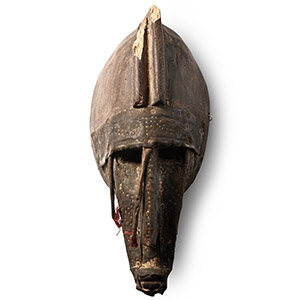
African Wooden Ceremonial Face Mask
Marka, early-mid 20th century A.D.Sold for (Inc. bp): £98
Hollow-formed carved mask with heavy brow, small square eye-holes flanking a triangular-section nose, narrow lower face with tassels. 862 grams, 34.5 cm
From Mali, Guinea and Burkina Faso, West Africa. Private Hampshire, UK, collection of tribal art; acquired in the 1960s. From the property of a late Lincolnshire, UK, gentleman.
The Marka are a Mande subgroup. This ethnic group is independent from the Bambara but their styles show a strong Bambara influence. The Marka are famous for their masks and puppets. Similar to Bambara's ntomo society masks, Marka masks are generally carved with horns, comb or crest on top of the head, but unlike Bambara masks they are often covered with metal sheeting. -
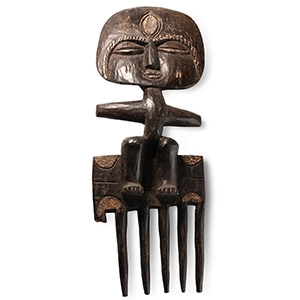
African Wooden Comb Fertility Figure
Asante Tribe, 20th century A.D.Sold for (Inc. bp): £117
Carved in the round with large discoid panel for the head with high-relief facial features; small body with arms spread, resting on a rectangular comb with six tines. 483 grams, 41.7 cm
From Southern Ghana, West Africa. From the property of a late Lincolnshire, UK, gentleman.
Fertility and children are the most frequent themes in the wooden sculptures of the Asante. The most numerous works are akua’ba fertility figures. The are dolls with disk-shaped heads embodying their concept of beauty and carried by women who want to become pregnant and to deliver a beautiful child.
