
Loading, please wait...
LOT 2363
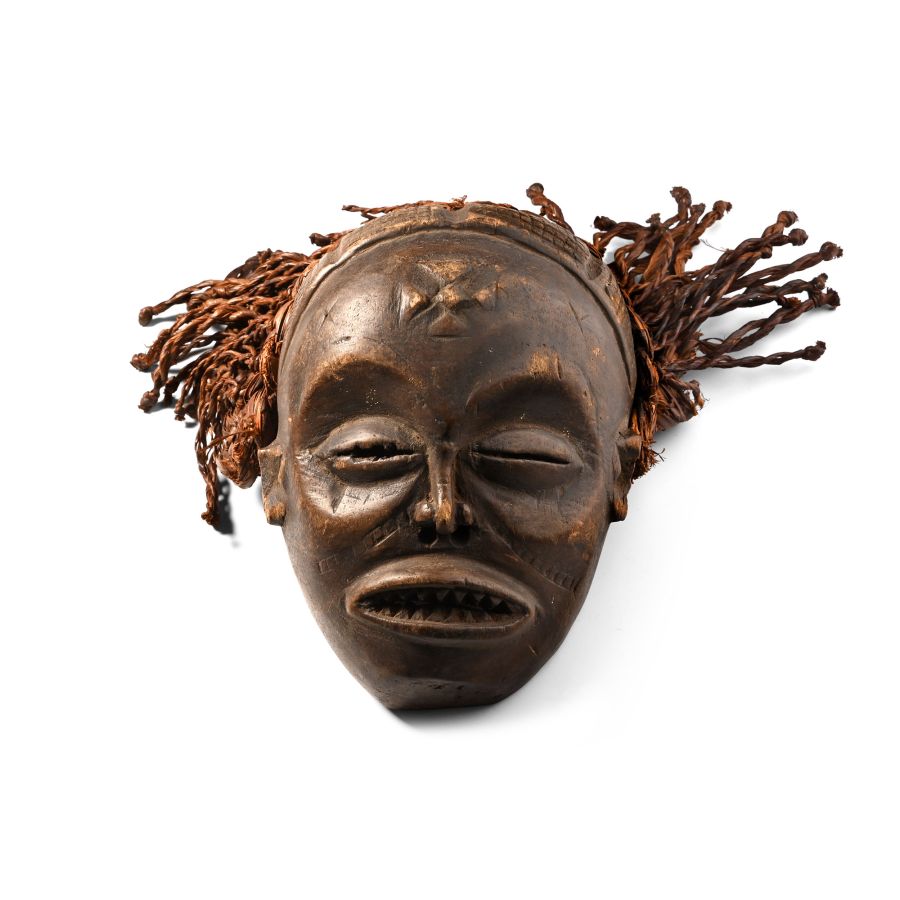
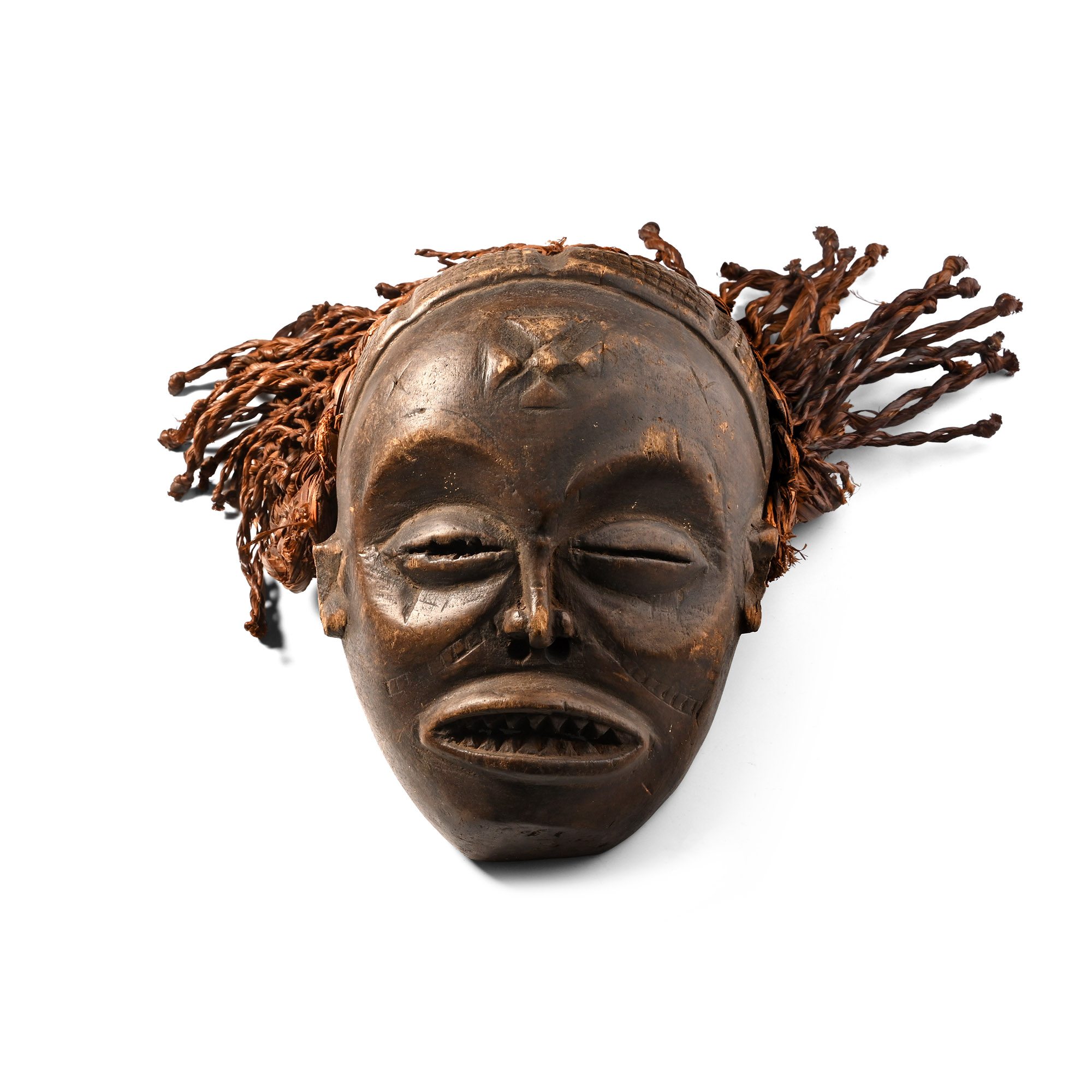
African Wooden Ceremonial Face Mask
CHOKWE TRIBE, 20TH CENTURY A.D.
7 7/8 in. (285 grams, face long: 20 cm).
A carved face mask, decorated with lengths of fibre representing hair, with small nose, carved teeth and scarification. [No Reserve]
ProvenanceFrom Western Ivory Coast, West Africa.
From the late Brian Morley collection, 1950s.
From the property of a late Lincolnshire, UK, gentleman.
TimeLine Auctions follows a vetting process to ensure the authenticity and legality of all items, reinforcing our commitment to integrity and responsible trading. Each antiquity, antique, and coin lot undergoes thorough examination by a vetting committee of at least ten external specialists, professional trade association members, scientists, and archaeologists: Our Vetting Process
AUCTIONS:
TimeLine is a leading auction house specialising in antiquities, ancient art, collectables, natural history, coins, medals, and books. Our auctions offer museums, collectors, historians, and enthusiasts the opportunity to acquire unique and historically significant pieces.
-
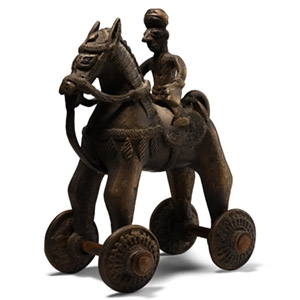
African Bronze Figure on Horseback
Edo Tribe, 20th century A.D.Sold for (Inc. bp): £46
Substantial bronze horse model with harness, bridle and saddle, a rider figure and four biconvex wheels. 2.33 kg, 18.4 cm high
From Benin. Ex Surrey, UK, ethnographical collection. From the property of a late Lincolnshire, UK, gentleman. -
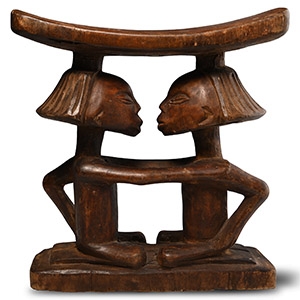
African Congo Wooden Headrest
Luba Tribe, 20th century A.D.Sold for (Inc. bp): £104
A carved headrest formed as two opposed kneeling figures each with an arm on the other's shoulder; rectangular base. 485 grams, 20.5 cm high
Ex Walter Steinberg collection; acquired London art market, 1960s-1970s. -
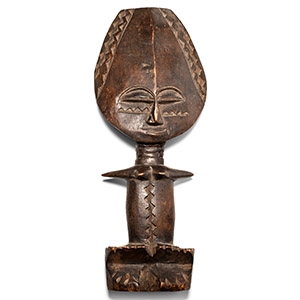
African Wooden 'Akuaba Doll' Fertility Figure
Ashanti Tribe, 20th century A.D.Sold for (Inc. bp): £33
Carved from dark-coloured, lightweight wood in traditional form and dyed dark brown with large, round head with a plain hairstyle, large eyes and zig-zag lines beneath, extending down the back and abdomen representing the typical tribal scarification marks. 250 grams, 30.5 cm
From Ghana, West Africa. Ex private collection of Mr.N.J., Leicester, UK. From the property of a late Lincolnshire, UK, gentleman.
Among the Ashanti people in Ghana, women hoping for offspring carry these ‘Akuaba dolls’ in their clothes. Traditionally, these ‘Akuaba’ have a large, round, flat head that is reminiscent of its origin as a representation of the moon goddess, which is associated with fertility. Once the ‘Akuaba’ figure has fulfilled its purpose, the mother of the desired child places it on her domestic altar, where it is worshipped in a shrine, or she passes it on to the next generation.
