
Loading, please wait...
LOT 2404
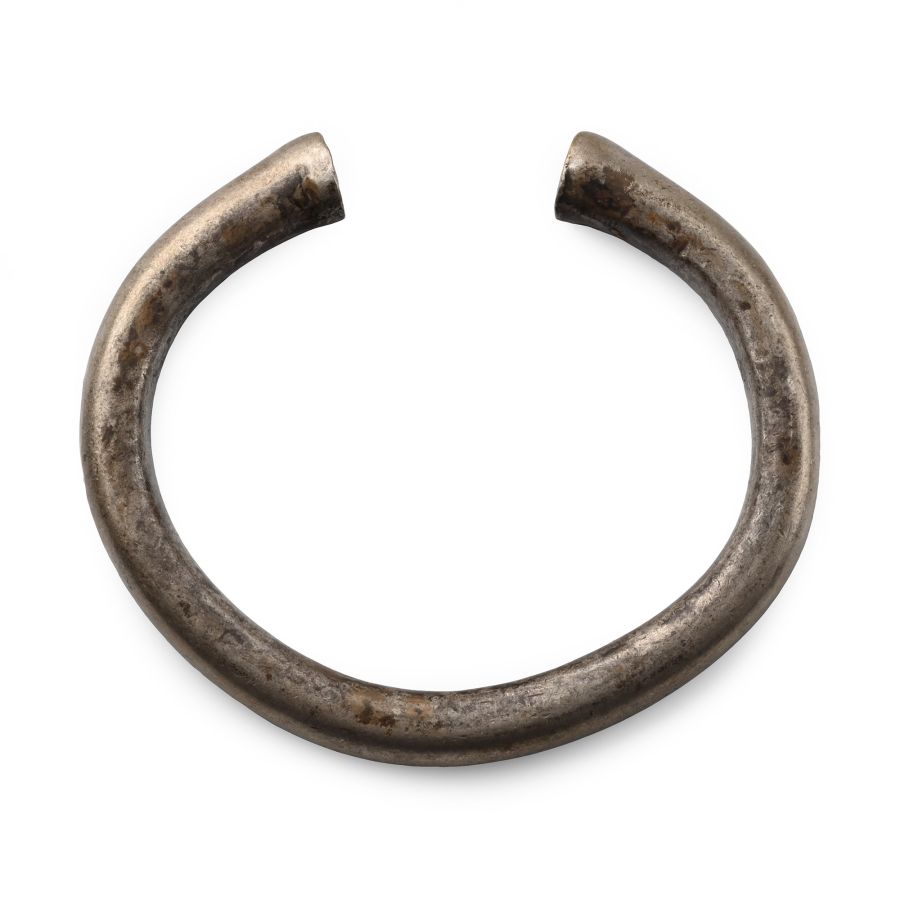
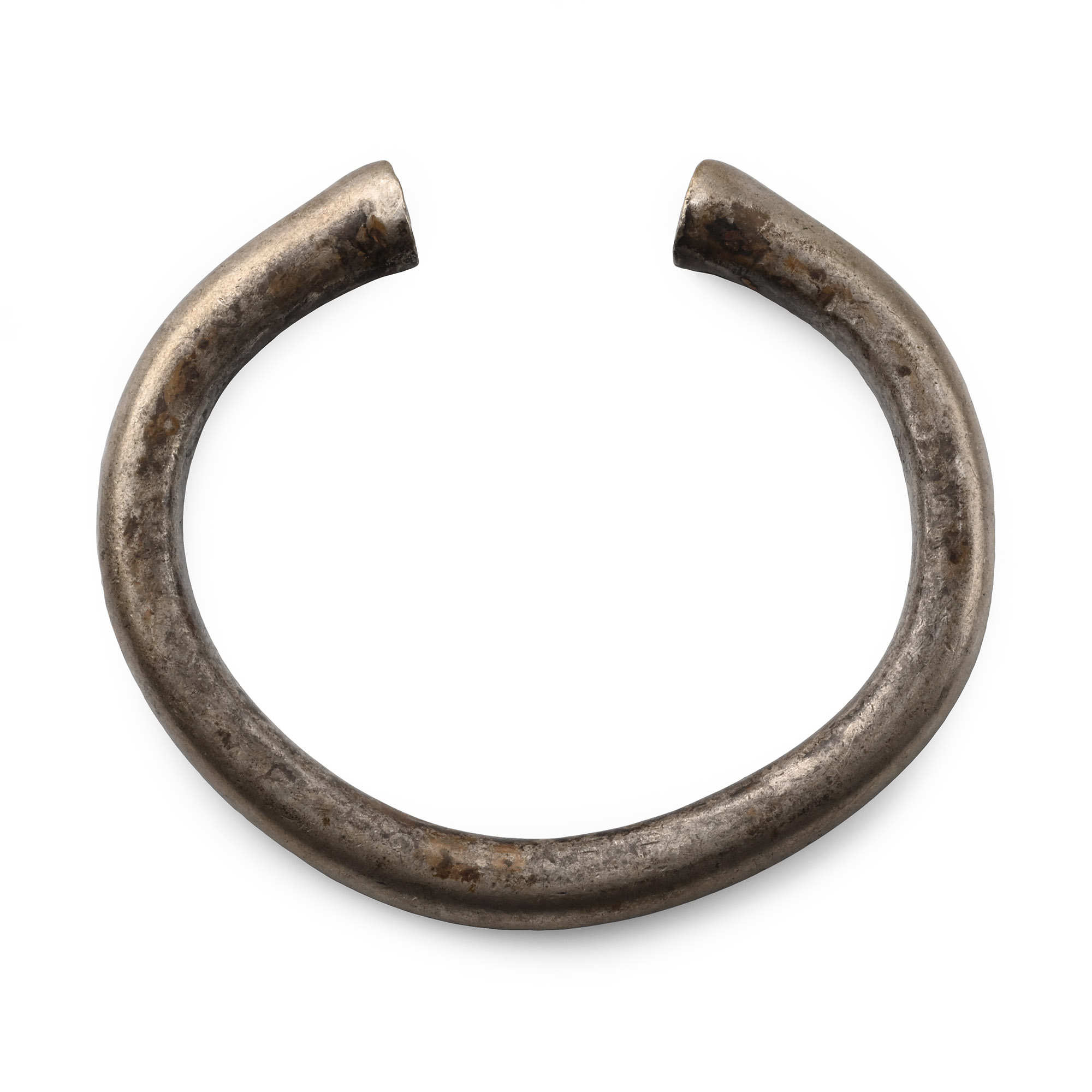
African Brass Kano Bracelet
OKOMBO TRIBE, LATE 19TH-EARLY 20TH CENTURY A.D.
3 in. (92 grams, 75 mm).
Comprising a plain round white brass penannular body with clubbed ends. [No Reserve]
ProvenanceFrom Nigeria, West Africa.
From an old Derby, UK, specialist collection.
From the property of a late Lincolnshire, UK, gentleman.
This is a Kano Bracelet from northern Nigeria. The bracelet is the most common money form in Africa. It served the important monetary functions of portability and wealth display. Variants of this form were accepted virtually everywhere in Africa.
CONDITIONTimeLine Auctions follows a vetting process to ensure the authenticity and legality of all items, reinforcing our commitment to integrity and responsible trading. Each antiquity, antique, and coin lot undergoes thorough examination by a vetting committee of at least ten external specialists, professional trade association members, scientists, and archaeologists: Our Vetting Process
AUCTIONS:
TimeLine is a leading auction house specialising in antiquities, ancient art, collectables, natural history, coins, medals, and books. Our auctions offer museums, collectors, historians, and enthusiasts the opportunity to acquire unique and historically significant pieces.
-
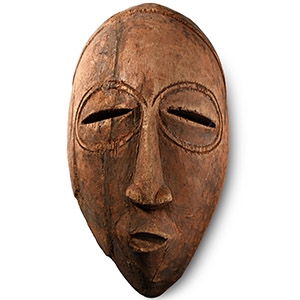
African Wooden Ceremonial Face Mask
Kamba Tribe, mid-late 20th century A.D.Sold for (Inc. bp): £26
Hollow to the reverse, with reserved hoops around the eye-slots developing to a slender nose, puckered mouth; remains of pigment. 734 grams, 37.5 cm
From Kenya, East Africa. From the private collection of Mr N.J., Leicester, UK; acquired circa 2010. From the property of a late Lincolnshire, UK, gentleman. -
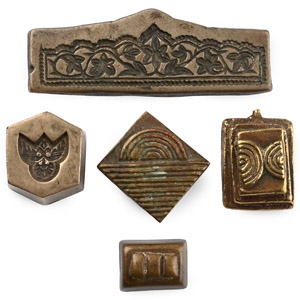
Ashanti Bronze Gold Weight Collection
Akan, 19th-20th century A.D.Sold for (Inc. bp): £59
Including a hexagonal-section block with stamped motif, rectangular bars and other types. 211 grams total, 19-68 mm
From an old Oxford, UK, collection. From the property of a late Lincolnshire, UK, gentleman. -
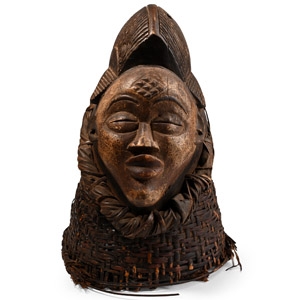
African Wooden Ceremonial 'Maiden Spirit' Mask
Punu Tribe, early-mid 20th century A.D.Sold for (Inc. bp): £39
A wooden mask with traces of white facial pigment and a raffia collar. 851 grams, 36.5 cm
From Gabon, West Africa. From an old Norwich, UK, collection. From the property of a late Lincolnshire, UK, gentleman.
Punu masks represent idealised female ancestors' faces. The white colour of the mask is genderless and a symbol for peace, deities, spirits of the dead, and the afterlife. It is the predominating colour in funeral celebrations and memorials. The masks were worn during funerals. They appeared also in the magical rites whose function was to unmask sorcerers. The masks have realistic, mostly white but sometimes black faces with protruding pursed lips, globular protruding eyes incised with a curve, high-domed foreheads, and characteristic rigid high coiffures reflecting the Punu women's hair styles. The masks often have an oriental expression, but no such influence has been established. Many Punu masks can be recognized by raised diamond-shape scarification marks on the foreheads and temples.
