
Loading, please wait...
LOT 2341
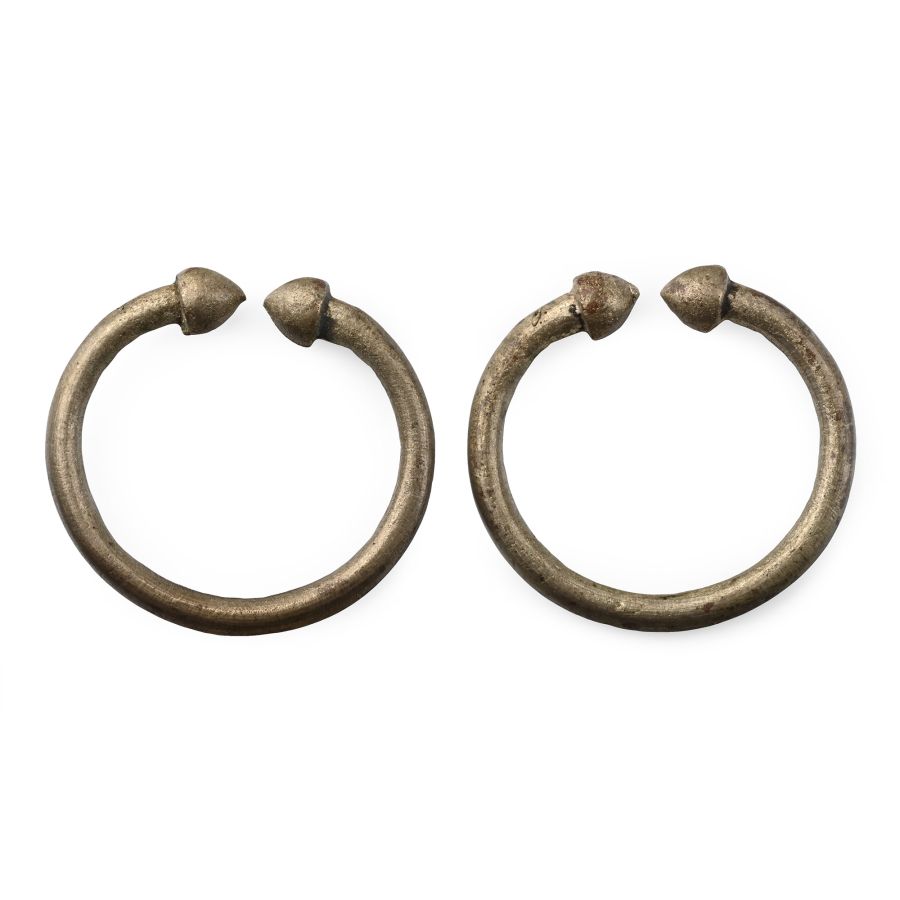
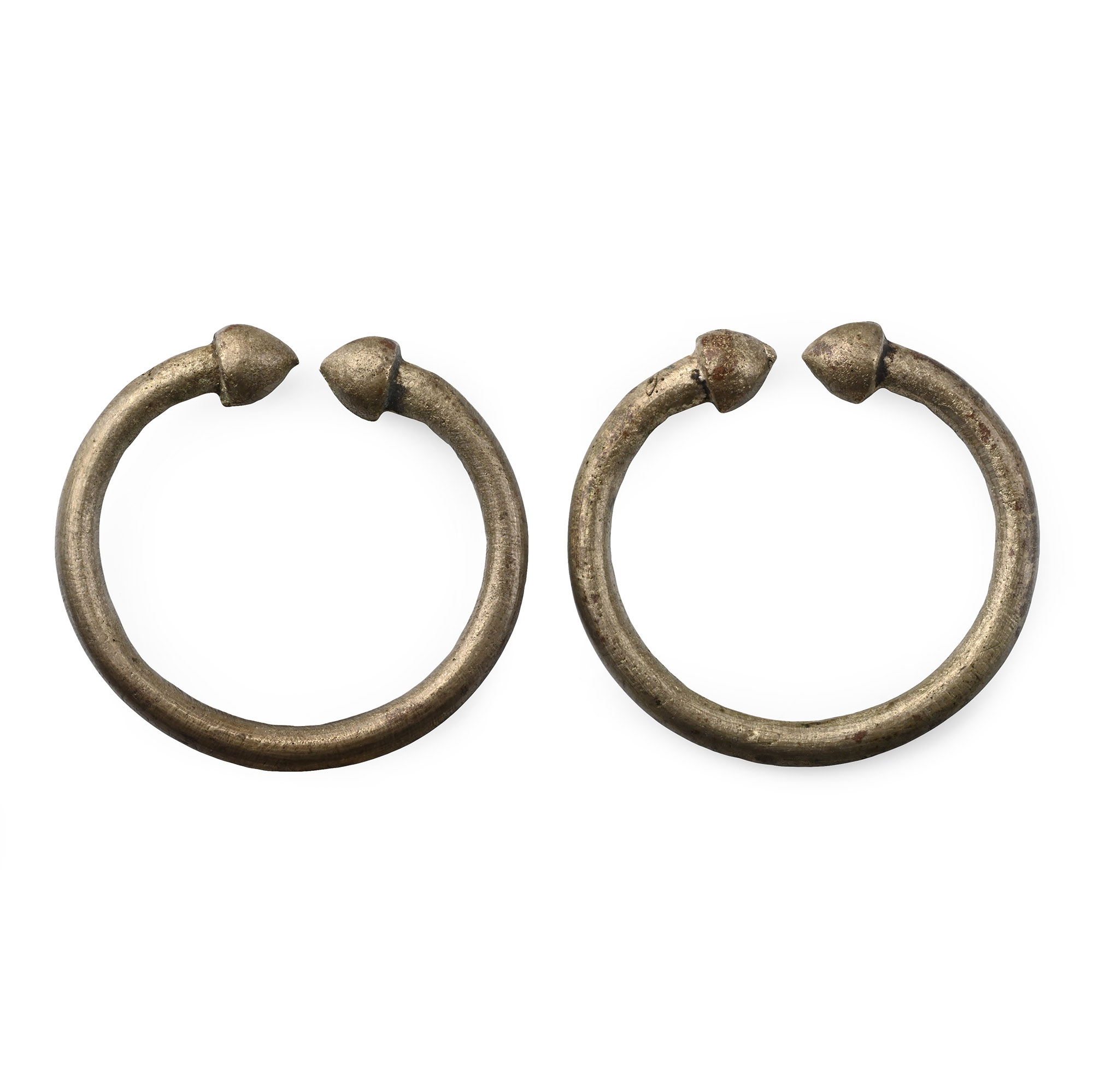
African Brass Kano Bracelet Pair
OKOMBO TRIBE, LATE 19TH-EARLY 20TH CENTURY A.D.
2 1/2 in. (92 grams total, 63 mm each).
Penannular in form with plain white brass body and cone-shaped finials. [2, No Reserve]
ProvenanceFrom Nigeria, West Africa.
From an old Derby, UK, specialist collection.
From the property of a late Lincolnshire, UK, gentleman.
The bracelet is the most common money form in Africa. It served the important monetary functions of portability and wealth display. Variants of this form were accepted virtually everywhere in Africa.
CONDITIONTimeLine Auctions follows a vetting process to ensure the authenticity and legality of all items, reinforcing our commitment to integrity and responsible trading. Each antiquity, antique, and coin lot undergoes thorough examination by a vetting committee of at least ten external specialists, professional trade association members, scientists, and archaeologists: Our Vetting Process
AUCTIONS:
TimeLine is a leading auction house specialising in antiquities, ancient art, collectables, natural history, coins, medals, and books. Our auctions offer museums, collectors, historians, and enthusiasts the opportunity to acquire unique and historically significant pieces.
-
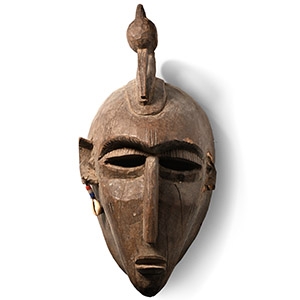
African Wooden Ceremonial Face Mask
Senufo Tribe, early-mid 20th century A.D.Sold for (Inc. bp): £20
Carved with a narrow face, narrow protruding sharp nose, slit eyes with some decoration, a closed mouth with protruding lips, bead and cowrie shell decoration to one ear and a bird's neck and head sculpture to the top of the mask. 1.12 kg, 36.5 cm
From Burkina Faso, West Africa. From a Glasgow ethnographical collection; formed 1940s-1950s. From the property of a late Lincolnshire, UK, gentleman. -
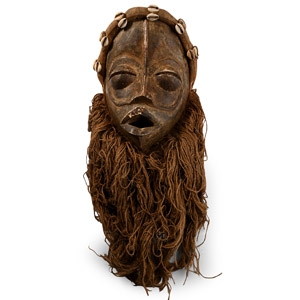
African Wooden Ceremonial Face Mask
Dan Tribe, early-mid 20th century A.D.Sold for (Inc. bp): £52
Carved in an exaggerated face with slits in the protrusive eyes, open lips, vertical crest from nose to brow; with a rolled leather headband, decorated with cowrie shells and lengths of fibre. 808 grams, 28 cm
From Côte d'Ivoire and Liberia, West Africa. From the late Brian Morley collection, 1950s. From the property of a late Lincolnshire, UK, gentleman. -
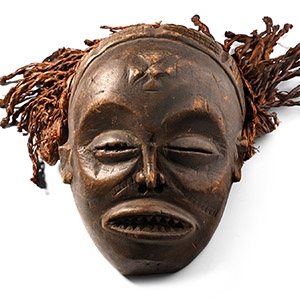
African Wooden Ceremonial Face Mask
Chokwe Tribe, 20th century A.D.Sold for (Inc. bp): £46
A carved face mask, decorated with lengths of fibre representing hair, with small nose, carved teeth and scarification. 285 grams, face long: 20 cm
From Western Ivory Coast, West Africa. From the late Brian Morley collection, 1950s. From the property of a late Lincolnshire, UK, gentleman.
