
Loading, please wait...
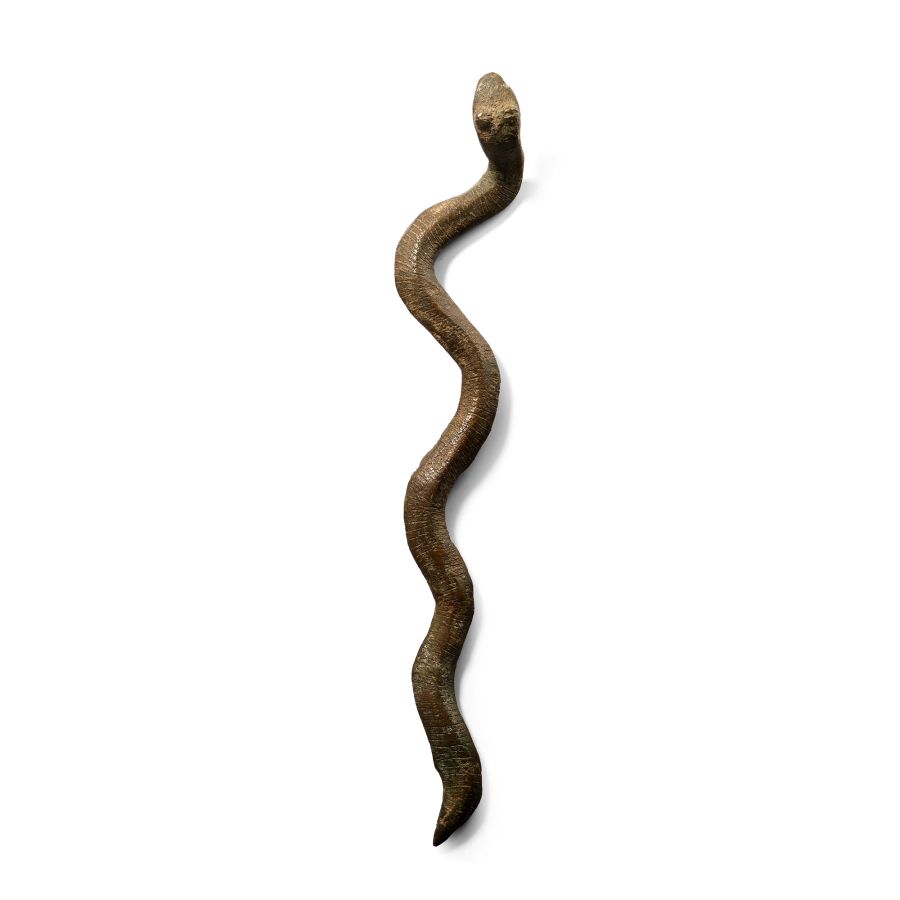
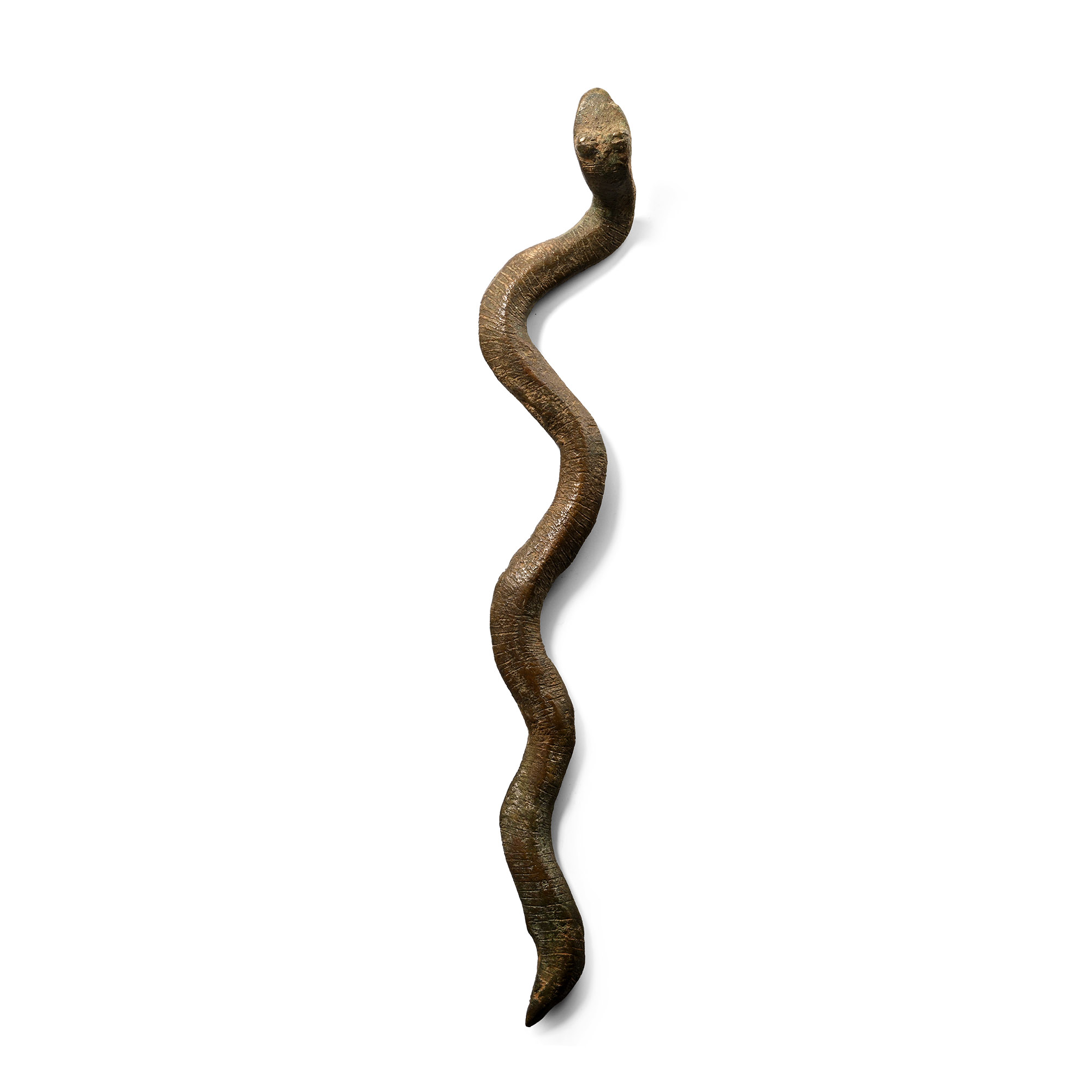
LOT 2365
African Ashanti Bronze Snake Gold Weight
AKAN TRIBE, 19TH-20TH CENTURY A.D.
9 7/8 in. (144 grams, 25 cm).
D-shaped in section with impressed segmentation to the back, raised head. [No Reserve]
ProvenanceFrom an old Oxford, UK, collection.
From the property of a late Lincolnshire, UK, gentleman.
TimeLine Auctions follows a vetting process to ensure the authenticity and legality of all items, reinforcing our commitment to integrity and responsible trading. Each antiquity, antique, and coin lot undergoes thorough examination by a vetting committee of at least ten external specialists, professional trade association members, scientists, and archaeologists: Our Vetting Process
AUCTIONS:
TimeLine is a leading auction house specialising in antiquities, ancient art, collectables, natural history, coins, medals, and books. Our auctions offer museums, collectors, historians, and enthusiasts the opportunity to acquire unique and historically significant pieces.
-
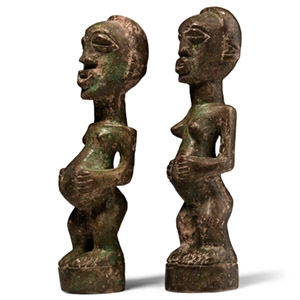
African Bronze Fertility Figure Pair
Yoruba Tribe, early-mid 20th century A.D.Sold for (Inc. bp): £78
Comprising male and female standing figures, each with hands resting on extended abdomen; drum-shaped base. 2.23 kg total, 17-17.1 cm each
From Nigeria, West Africa. Acquired during 1950s. From an old Surrey, UK, oriental and ethnographical collection. From the property of a late Lincolnshire, UK, gentleman. -
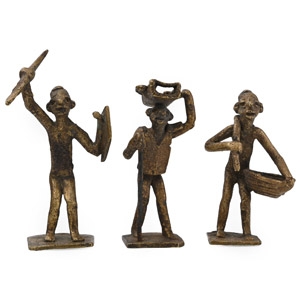
Ashanti Bronze Gold Figural Weight Collection
Akan Tribe, 19th-20th century A.D.Sold for (Inc. bp): £59
Comprising two figures carrying baskets and a warrior with spear and shield. 122 grams total, 60-77 mm
From an old Oxford, UK, collection. From the property of a late Lincolnshire, UK, gentleman. -
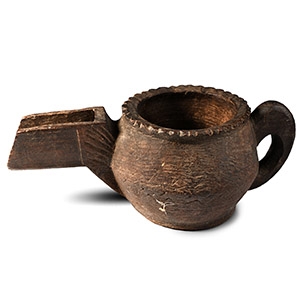
African Wooden Water Jug
Early-mid 20th century A.D.Sold for (Inc. bp): £26
With geometric carved decoration, large spout, strap handle and a serrated rim; West African type. 511 grams, 28.5 cm
From West Africa. From an old Surrey, UK, oriental and ethnographical collection; acquired during 1950s. From the property of a late Lincolnshire, UK, gentleman.
