
Loading, please wait...


LOT 1175
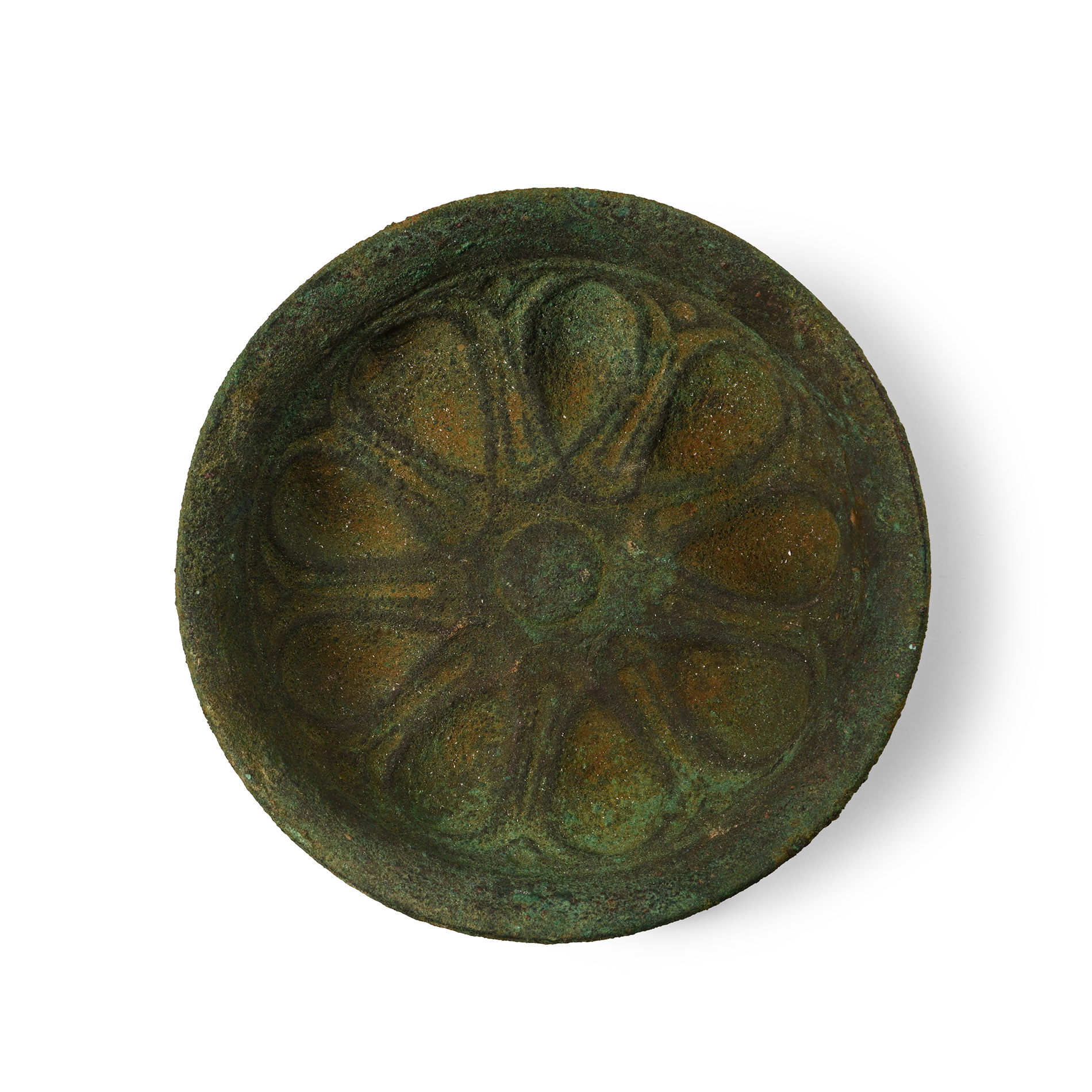
Achaemenid Bronze Lotus Phiale Mesomphalos
CIRCA 5TH-4TH CENTURY B.C.
6 in. (230 grams, 15 cm).
A broad carinated bowl with radiating repoussé lotus-leaf panels, central domed roundel. [No Reserve]
ProvenanceAcquired 1980-2015.
Ex Abelita family collection.
Cf. Gergova, D., Orphic Thrace and Achaemenid Persia in Nieling, J., and Rehm, E., Achaemenid Impact in the Black Sea, communications of powers, Aarhus, 2010, pp.67-86, figs.4c, 6, 7, 8, 10.
CONDITIONTimeLine Auctions follows a vetting process to ensure the authenticity and legality of all items, reinforcing our commitment to integrity and responsible trading. Each antiquity, antique, and coin lot undergoes thorough examination by a vetting committee of at least ten external specialists, professional trade association members, scientists, and archaeologists: Our Vetting Process
AUCTIONS:
TimeLine is a leading auction house specialising in antiquities, ancient art, collectables, natural history, coins, medals, and books. Our auctions offer museums, collectors, historians, and enthusiasts the opportunity to acquire unique and historically significant pieces.
-
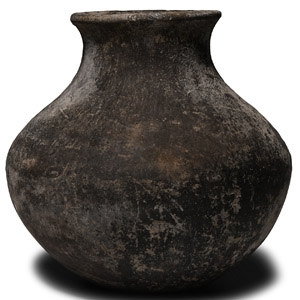
Western Asiatic Grey Ware Storage Vessel
Late Bronze Age, 1st millennium B.C.Sold for (Inc. bp): £85
With biconvex profile, broad rounded underside and trumpet-shaped mouth. 823 grams, 16.3 cm wide
From a collection acquired on the UK art market from various auction houses and collections mostly before 2000. From an important Cambridgeshire estate; thence by descent. -
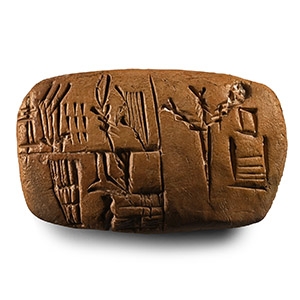
Proto-Sumerian Pictographic Tablet for Amounts of Barley
Uruk III, circa 3200-3000 B.C.Estimate: £3,000 - 4,000 (+bp*)
Opening Bid: £1,500
Rectangular tablet, lentoid in section, with surface divided into three panels, each with a proto-Sumerian legend in an early form of cuneiform script. 26.3 grams, 55 mm
From an important collection of a London gentleman, 1980-2000s. This lot has been checked against the Interpol Database of stolen works of art and is accompanied by search certificate number no.12243-220927. -
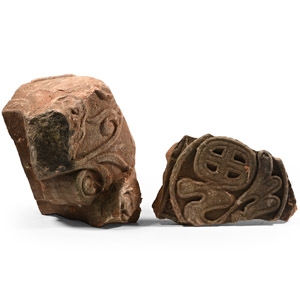
Western Asiatic Red Standstone Fragment Group
Circa 13th-14th century A.D.Sold for (Inc. bp): £52
Comprising two carved architectural fragments: a plaque with reserved foliage, and a corbel with leaves and tendrils. 4.79 kg total, 18 cm each
From a collection acquired on the UK art market from various auction houses and collections mostly before 2000. From an important Cambridgeshire estate; thence by descent.
