
Loading, please wait...
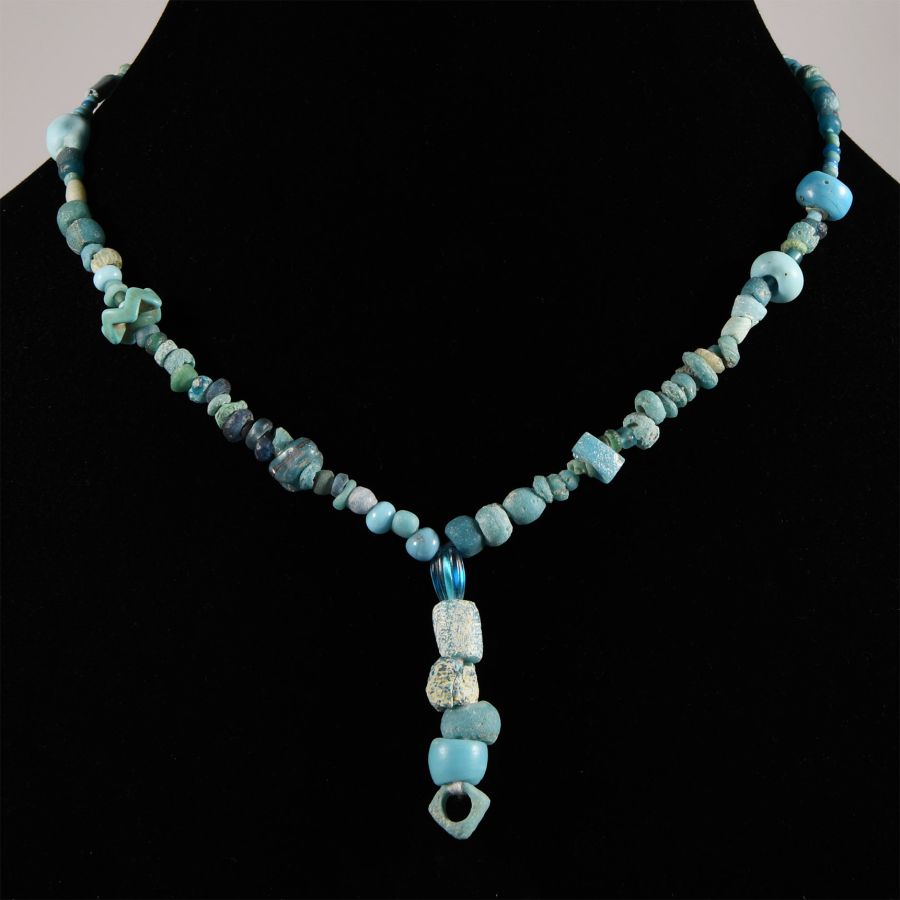
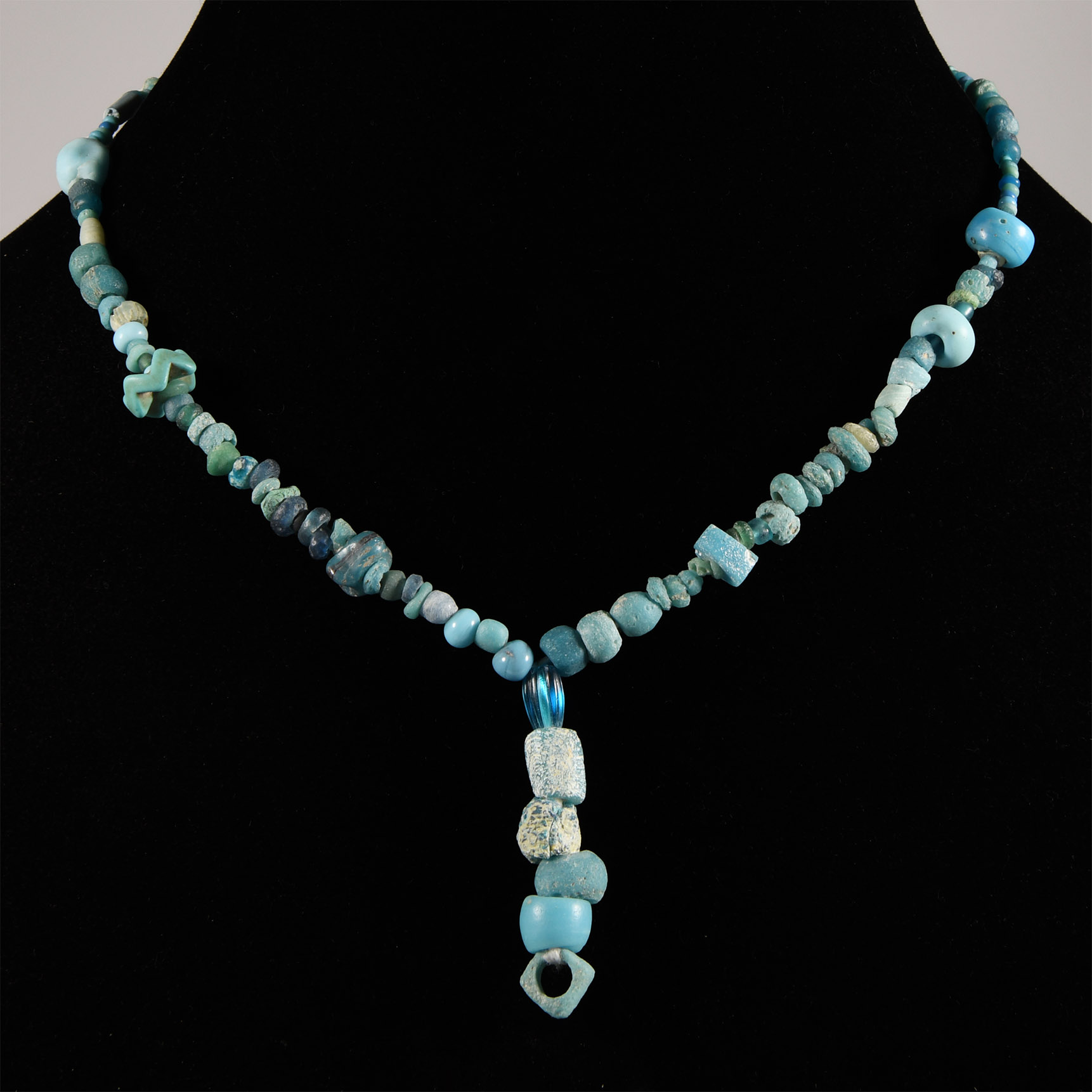
LOT 1301
Achaemenid Blue Glass Bead Necklace String
CIRCA 6TH-4TH CENTURY B.C.
24 in. (12.8 grams, 61 cm).
Restrung group of annular, oblate, melon and other beads. [No Reserve]
ProvenanceAcquired 1980-2015.
Ex Abelita family collection.
TimeLine Auctions follows a vetting process to ensure the authenticity and legality of all items, reinforcing our commitment to integrity and responsible trading. Each antiquity, antique, and coin lot undergoes thorough examination by a vetting committee of at least ten external specialists, professional trade association members, scientists, and archaeologists: Our Vetting Process
AUCTIONS:
TimeLine is a leading auction house specialising in antiquities, ancient art, collectables, natural history, coins, medals, and books. Our auctions offer museums, collectors, historians, and enthusiasts the opportunity to acquire unique and historically significant pieces.
-
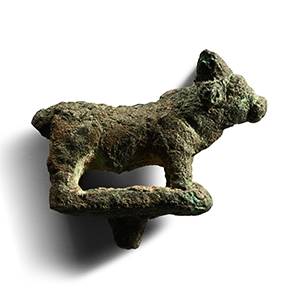
Anatolian Bronze Bull Statue
3rd-2nd millennium B.C.Estimate: £200 - 300 (‡+bp*)
Opening Bid: £100
Modelled standing on a rectangular base, stylised horn, face and coat detailing; tapering lug to underside. 76 grams, 54 mm
Acquired in Europe before 1998. -
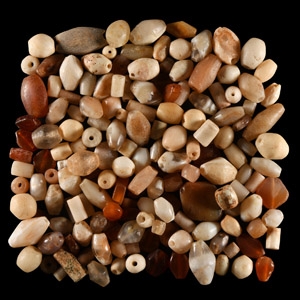
Western Asiatic Mixed Agate and Carnelian Bead Group
1st millennium B.C. and laterEstimate: £500 - 700 (+bp*)
Opening Bid: £250
Mainly bicones, oblates, rounded and barrel shapes. 272 grams total, 7-28 mm
Acquired 1980-2015. Ex Abelita family collection. -
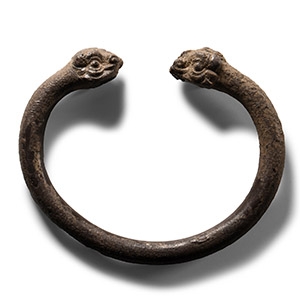
Late Achaemenid Silver Bracelet
Circa 4th-3rd century B.C.Sold for (Inc. bp): £585
Comprising a round-section penannular body with finely-modelled beast-head terminals, each with a pellet eye and scrolled nostrils. 78 grams, 75 mm
From the property of the late Mr SM, London, UK, 1969-1999. Accompanied by a previous catalogue information slip.
