
LOT 2633
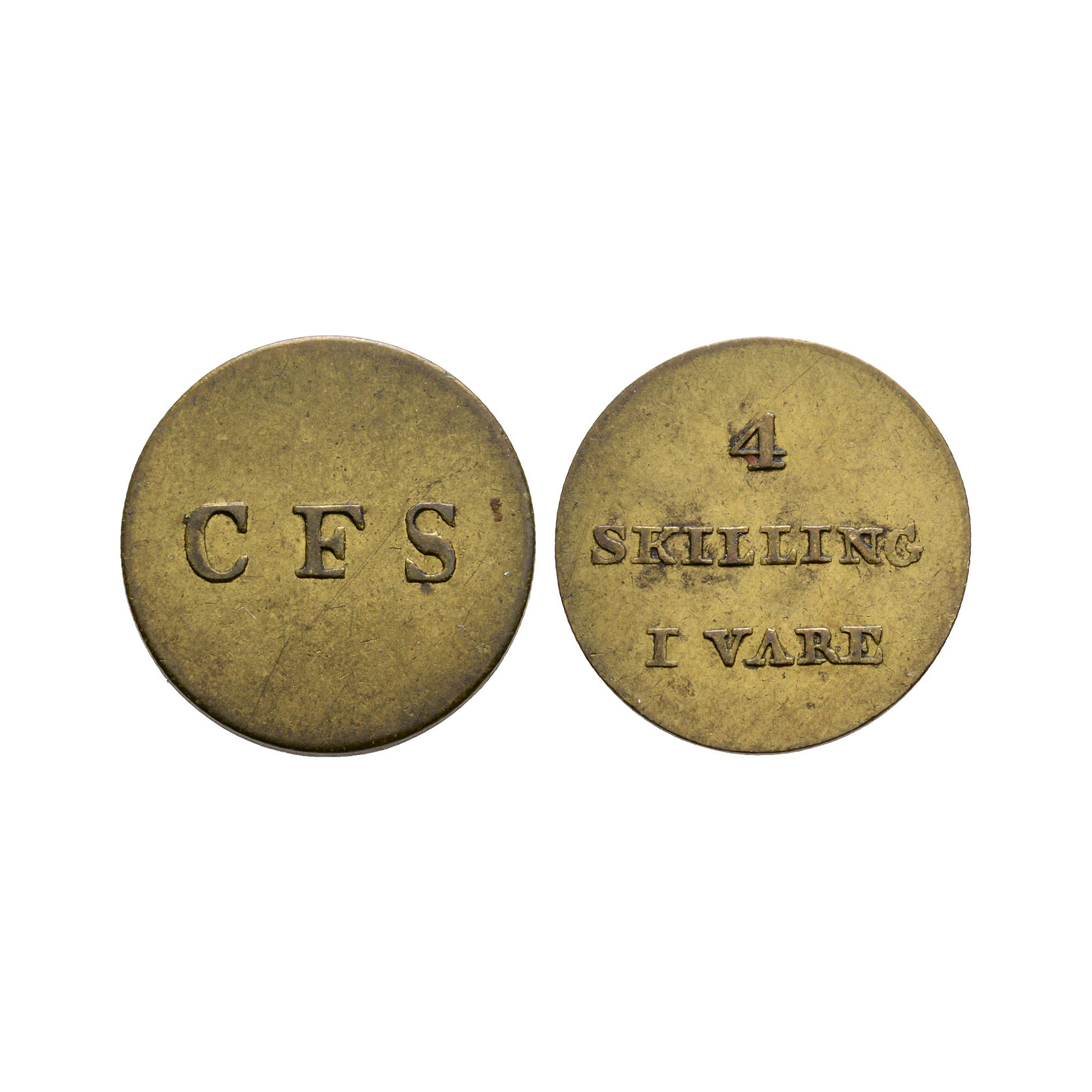
World Coins - Iceland - Siemsen - 1846 - Token 4 Skilling 1846 A.D.
Reykjavik. Obv: C F S across centre. Rev: 4 / SKILLING / I VARE in three lines. Extremely fine. Rare.(1.58 grams.). [No Reserve]
ProvenanceAcquired Surrey Auctions.
Property of a Kent gentleman.
KM# Tn8.
TimeLine Auctions follows a vetting process to ensure the authenticity and legality of all items, reinforcing our commitment to integrity and responsible trading. Each antiquity, antique, and coin lot undergoes thorough examination by a vetting committee of at least ten external specialists, professional trade association members, scientists, and archaeologists: Our Vetting Process
AUCTIONS:
TimeLine is a leading auction house specialising in antiquities, ancient art, collectables, natural history, coins, medals, and books. Our auctions offer museums, collectors, historians, and enthusiasts the opportunity to acquire unique and historically significant pieces.
LOT 2633
World Coins - Iceland - Siemsen - 1846 - Token 4 Skilling
Estimate £50 - 70€58 - 81 (for guidance only)$68 - 95 (for guidance only)
-
.jpg)
World Coins - Islamic - Abbasid Governors of Tabaristan - AR Dirham Circa 190 h.
Sold for (Inc. bp): £39
Obv: profile bust with inscriptions. Rev: fire altar with inscriptions. 2.21 grams.
Extremely fine.
Property of a North London gentleman. -
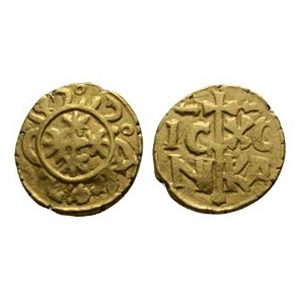
World Coins - Normans of Sicily - Gold Tari 12th century A.D. or later
Sold for (Inc. bp): £546
Obv: cross with star ends with border. Rev: long stemmed cross dividing IC - XC above NI - KA. 1.25 grams.
Very fine.
Acquired before 2000. From a Brockenhurst gentleman, Hampshire, UK. Property of a Harrow, UK gentleman. -
![World Coins - Turkey - AR Coin Group [3]](https://timelineauctions.com/upload/images/items/small/204492-s.jpg)
World Coins - Turkey - AR Coin Group [3] 1808-1909 A.D.
Sold for (Inc. bp): £46
Group comprising: 1½ piastres, 1808, year 29 (1327h); 2 piastres, 1876, year 33 (1293h); 10 para, 1909, year 5 (1327h) 7.72 grams total.
Good fine; two pierced.
Property of a Berkshire, UK, gentleman.
