
Loading, please wait...
LOT 2465
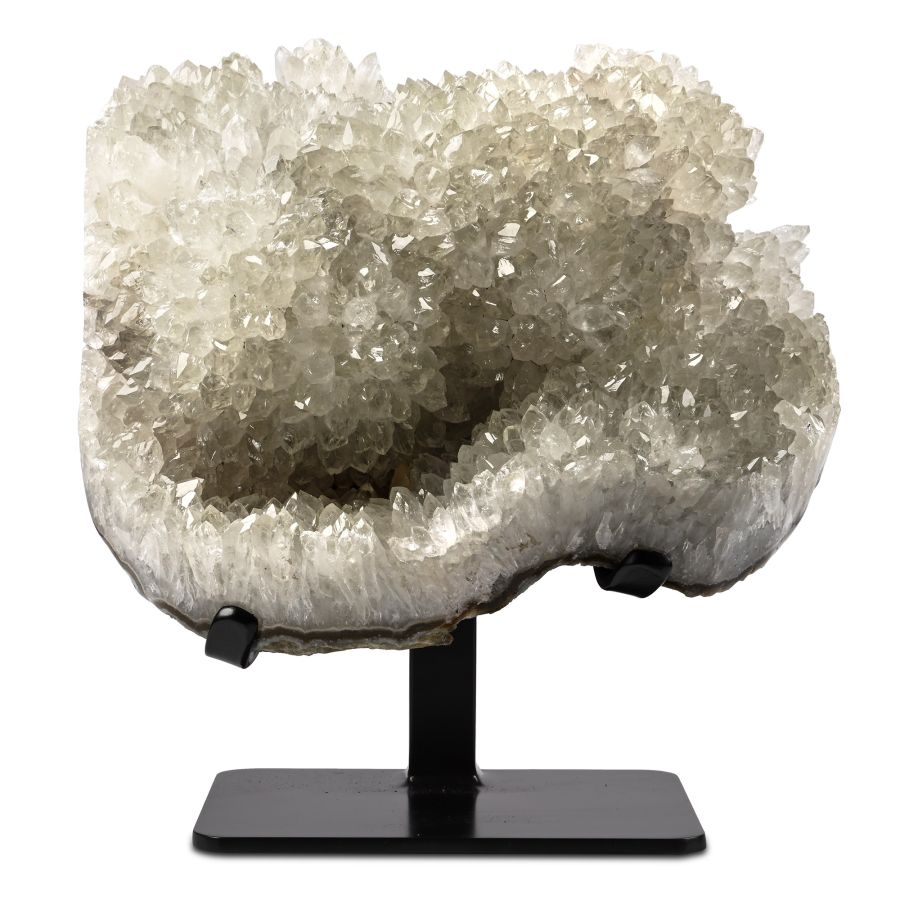
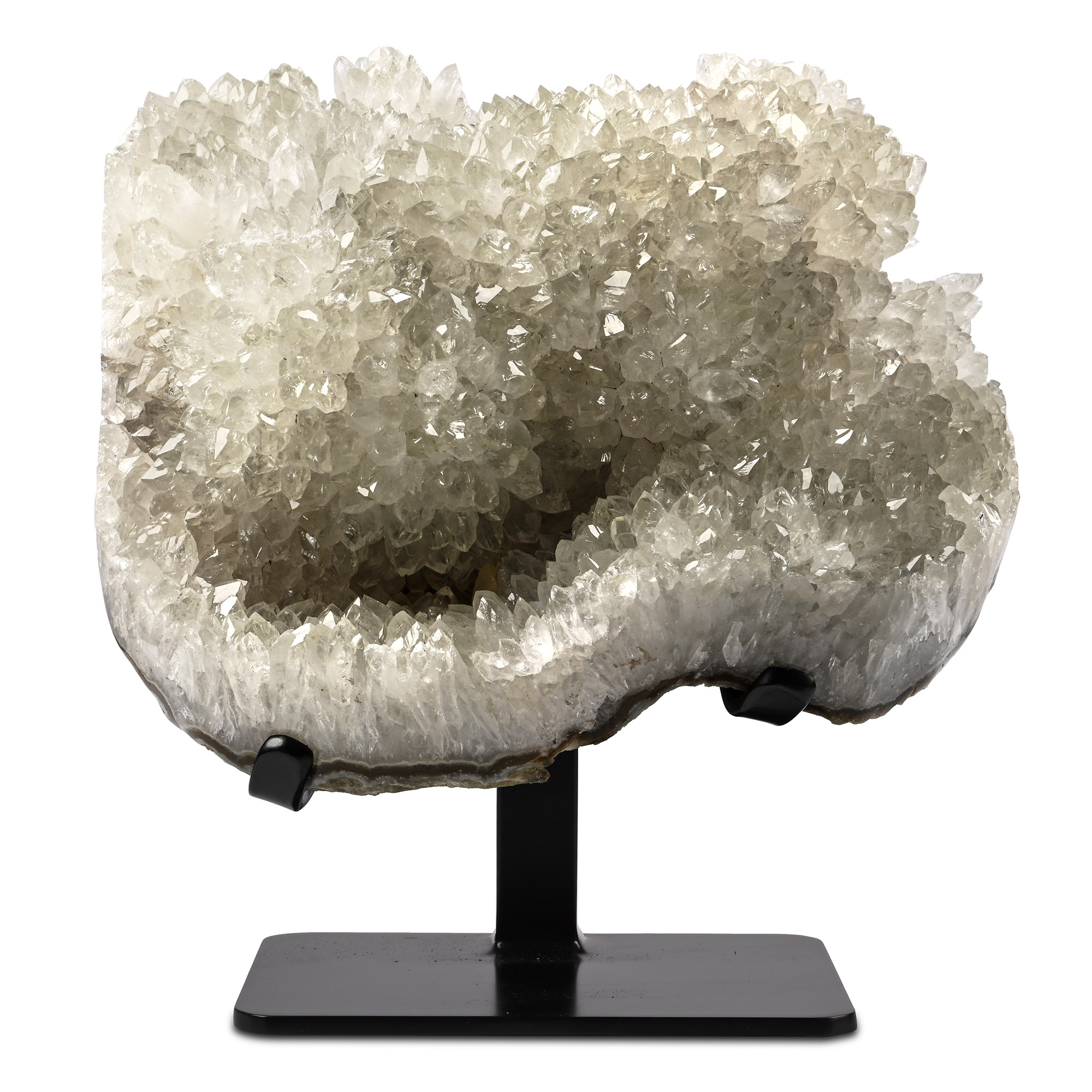
White Quartz Crystal Display
CRETACEOUS PERIOD, CIRCA 140-120 MILLION YEARS B.P.
11 3/4 x 13 3/8 x 9, 13 3/4 in. (16.4 kg, 30 x 34 x 23 cm, 35 cm including stand).
A polished geode section with large prismatic quartz crystals in flower-like radiating clusters; mounted on a custom-made display stand.
ProvenanceFrom Artigas, Uruguay.
Property of a London lady.
TimeLine Auctions follows a vetting process to ensure the authenticity and legality of all items, reinforcing our commitment to integrity and responsible trading. Each antiquity, antique, and coin lot undergoes thorough examination by a vetting committee of at least ten external specialists, professional trade association members, scientists, and archaeologists: Our Vetting Process
AUCTIONS:
TimeLine is a leading auction house specialising in antiquities, ancient art, collectables, natural history, coins, medals, and books. Our auctions offer museums, collectors, historians, and enthusiasts the opportunity to acquire unique and historically significant pieces.
LOT 2465
White Quartz Crystal Display
Estimate £1,000 - 1,400€1,160 - 1,620 (for guidance only)$1,350 - 1,890 (for guidance only)
-
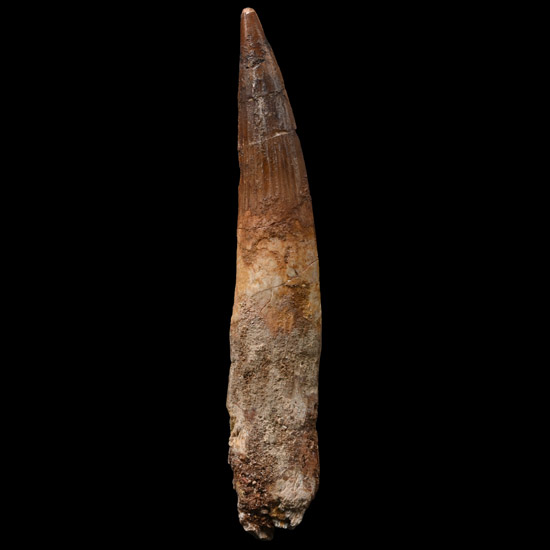
Very Large Spinosaurus Dinosaur Fossil Tooth
Cretaceous Period, circa 125-113 million years B.P.Sold for (Inc. bp): £169
Conical tooth with root; repaired. 43.1 grams, 12.5 cm
From a Lincolnshire, UK, collection.
The Spinosaurus was both a beachcomber-type scavenger and an active hunter, taking small stranded Plesiosaurs, Pterosaurs, turtles and large fish; adults weighed up to 21 tonnes and grew up to 18 meters long. -
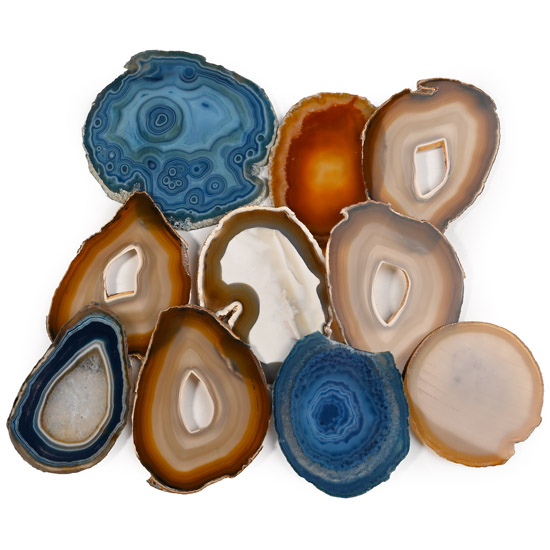
Group of Ten [10] Cut and Polished Agate Geode Slices
Sold for (Inc. bp): £78
Comprising ten polished transparent to translucent slices, one showing interesting 'eye' formations, some with enhanced colouring. 593 grams total, 7.9-11.5 cm
From Brazil. Ex Mineral Imports, London, UK. Gregory, Bottley & Lloyd (Gregory's), Harwich, UK. -
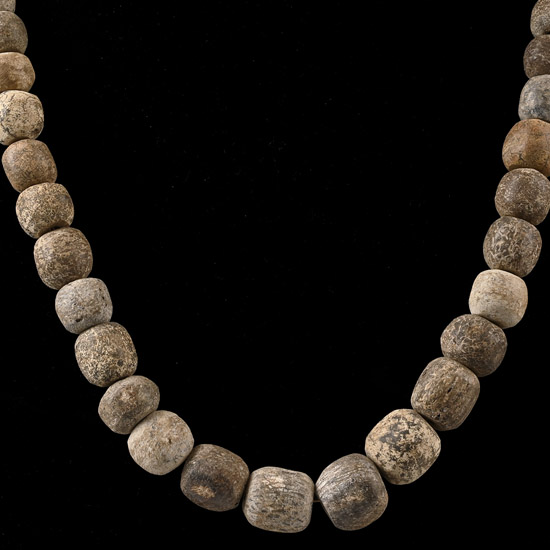
Woolly Mammoth Bone Bead Necklace String
Pleistocene Epoch, 2.6 million-11,700 years B.P.Sold for (Inc. bp): £59
Restrung, using recently polished Mammuthus primigenius spherical bone beads. 160 grams, 60 cm
Ex Ancient Art Shop, Windsor, UK, 1990s. Ex private West County, UK, collection.
The mammoth lineage branched from the Asian elephant around 6 million years ago, and later on, the Woolly Mammoth, Mammuthus primigenius, evolved in eastern Siberia. Woolly mammoths, being slightly smaller than living African elephants, were foragers and ate grass, as well as small, nutritious flowering plants that flourished in the environment where they lived. They may also have used their curved tusks to dig through snow and eat plants that other foragers were unable to reach.
