
Loading, please wait...
LOT 1398
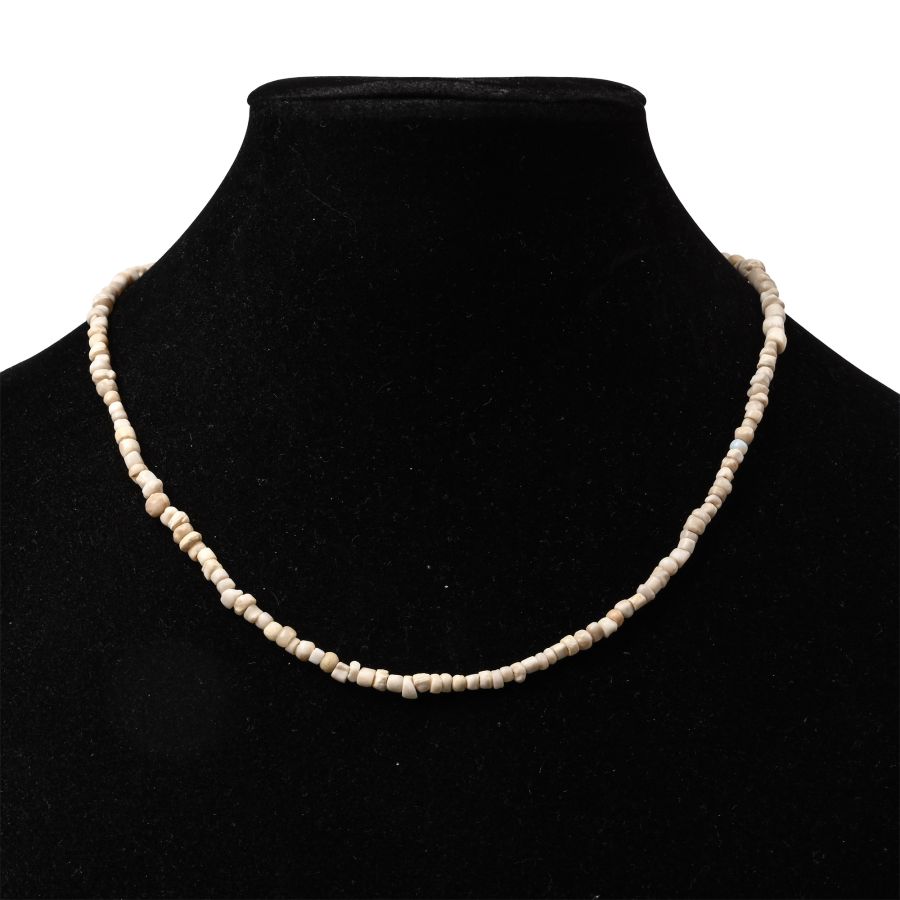
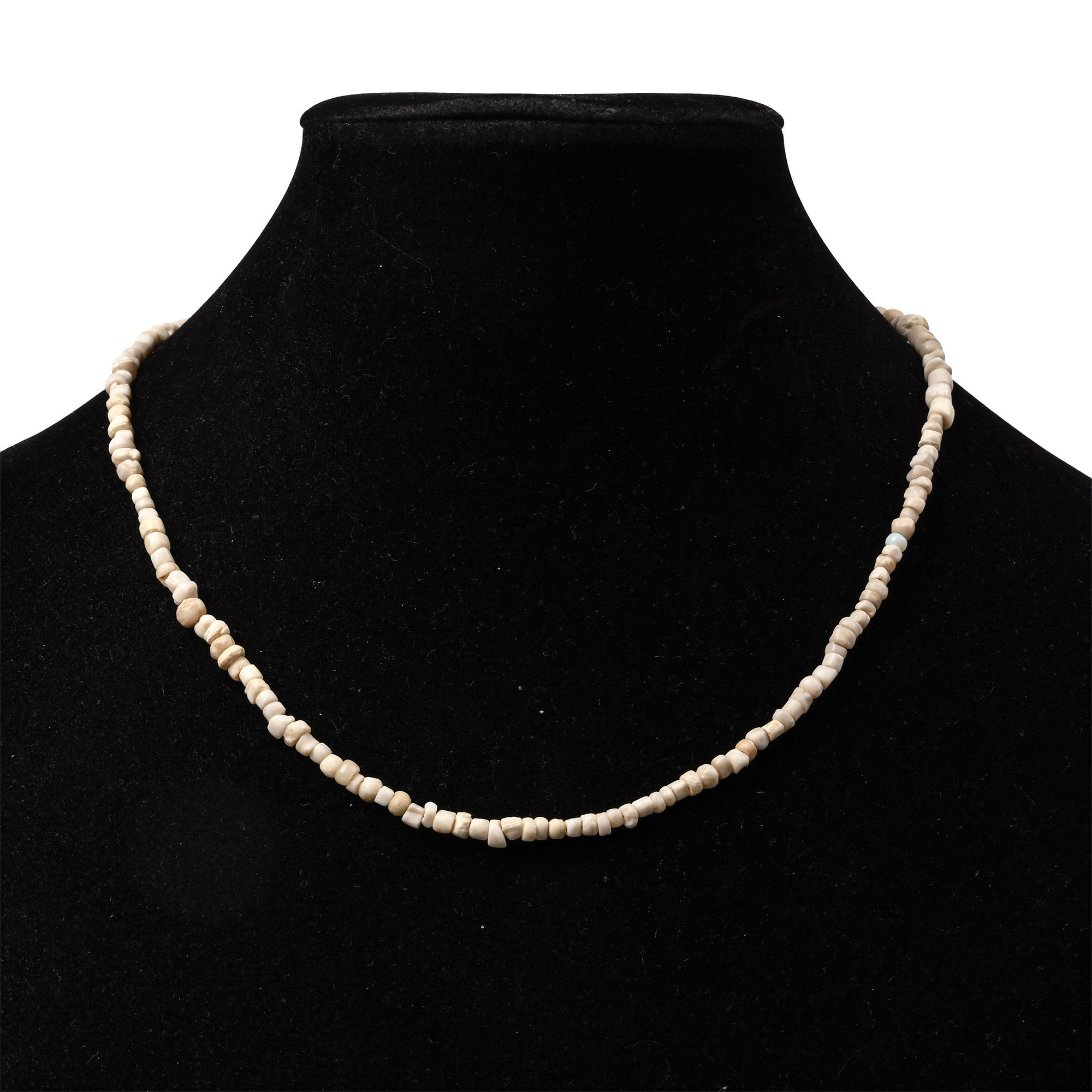
Western Asiatic White Stone Bead Necklace String
1ST MILLENNIUM B.C. AND LATER
15 3/8 in. (11.9 grams, 39 cm).
Composed mainly of oblate and tubular beads, restrung. [No Reserve]
ProvenanceEx London, UK, collection, 1990s.
CONDITIONTimeLine Auctions follows a vetting process to ensure the authenticity and legality of all items, reinforcing our commitment to integrity and responsible trading. Each antiquity, antique, and coin lot undergoes thorough examination by a vetting committee of at least ten external specialists, professional trade association members, scientists, and archaeologists: Our Vetting Process
AUCTIONS:
TimeLine is a leading auction house specialising in antiquities, ancient art, collectables, natural history, coins, medals, and books. Our auctions offer museums, collectors, historians, and enthusiasts the opportunity to acquire unique and historically significant pieces.
-
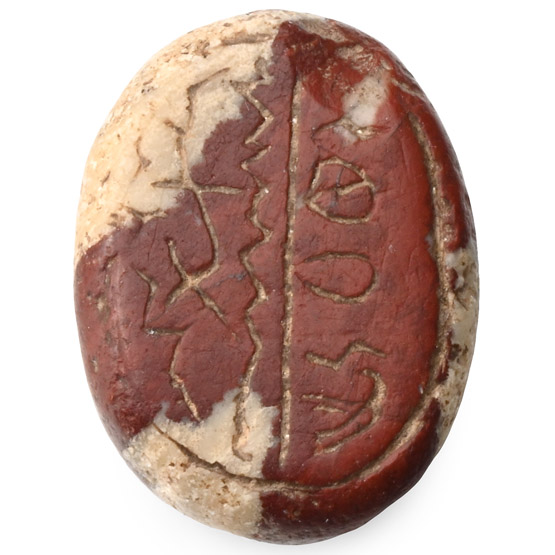
Western Asiatic Red and White Jasper Scaraboid with Semitic Inscription
1st millennium B.C.Sold for (Inc. bp): £156
Plano-convex in section with longitudinal piercing; underside with incised border and tondo in two registers with five characters. 4.41 grams, 19 mm
London, UK, art market, 1980s. Private collection, London, UK. -
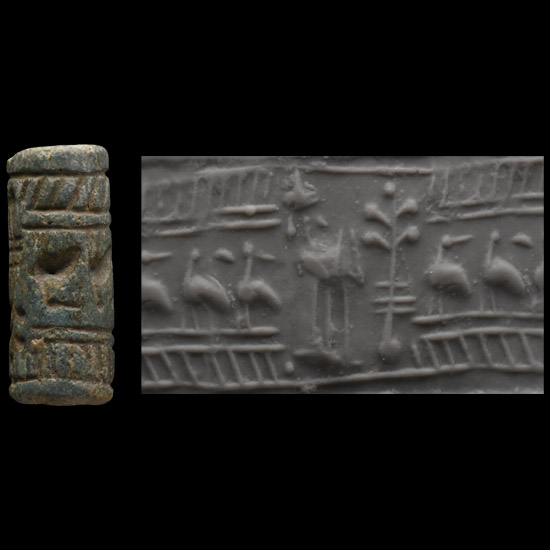
Mitanni Faience Cylinder Seal with Birds and Palm Tree
Circa 1400 B.C.Sold for (Inc. bp): £182
Cylinder with hatched borders, three standing birds facing back towards a standing figure, tree behind; supplied with a museum-quality impression. 1.8 grams, 23 mm
From a late Warwickshire numismatic collector, his collection formed from the early 1980s. -
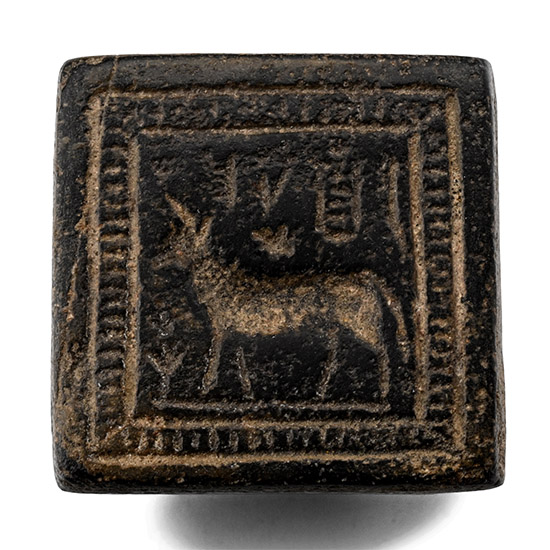
Western Asiatic Stone Stamp Seal with Inscription
1st millennium B.C.Estimate: £350 - 450 (+bp*)
Opening Bid: £180
Pierced tapering handle to reverse, billeted border enclosing profile standing bull and legend in Indus Valley script. 21.1 grams, 28 mm
From the London collection of the late Mr S.M., 1969-1999.
