
Loading, please wait...
LOT 0283
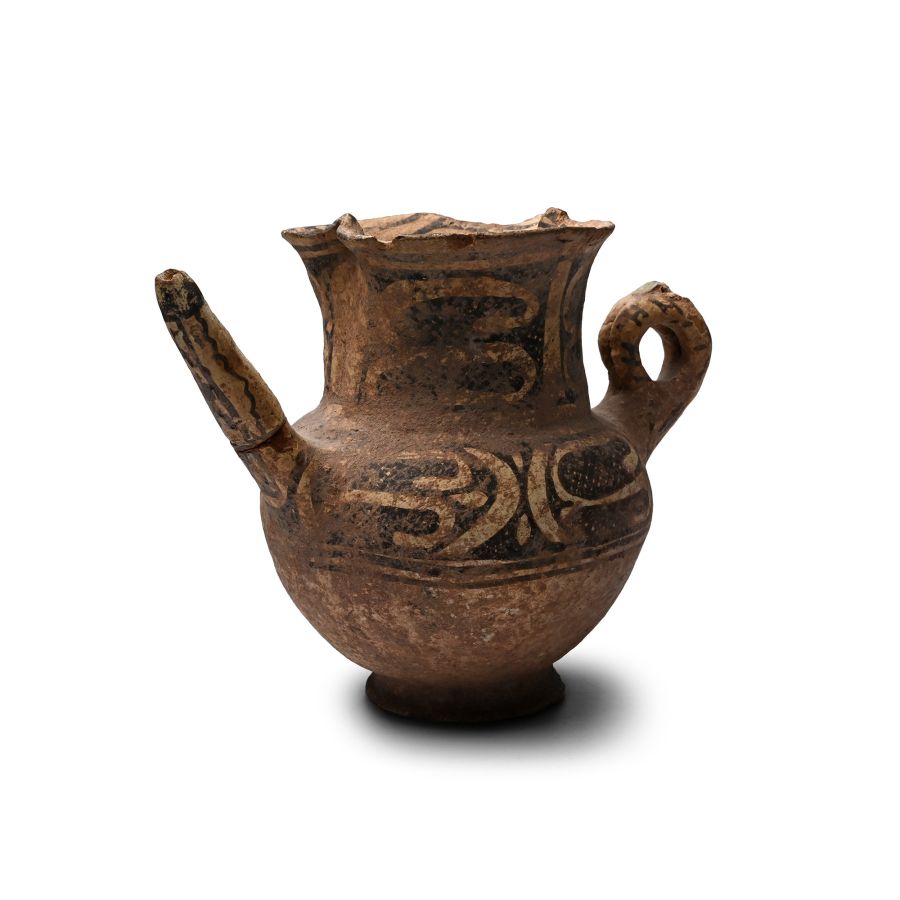
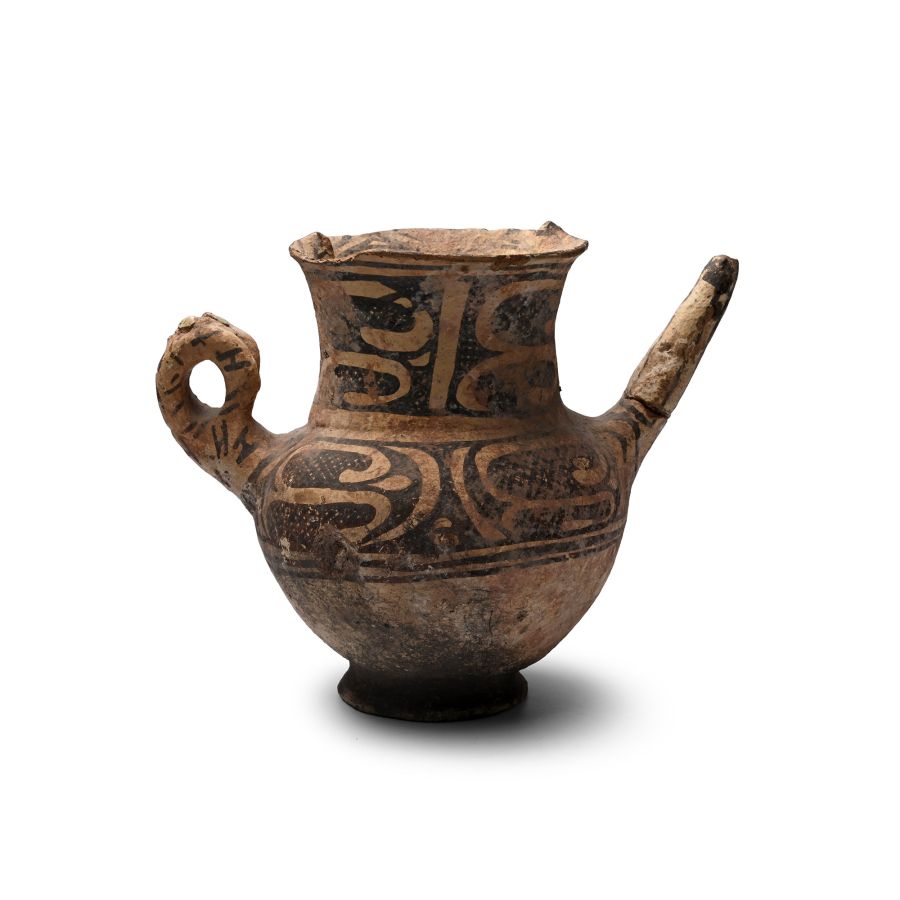
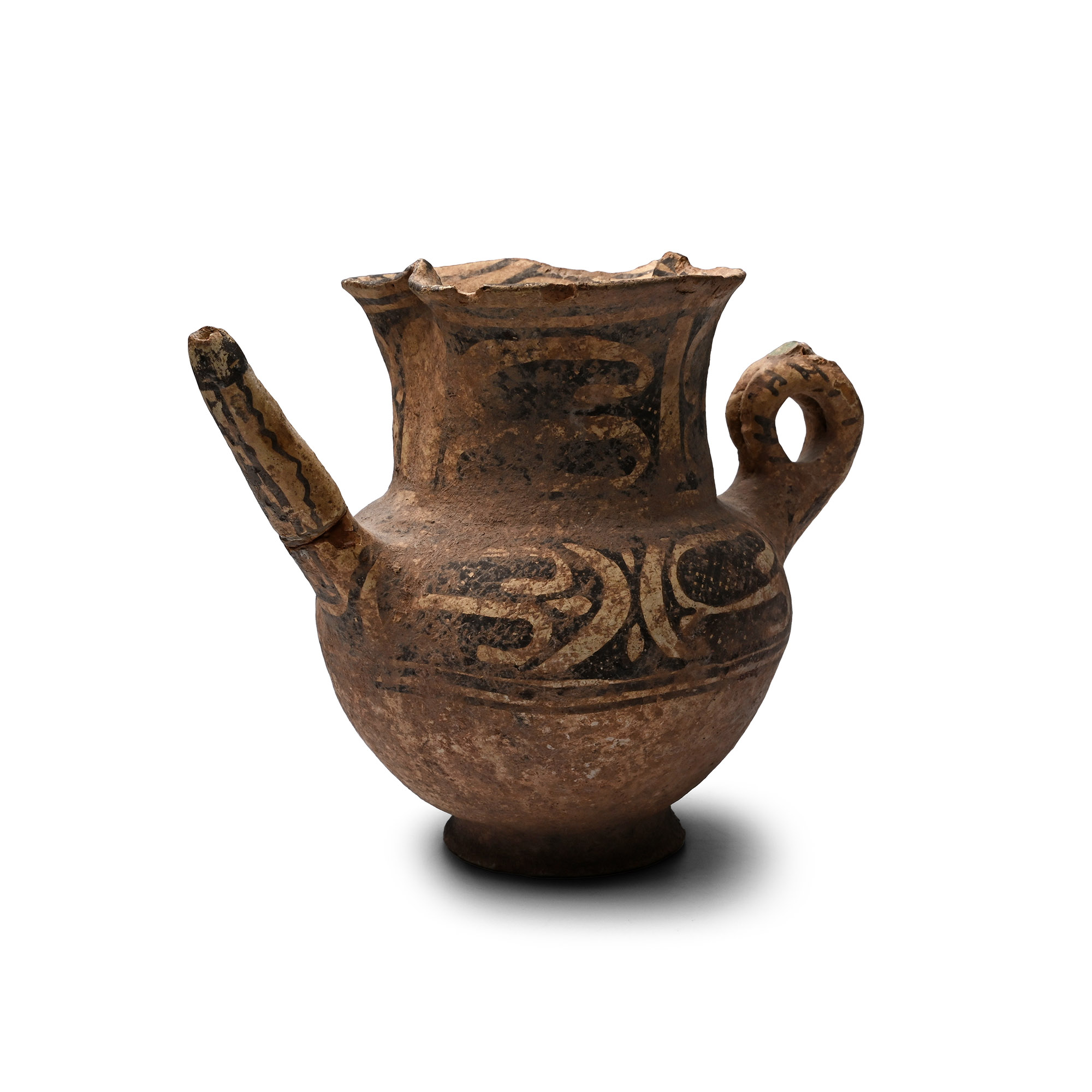
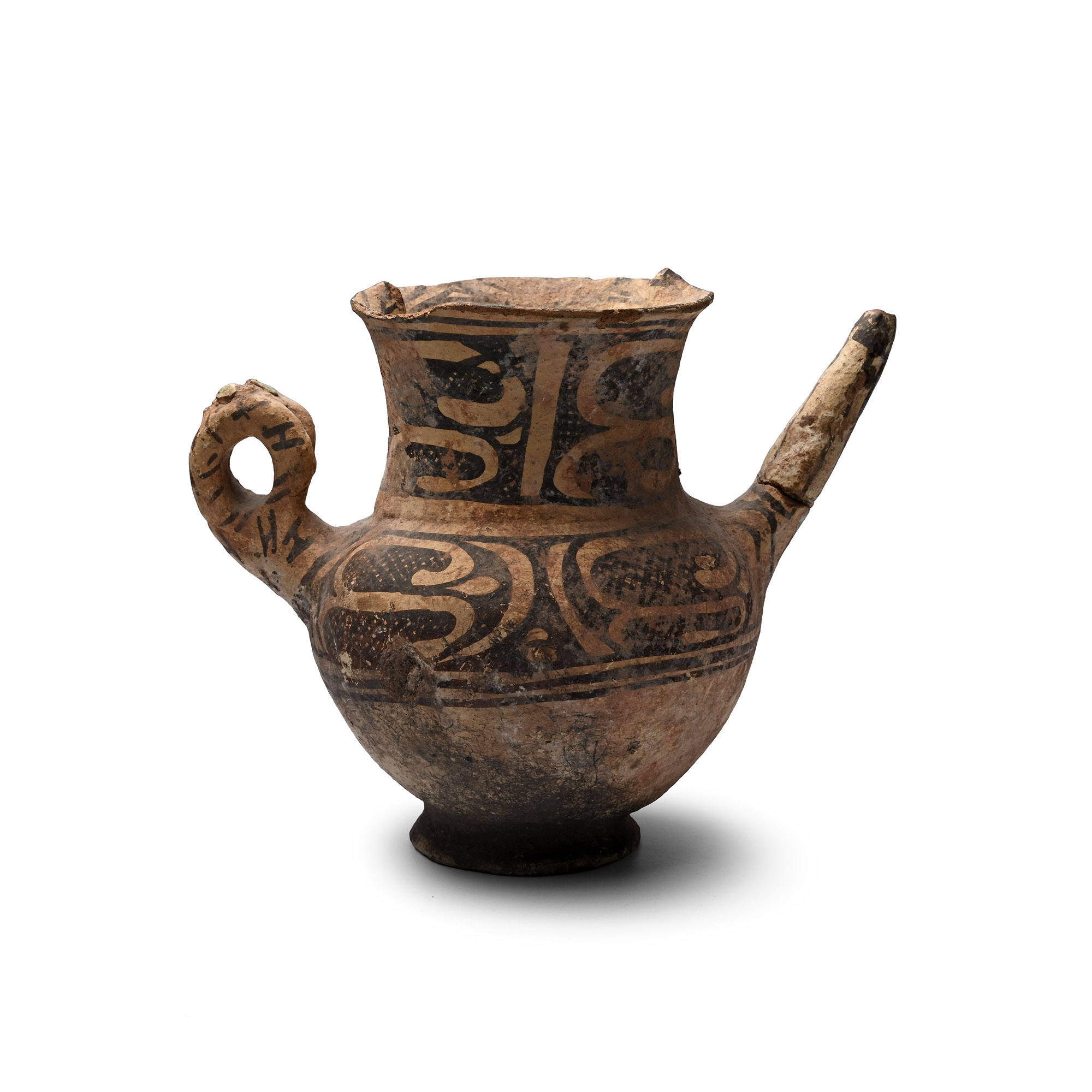
Western Asiatic Terracotta Spouted Vessel
8TH-9TH CENTURY A.D.
7 1/4 in. (523 grams, 18.5 cm wide).
With bulbous body, looped handle and tapering spout, broad columnar neck with crimped detailing, bands of reserved tendrils on a hatched field.
ProvenanceUK collection, 1990s.
Acquired on the UK art market, before 2000.
Private collection, Mr M.V., a London-based businessman.
This lot has been cleared against the Art Loss Register database, and is accompanied by an illustrated lot declaration signed by the Head of the Antiquities Department, Dr Raffaele D'Amato.
TimeLine Auctions follows a vetting process to ensure the authenticity and legality of all items, reinforcing our commitment to integrity and responsible trading. Each antiquity, antique, and coin lot undergoes thorough examination by a vetting committee of at least ten external specialists, professional trade association members, scientists, and archaeologists: Our Vetting Process
AUCTIONS:
TimeLine is a leading auction house specialising in antiquities, ancient art, collectables, natural history, coins, medals, and books. Our auctions offer museums, collectors, historians, and enthusiasts the opportunity to acquire unique and historically significant pieces.
LOT 0283
Western Asiatic Terracotta Spouted Vessel
Estimate £400 - 600€460 - 700 (for guidance only)$540 - 810 (for guidance only)
-
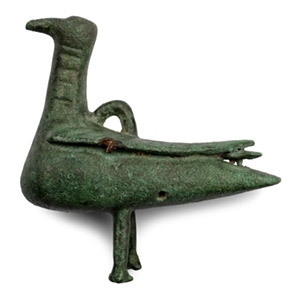
Large Amlash Bronze Bird Pendant
Circa 1200-1000 B.C.Estimate: £500 - 700 (+bp*)
Opening Bid: £250
Modelled in the round with loop to the shoulder, heart-shaped wings, hatched detailing. 208 grams, 82 mm
Private collection of Mr K.A., acquired in the 1990s-early 2000s. This lot has been cleared against the Art Loss Register database, and is accompanied by an illustrated lot declaration signed by the Head of the Antiquities Department, Dr Raffaele D'Amato. -
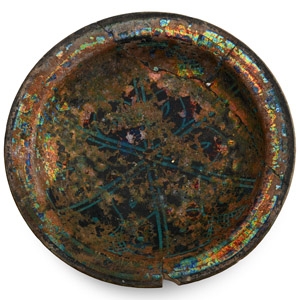
Seljuk Glazed Bowl with Fine Iridescence
12th century A.D.Sold for (Inc. bp): £247
Shallow with flat everted rim and raised low foot; turquoise glaze with black foliage and geometric decoration, fine iridescence; repaired. 303 grams, 18.4 cm
From the private family collection of Ersula Barter-Hemmerich, the longest serving member of staff working at the United Nations, her private collection formed in the 1950s and 1960s; thence by descent to her grandson. This lot has been cleared against the Art Loss Register database, and is accompanied by an illustrated lot declaration signed by the Head of the Antiquities Department, Dr Raffaele D'Amato. -
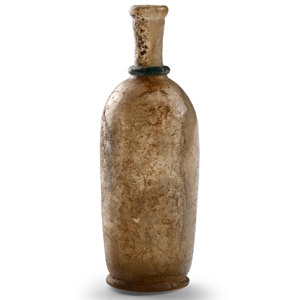
Western Asiatic Glass Perfume Bottle
11th-14th century A.D.Sold for (Inc. bp): £111
Slender jar with applied disc base and gently flared neck with rolled rim, applied collar in bottle-green glass. 27.2 grams, 93 mm.
with a London, UK gallery 1971-early 2000s. This lot has been cleared against the Art Loss Register database, and is accompanied by an illustrated lot declaration signed by the Head of the Antiquities Department, Dr Raffaele D'Amato.
