
Loading, please wait...
LOT 1519
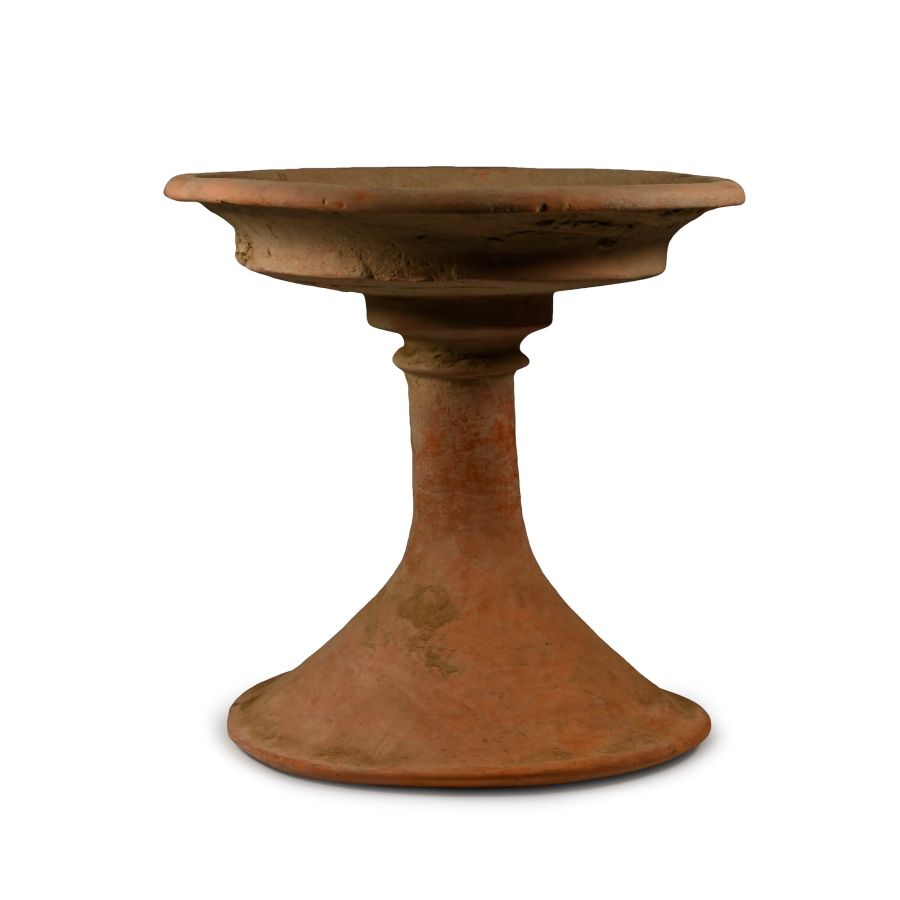
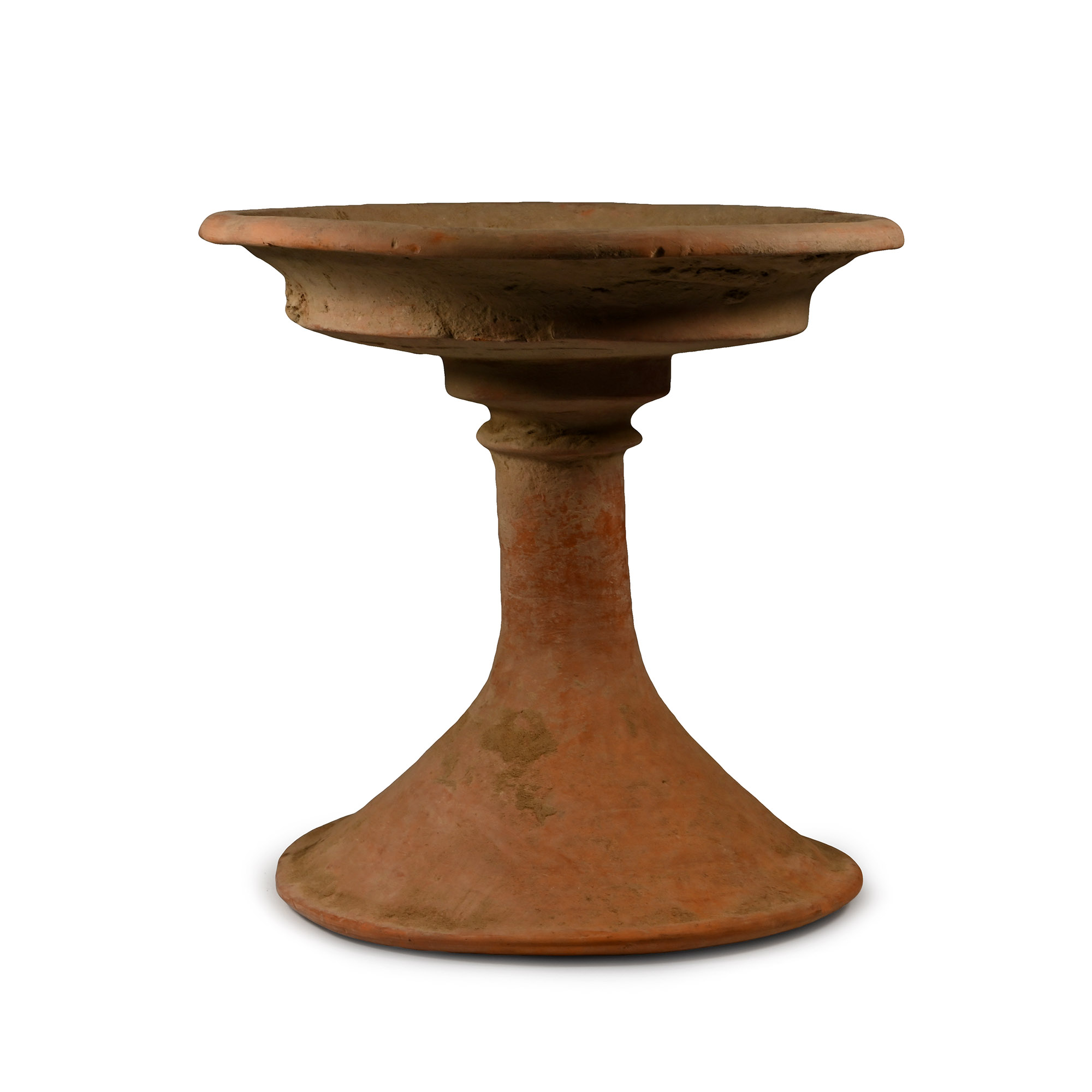
Western Asiatic Terracotta Jar
1ST MILLENNIUM B.C.
12 1/2 in. (4.65 kg, 32 cm).
Comprising a trumpet-shaped base, balustered stem, broad dish with rolled rim.
ProvenanceFrom the collection of a London, UK, gentleman, 1990s.
This lot has been cleared against the Art Loss Register database, and is accompanied by an illustrated lot declaration signed by the Head of the Antiquities Department, Dr Raffaele D'Amato.
TimeLine Auctions follows a vetting process to ensure the authenticity and legality of all items, reinforcing our commitment to integrity and responsible trading. Each antiquity, antique, and coin lot undergoes thorough examination by a vetting committee of at least ten external specialists, professional trade association members, scientists, and archaeologists: Our Vetting Process
AUCTIONS:
TimeLine is a leading auction house specialising in antiquities, ancient art, collectables, natural history, coins, medals, and books. Our auctions offer museums, collectors, historians, and enthusiasts the opportunity to acquire unique and historically significant pieces.
-
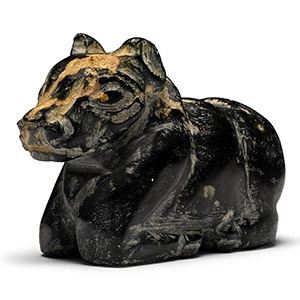
Western Asiatic Black Stone Recumbent Bull
1st millennium B.C. or laterEstimate: £1,000 - 1,400 (+bp*)
Opening Bid: £300
Carved in the round with its legs tucked underneath the body, stylised head with large almond-shaped eyes and incised details to the muzzle, large hump to the neck. 86 grams, 59 mm
From a collection formed before 1988, London and Geneva. This lot has been cleared against the Art Loss Register database, and is accompanied by an illustrated lot declaration signed by the Head of the Antiquities Department, Dr Raffaele D'Amato. -
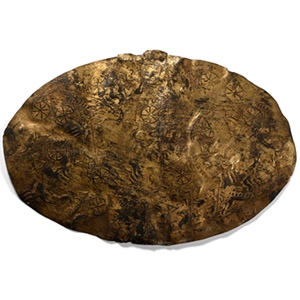
Western Asiatic Gilt Bronze Sheet with Chariots
3rd-2nd century B.C.Sold for (Inc. bp): £182
Ellipsoid in plan with a hunting scene of multiple stamped images of wheeled chariots pulled by goats, radiate-headed charioteers with recurved bows, and other motifs and legend 'BAC....A....'. 24 grams, 14.1 cm
UK private collection before 2000. Acquired on the UK art market. Property of a London, UK, gentleman. This lot has been cleared against the Art Loss Register database, and is accompanied by an illustrated lot declaration signed by the Head of the Antiquities Department, Dr Raffaele D'Amato. -
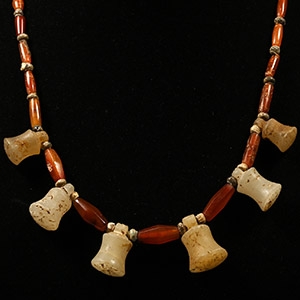
Elamite Carnelian Necklace with Stamp Seals
Late 2nd-early 1st millennium B.C.Sold for (Inc. bp): £2,340
Restrung necklace of tubular and fusiform carnelian beads with annular spacers; drum-shaped dangles each with an incuse motif to the underside. 78 grams, 53 cm long
Acquired before 1983. Ex London gallery, 1990s. This lot has been checked against the Interpol Database of stolen works of art and is accompanied by a search certificate number no.12537-231965. This lot has been cleared against the Art Loss Register database, and is accompanied by an illustrated lot declaration signed by the Head of the Antiquities Department, Dr Raffaele D'Amato.
