
Loading, please wait...
LOT 0225
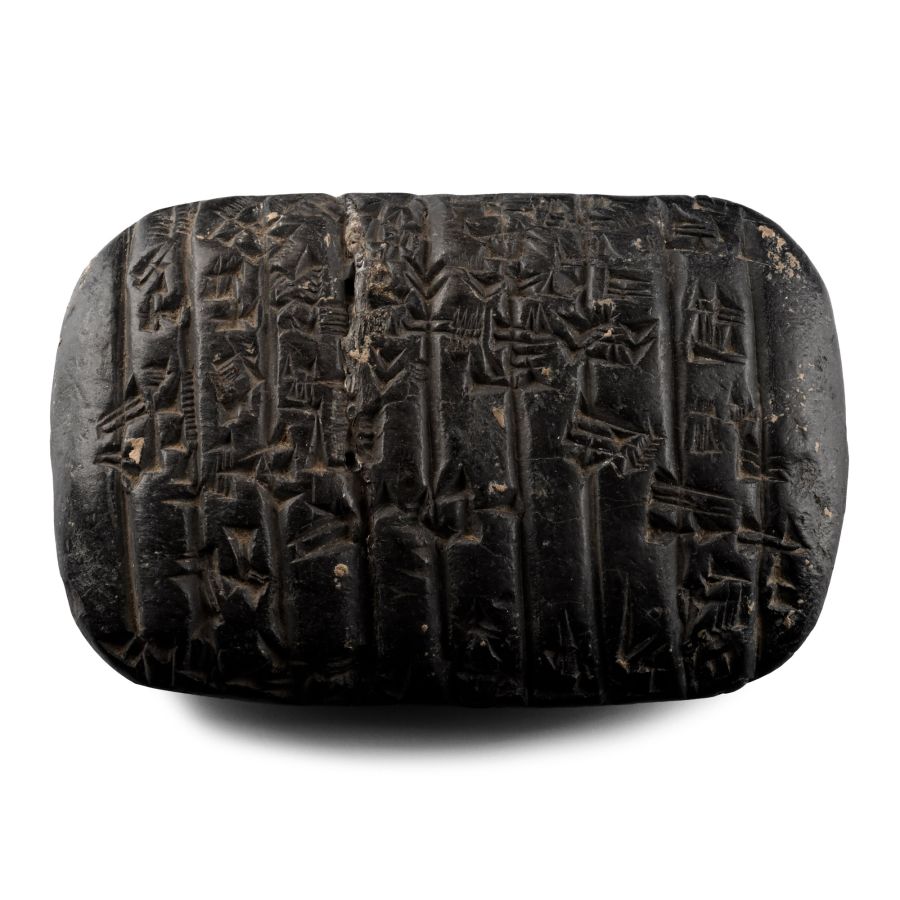
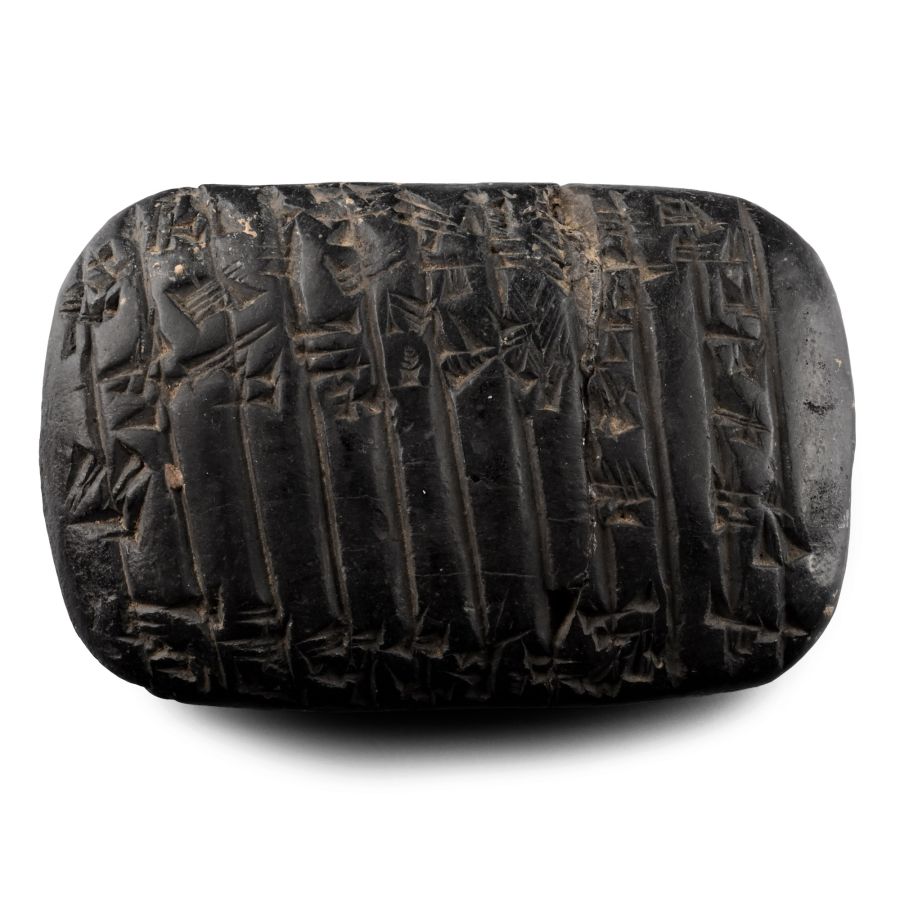
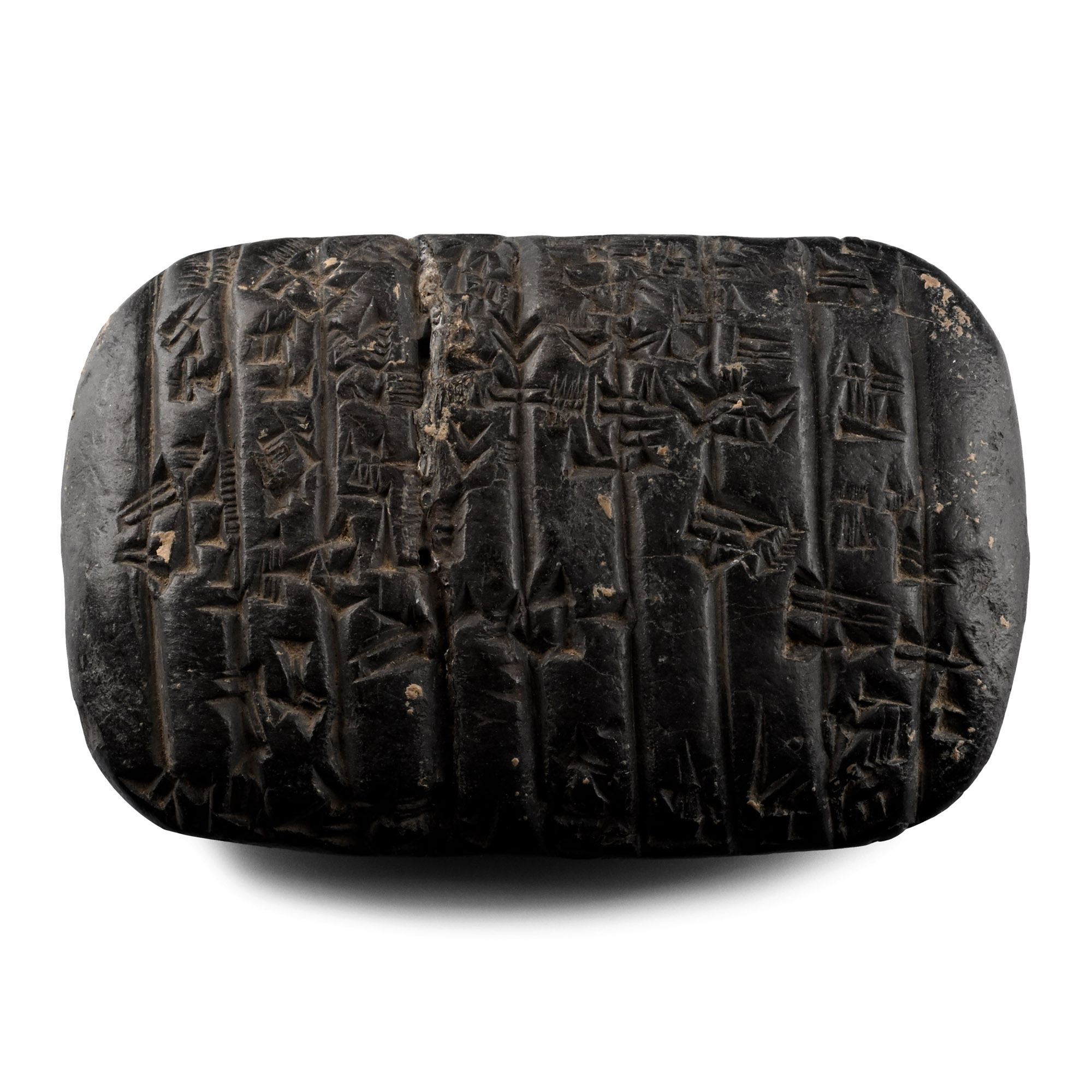
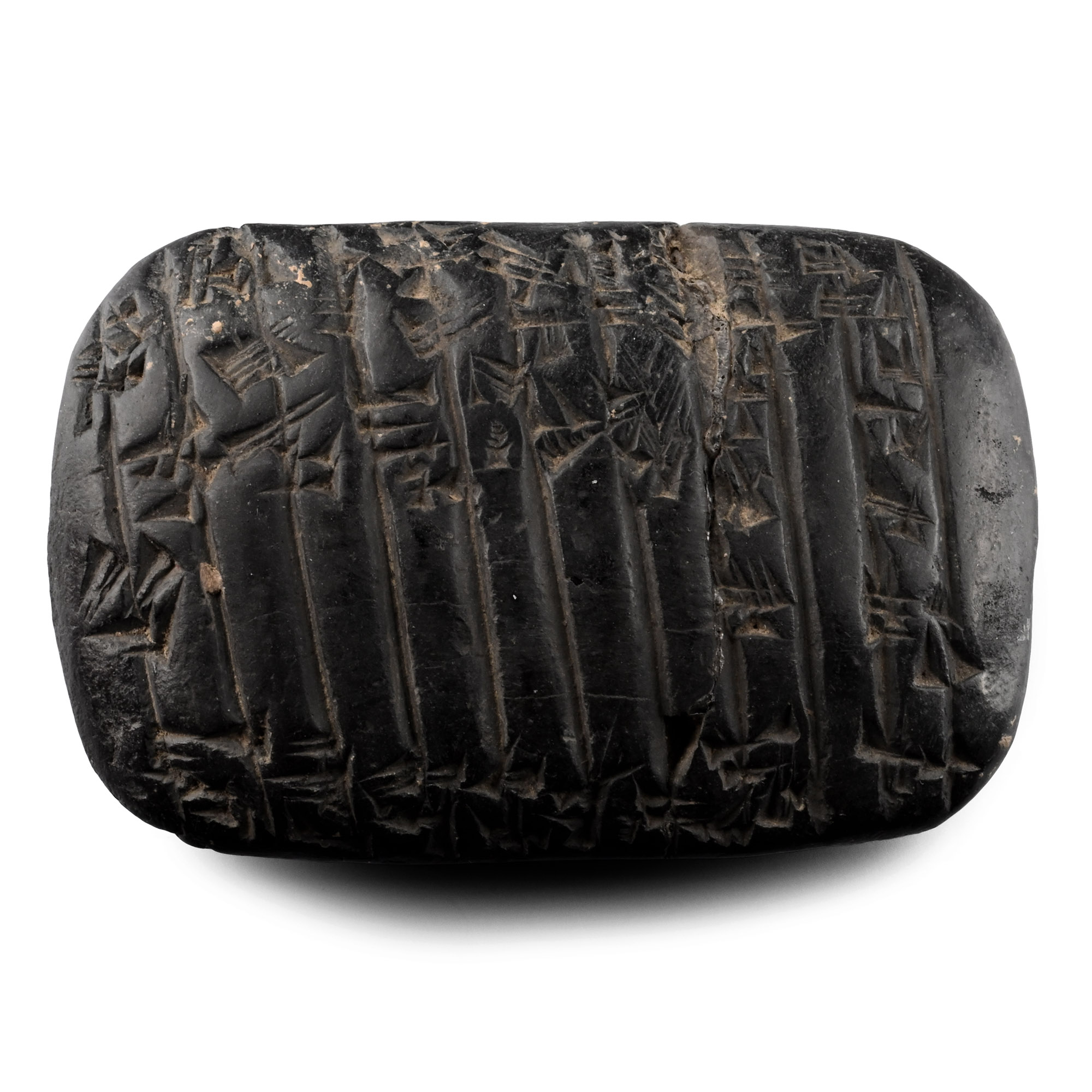
Western Asiatic Terracotta Cuneiform Tablet
2ND MILLENNIUM B.C.
2 1/2 in. (57.2 grams, 63 mm).
Pillow-shaped with columnar ribbing to the broad faces, dense cuneiform text in the columns.
ProvenancePrivate collection of Mr K., Maryland, USA.
Private collection, Switzerland, acquired in 2000.
This lot has been checked against the Interpol Database of stolen works of art and is accompanied by a search certificate number no.12893-241757.
This lot has been cleared against the Art Loss Register database, and is accompanied by an illustrated lot declaration signed by the Head of the Antiquities Department, Dr Raffaele D'Amato.
TimeLine Auctions follows a vetting process to ensure the authenticity and legality of all items, reinforcing our commitment to integrity and responsible trading. Each antiquity, antique, and coin lot undergoes thorough examination by a vetting committee of at least ten external specialists, professional trade association members, scientists, and archaeologists: Our Vetting Process
AUCTIONS:
TimeLine is a leading auction house specialising in antiquities, ancient art, collectables, natural history, coins, medals, and books. Our auctions offer museums, collectors, historians, and enthusiasts the opportunity to acquire unique and historically significant pieces.
LOT 0225
Western Asiatic Terracotta Cuneiform Tablet
Estimate £2,000 - 3,000€2,320 - 3,480 (for guidance only)$2,700 - 4,050 (for guidance only)
-
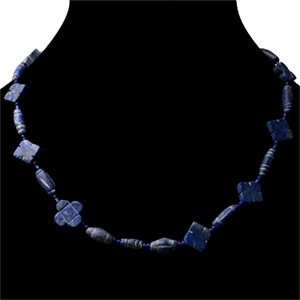
Western Asiatic Lapis Lazuli Bead Necklace String
20th century A.D.Sold for (Inc. bp): £13
Composed of alternating tabular flower-shaped and grooved cylindrical beads interspersed with small glass oblate beads; restrung. 29.09 grams, 43.5 cm
From the London, UK, art market in the 1990s. This lot has been cleared against the Art Loss Register database, and is accompanied by an illustrated lot declaration signed by the Head of the Antiquities Department, Dr Raffaele D'Amato. -
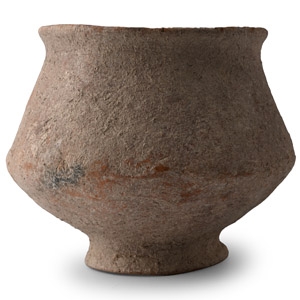
Mesopotamian Stone Vessel
1st millennium B.C.Sold for (Inc. bp): £143
Biconvex in profile with flared foot and everted rim to the mouth. 434 grams, 11.2 cm wide
From a collection formed before 1990. Ex Mayfair, London, UK, gallery, 2000s. This lot has been cleared against the Art Loss Register database, and is accompanied by an illustrated lot declaration signed by the Head of the Antiquities Department, Dr Raffaele D'Amato. -
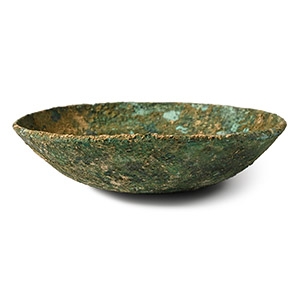
Luristan Bronze Dish
Circa 6th century B.C.Sold for (Inc. bp): £65
With hemispherical body raised from a single sheet. 167 grams, 11.1 cm
Ex London, UK, collections, 1990s-2000s. This lot has been cleared against the Art Loss Register database, and is accompanied by an illustrated lot declaration signed by the Head of the Antiquities Department, Dr Raffaele D'Amato.
The people of Luristan were nomads, constantly moving in summer and winter pastures, and needed metal utensils and tools. Therefore, in addition to weapons, these excellent metal workers produced, in considerable numbers, light and elegant bronze vases and cups. The Luristan vessels show how strongly specialised were the forms of these objects.
