
Loading, please wait...
LOT 1199
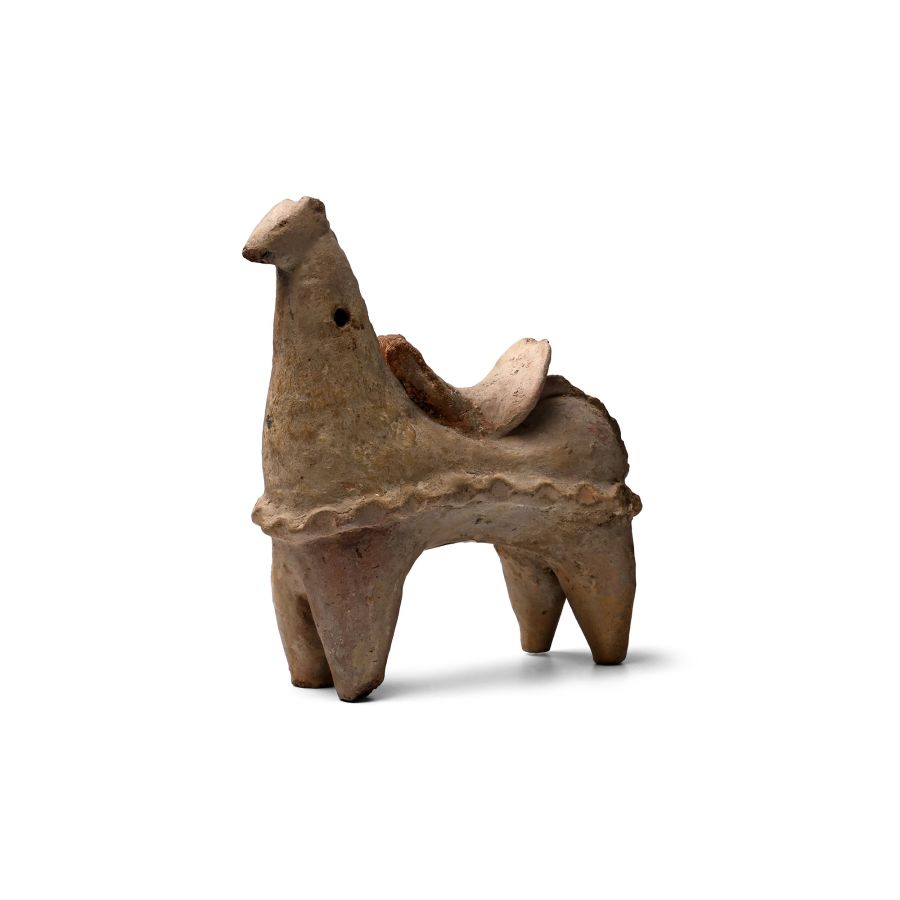
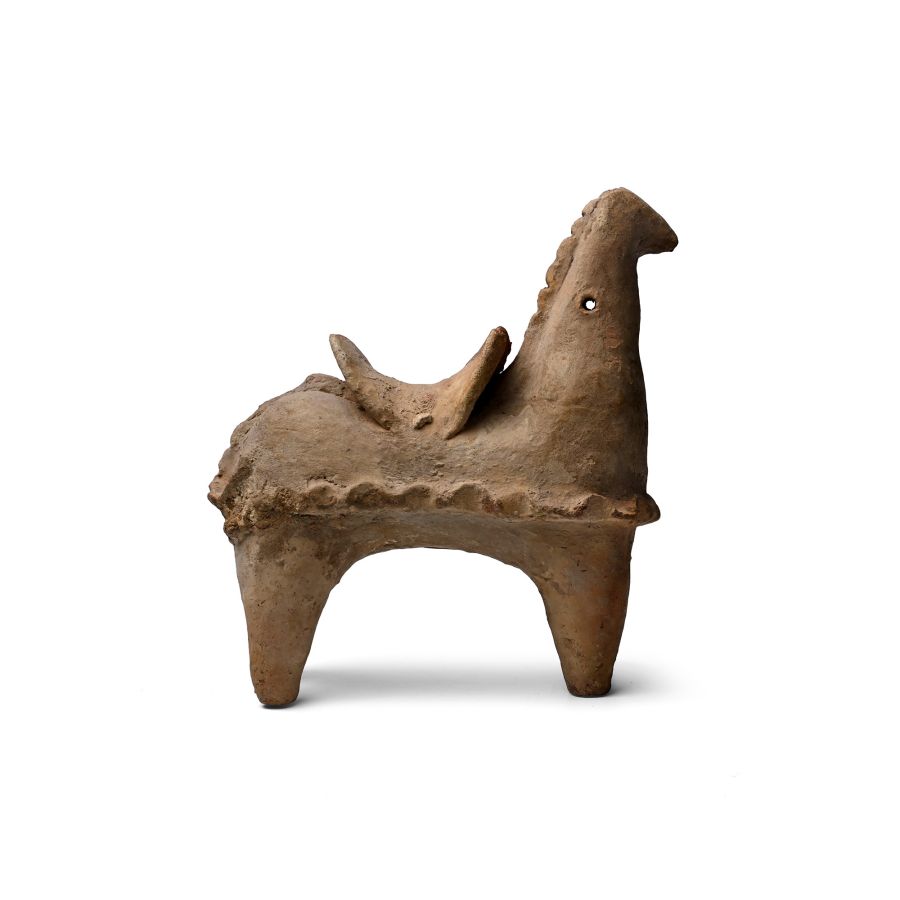
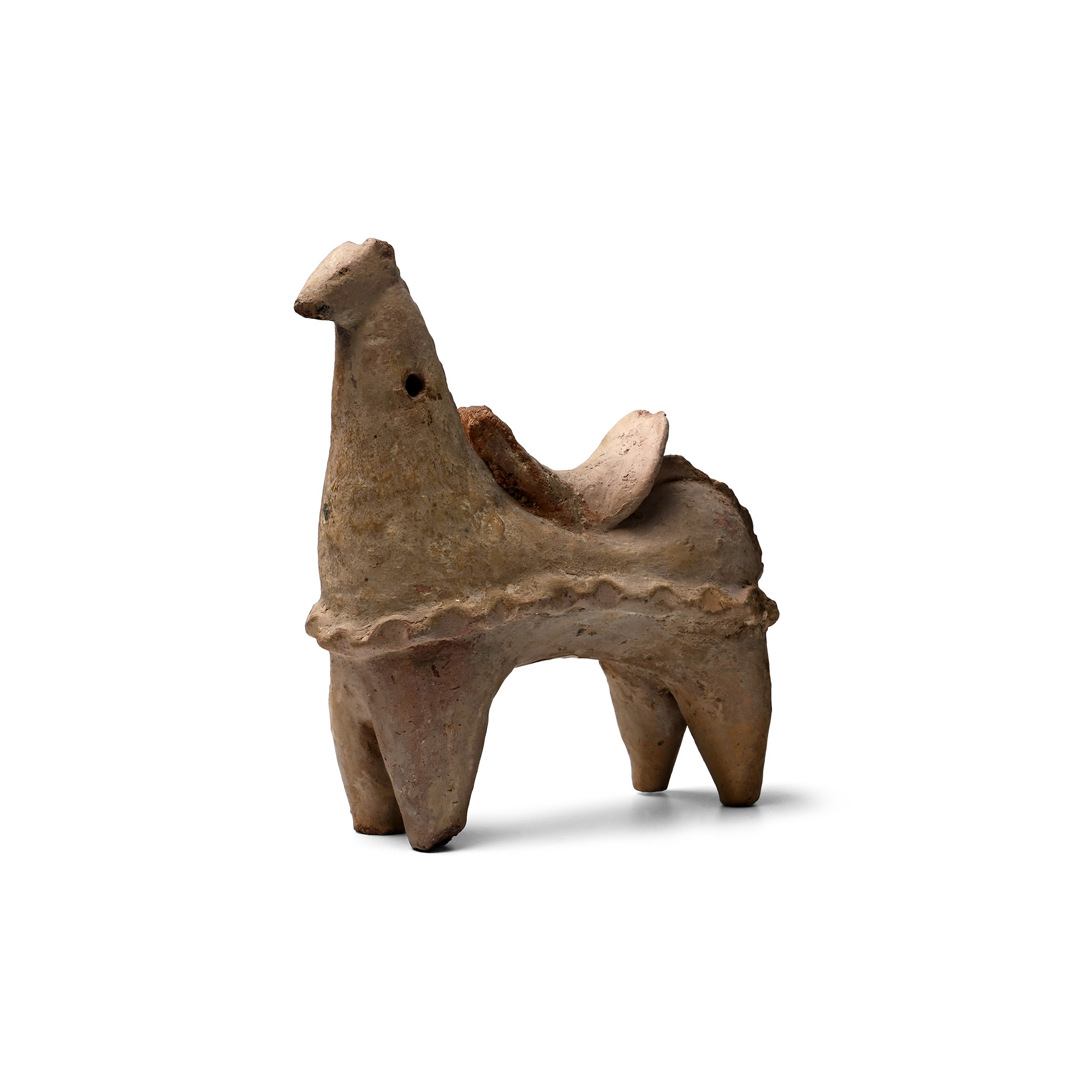
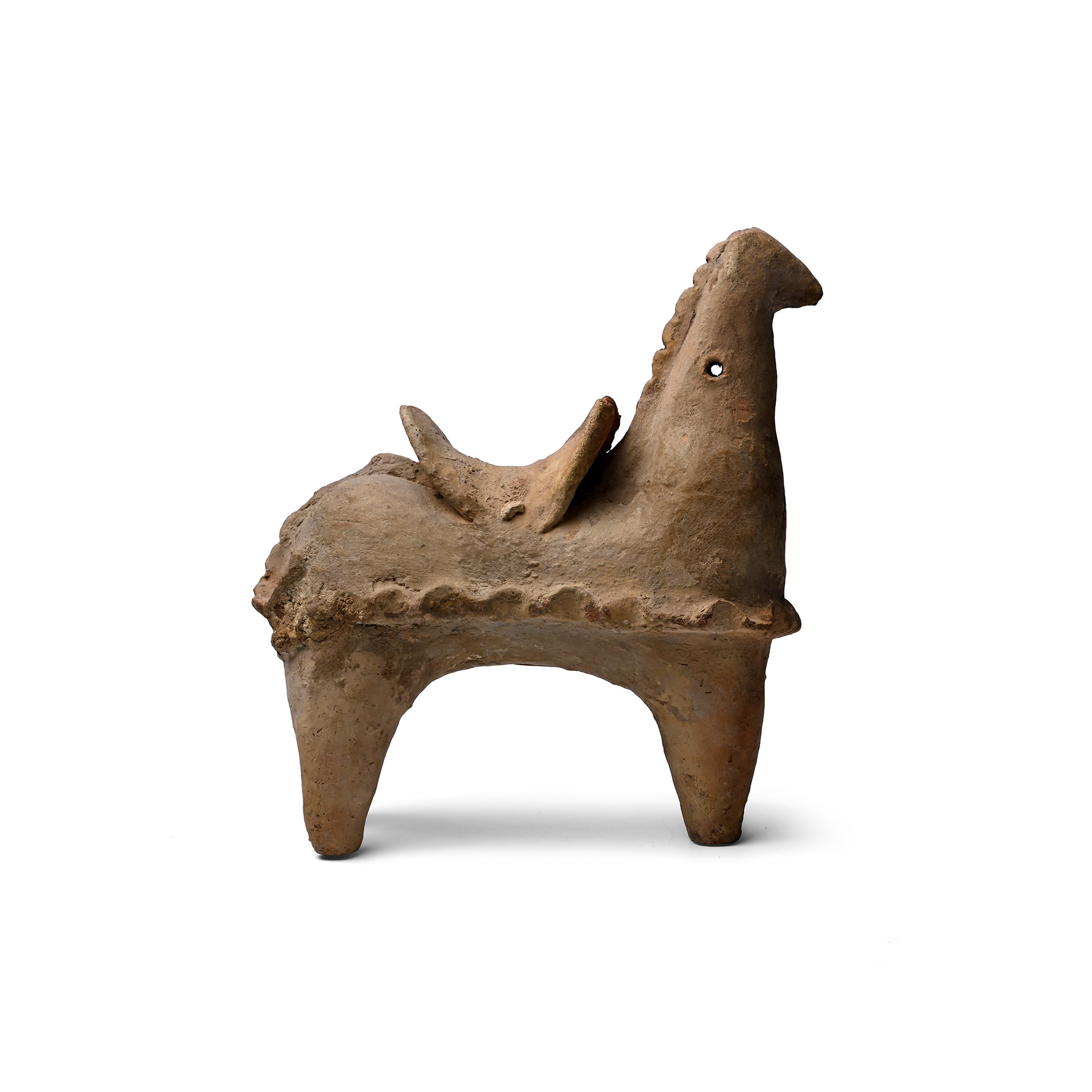
Western Asiatic Terracotta Animal with Saddle
1ST MILLENNIUM B.C.
7 in. (770 grams, 18 cm high).
Modelled in the round with crimped band to the flanks, scooped saddle, applied mane detailing; pierced at the neck to accept reins, with old label to the underside: 'YAZDANI 242C LONDON'.
ProvenanceUK collection, 1990s.
Acquired on the UK art market, before 2000.
Private collection, Mr M.V., a London-based businessman.
TimeLine Auctions follows a vetting process to ensure the authenticity and legality of all items, reinforcing our commitment to integrity and responsible trading. Each antiquity, antique, and coin lot undergoes thorough examination by a vetting committee of at least ten external specialists, professional trade association members, scientists, and archaeologists: Our Vetting Process
AUCTIONS:
TimeLine is a leading auction house specialising in antiquities, ancient art, collectables, natural history, coins, medals, and books. Our auctions offer museums, collectors, historians, and enthusiasts the opportunity to acquire unique and historically significant pieces.
LOT 1199
Western Asiatic Terracotta Animal with Saddle
Estimate £400 - 600€460 - 700 (for guidance only)$540 - 810 (for guidance only)
-
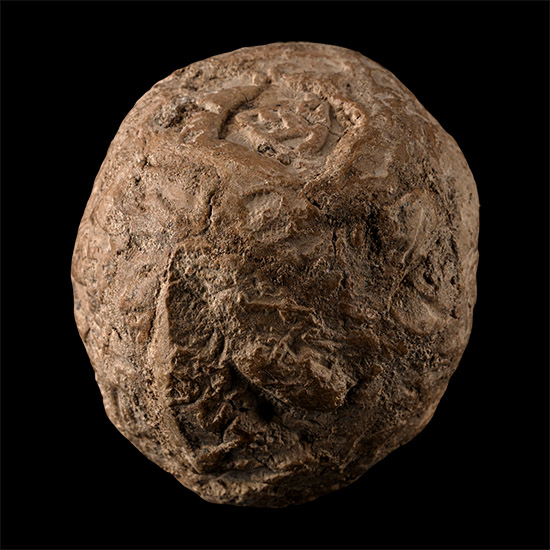
Sumerian Terracotta Bulla
4th millennium B.C.Sold for (Inc. bp): £468
A bulla with oval stamped impression of two animals. 147 grams, 60 mm
Specialised collection of cuneiform texts, the property of a London gentleman and housed in London before 1988. Thence by descent to family members. Examined by Professor Wilfrid George Lambert FBA (1926-2011), historian, archaeologist, and specialist in Assyriology and Near Eastern archaeology, in the late 1980s and early 1990s. The collection is exceptional for the variety of types, including some very rare and well preserved examples. Accompanied by a copy of a previous catalogue page.
Small globular and hollowed clay balls are defined as 'bulla'. They are also known as ‘bulla-envelopes', some of which are plain and some displaying epigraphic, zoomorphic and/or figural decoration, impressed by either cylinder or stamp seals. Bulla first emerged in Mesopotamia and their earliest occurrence can be traced to circa 8000 B.C. Most know decorated bullae come from the Uruk area and offer an insight into its culture. This bulla represents a religious scene, indicated by the combination of the pyramid-shaped byre and the 'sacred herd', which are seen on the early Uruk seals. The symbol of the Mother-Goddess, presented in conjunction with the representations of sheep herd and byre, gave such imagery symbolic significance. The impression with two sheep depicted under the byre, might have been impressed by a stamp seal of the early Uruk period. -
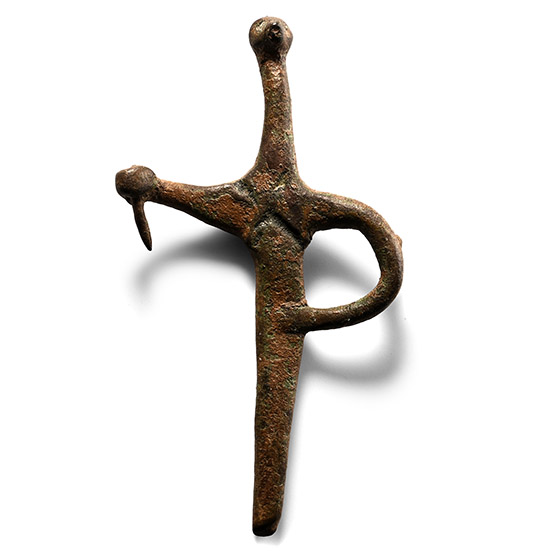
Syro-Hititte Bronze Idol
2nd millennium B.C.Sold for (Inc. bp): £104
Slender columnar body with bulbous head, right arm extended with spike or dagger in the hand, left arm bent with hand on hip. 17.6 grams, 73 mm
Previously the property of an Islington, London, UK, dealer. From a London, UK, private collector since circa 1990. -
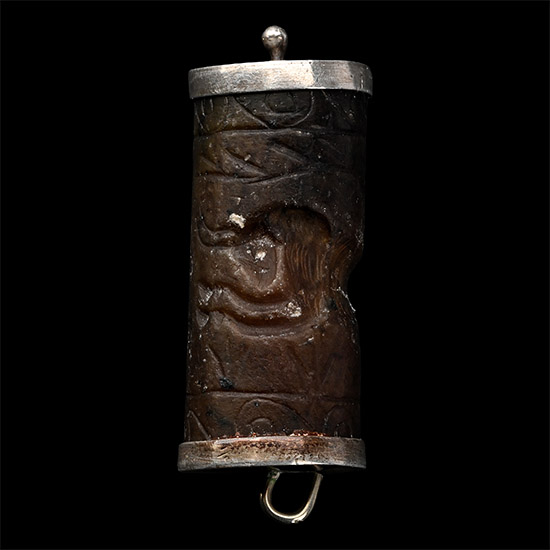
Early Achaemenid Stone Cylinder Seal with Later Silver Casing
600-500 B.C. or laterSold for (Inc. bp): £468
With incuse frieze depicting a leaping bull between tendrils, wave pattern to borders, set into a later silver casing with pendant loop. 19.79 grams, 43 mm
Acquired on the USA art market. Private collection, England.
