
Loading, please wait...
LOT 1326
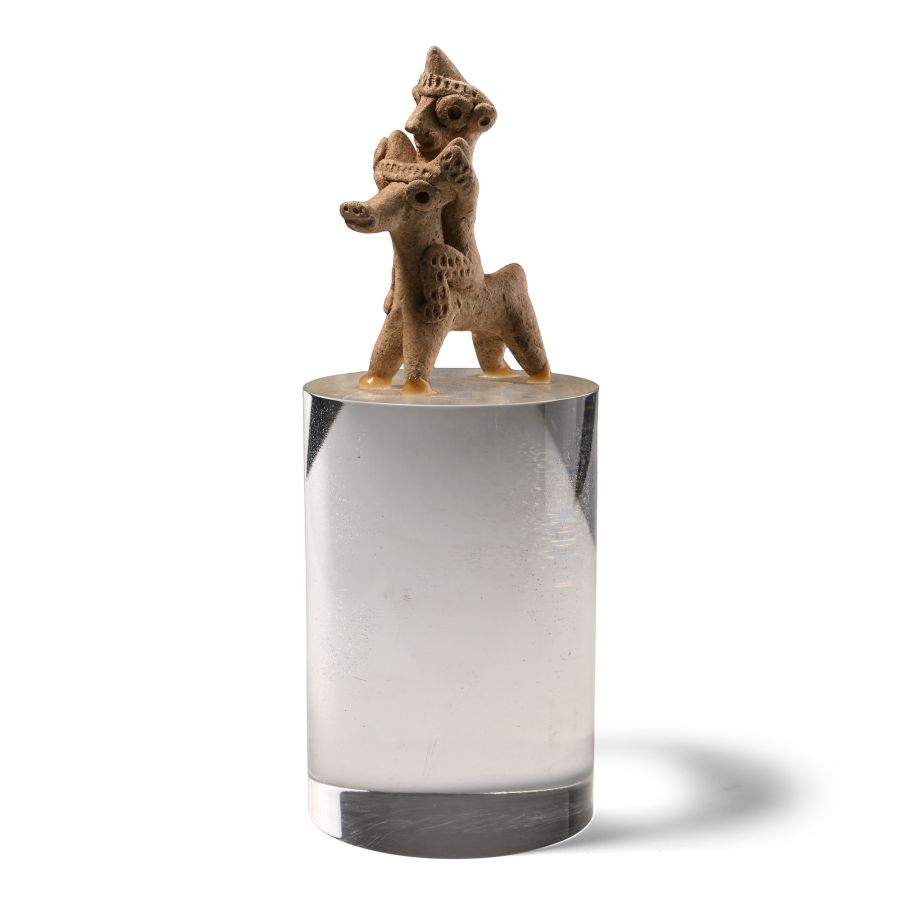
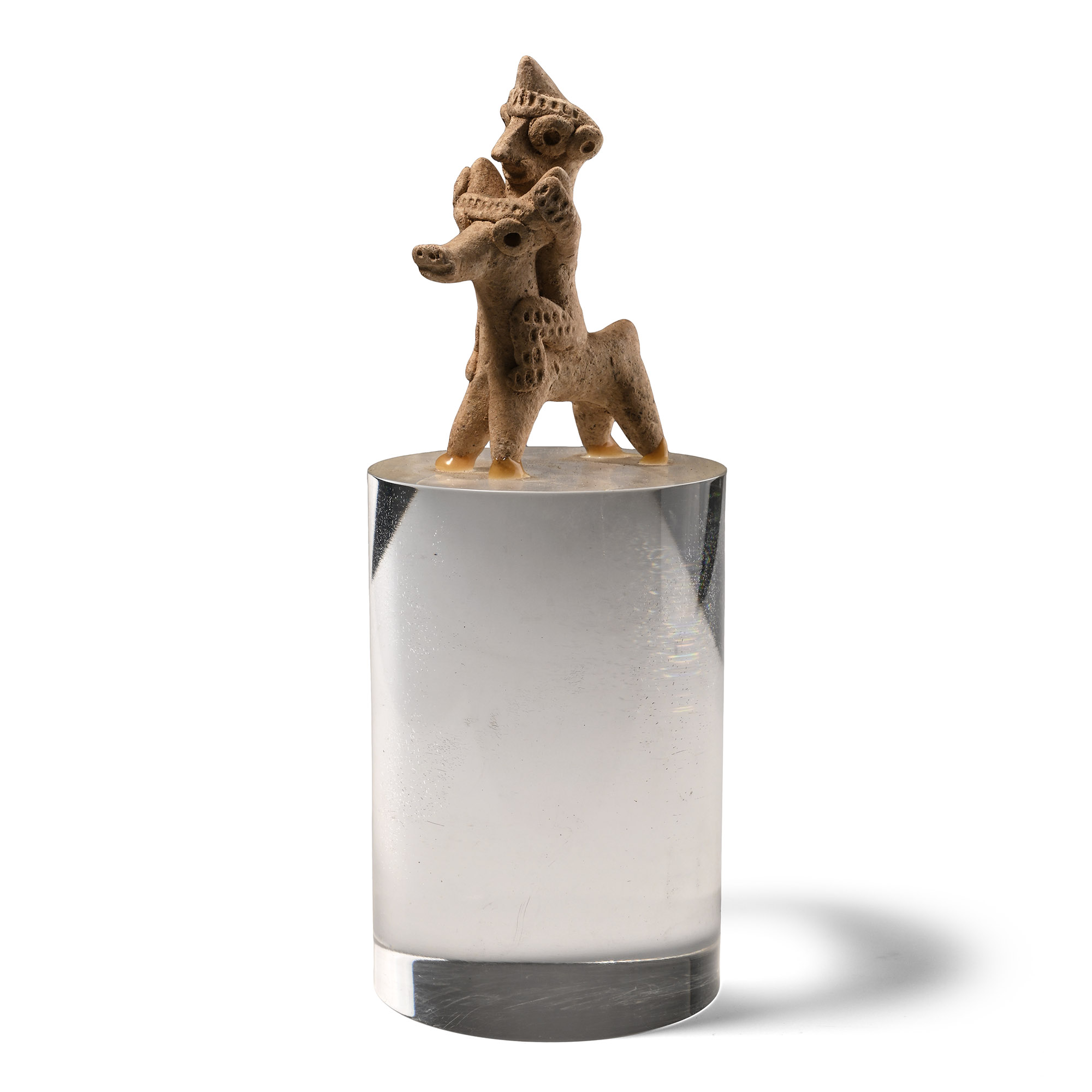
Western Asiatic Terracotta Animal Rider
2ND-1ST MILLENNIUM B.C.
7 7/8 in. (676 grams total, 20 cm high including stand).
Modelled in the round standing facing, the rider gripping the animal with his thighs and by its ears, stylised detailing to both figures in the form of applied circular eyes and pricked headbands, the rider wearing a conical cap; mounted on a substantial cylindrical perspex display base. [No Reserve]
ProvenanceCollected from 1979-1999.
From the collection of the late Mr S.M., London, UK.
From the Moussieff salon cabinet display.
From the private collection of John Meredith, acquired since the 1990s; thence by descent.
TimeLine Auctions follows a vetting process to ensure the authenticity and legality of all items, reinforcing our commitment to integrity and responsible trading. Each antiquity, antique, and coin lot undergoes thorough examination by a vetting committee of at least ten external specialists, professional trade association members, scientists, and archaeologists: Our Vetting Process
AUCTIONS:
TimeLine is a leading auction house specialising in antiquities, ancient art, collectables, natural history, coins, medals, and books. Our auctions offer museums, collectors, historians, and enthusiasts the opportunity to acquire unique and historically significant pieces.
-
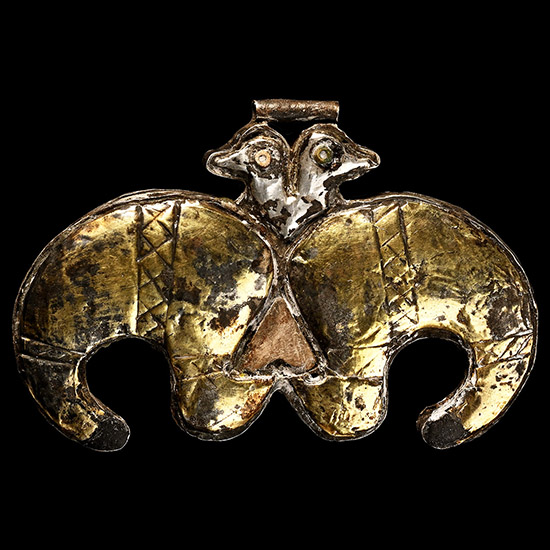
Proto-Elamite Silver Double Bird Pendant
Late 4th-early 3rd millennium B.C.Estimate: £1,500 - 2,000 (+bp*)
Opening Bid: £750
Plano-convex in section with gilt convex body panels each with hatched bands, addorsed bird-heads with inset eyes and suspension tube above. 19.91 grams, 71 mm
Acquired in the mid-1980s to early 1990s. Private collection, London, UK. -
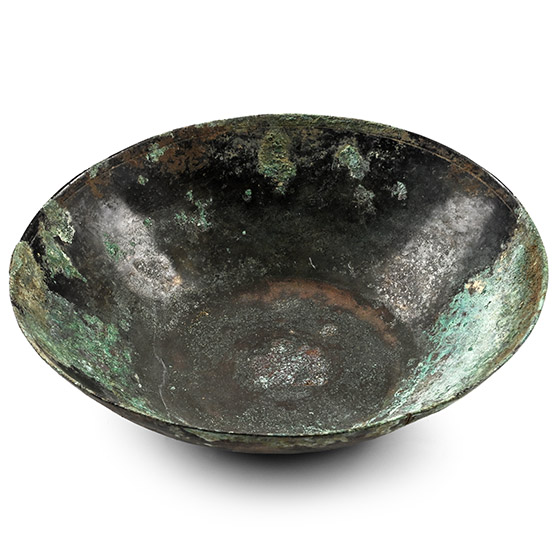
Sasanian Bronze Bowl
3rd-7th century A.D.Sold for (Inc. bp): £46
With narrow flat base and flared sidewall. 132 grams, 15.2 cm
From the collection of North West London, UK, gentleman, 1990-2000s. -
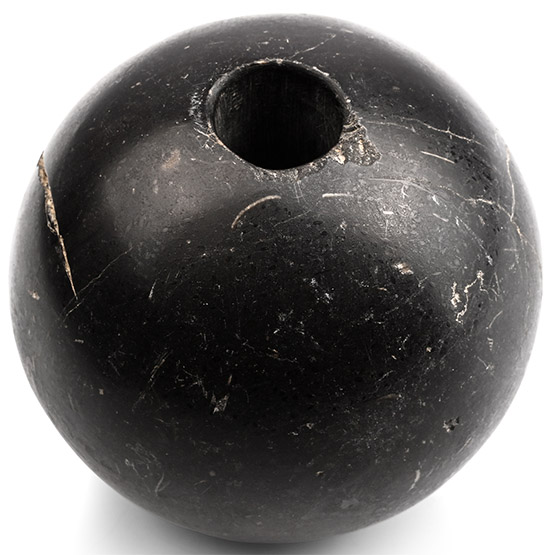
Large Western Asiatic Stone Macehead
3rd-2nd millennium B.C.Sold for (Inc. bp): £221
Carved as a sphere and polished, with tapering vertical socket. 1.34 kg, 10 cm
Private collection, UK.
