
Loading, please wait...
_900x900.jpg "Western Asiatic Style Terracotta Figure Group")
_200x200.jpg "Western Asiatic Style Terracotta Figure Group")
.jpg "Western Asiatic Style Terracotta Figure Group")
LOT 2189
Western Asiatic Style Terracotta Figure Group
20TH CENTURY A.D.
2 1/2 - 6 in. (204 grams total, 6.3-15.3 cm).
Including nude male gripping his buttocks, female with tall spiked hairstyle and other types. [5, No Reserve]
ProvenanceAcquired 1980-2015.
Ex Abelita family collection.
This lot is accompanied by an illustrated lot declaration signed by the Head of the Antiquities Department, Dr Raffaele D’Amato.
This lot is accompanied by an illustrated lot declaration signed by the Head of the Antiquities Department, Dr Raffaele D'Amato.
TimeLine Auctions follows a vetting process to ensure the authenticity and legality of all items, reinforcing our commitment to integrity and responsible trading. Each antiquity, antique, and coin lot undergoes thorough examination by a vetting committee of at least ten external specialists, professional trade association members, scientists, and archaeologists: Our Vetting Process
AUCTIONS:
TimeLine is a leading auction house specialising in antiquities, ancient art, collectables, natural history, coins, medals, and books. Our auctions offer museums, collectors, historians, and enthusiasts the opportunity to acquire unique and historically significant pieces.
-
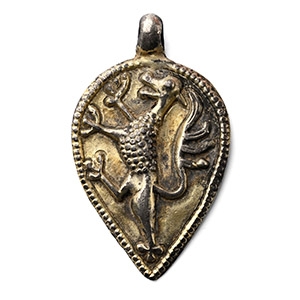
Stuart Period Silver-Gilt Heraldic Horse Harness Pendant
Circa 17th century A.D.Sold for (Inc. bp): £494
Teardrop-shaped plaque with beaded rim, integral loop, high-relief rampant lion above a sword. 9.86 grams, 49 mm
Acquired on the UK art market. Property of an East Anglia private collector. This lot is accompanied by an illustrated lot declaration signed by the Head of the Antiquities Department, Dr Raffaele D'Amato. -
.jpg)
Western Asiatic Style Terracotta Figure Group
20th century A.D.Sold for (Inc. bp): £78
Including a crouching female with hands supporting her breasts, and other types. 177 grams total, 10-12.7 cm
Acquired 1980-2015. Ex Abelita family collection. This lot is accompanied by an illustrated lot declaration signed by the Head of the Antiquities Department, Dr Raffaele D’Amato. This lot is accompanied by an illustrated lot declaration signed by the Head of the Antiquities Department, Dr Raffaele D'Amato. -
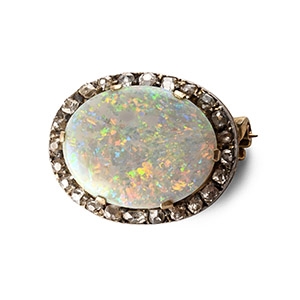
Gold Brooch with Large Opal and Diamonds
20th century A.D.Sold for (Inc. bp): £494
An oval opal cabochon displaying mainly orange and green colours in a pinfire pattern, set in a nine carat gold brooch set with variously cut diamonds. 4.98 grams, 24 mm
Ex London, UK, gentleman's collection, 1980-1990s. This lot is accompanied by an illustrated lot declaration signed by the Head of the Antiquities Department, Dr Raffaele D'Amato.
