
Loading, please wait...
_900x900.jpg "Western Asiatic Style Lapis Lazuli Bead Necklace String")
_200x200.jpg "Western Asiatic Style Lapis Lazuli Bead Necklace String")
.jpg "Western Asiatic Style Lapis Lazuli Bead Necklace String")
LOT 1364
Western Asiatic Style Lapis Lazuli Bead Necklace String
20TH CENTURY A.D.
16 in. (18.7 grams, 40.5 cm).
Composed of irregular beads interspersed with small spherical glass beads; restrung. [No Reserve]
ProvenanceEx London, UK, art market 1990s.
CONDITIONTimeLine Auctions follows a vetting process to ensure the authenticity and legality of all items, reinforcing our commitment to integrity and responsible trading. Each antiquity, antique, and coin lot undergoes thorough examination by a vetting committee of at least ten external specialists, professional trade association members, scientists, and archaeologists: Our Vetting Process
AUCTIONS:
TimeLine is a leading auction house specialising in antiquities, ancient art, collectables, natural history, coins, medals, and books. Our auctions offer museums, collectors, historians, and enthusiasts the opportunity to acquire unique and historically significant pieces.
-
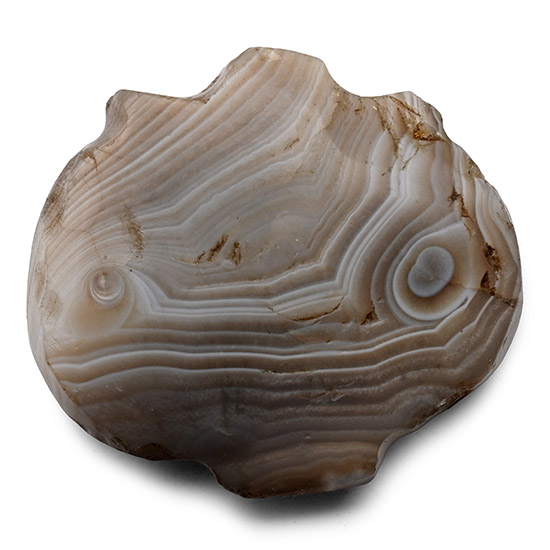
Bactrian Banded Agate Talismanic Pendant
2nd millennium B.C.Estimate: £300 - 400 (+bp*)
Opening Bid: £150
Discoid pendant with slightly domed faces carved from banded agate, rectangular tab above and below, the upper one pierced for suspension. 7.95 grams, 30 mm
Ex French collection of Mr C, prior 2000. UK private collection, acquired from the above, 2000s. -
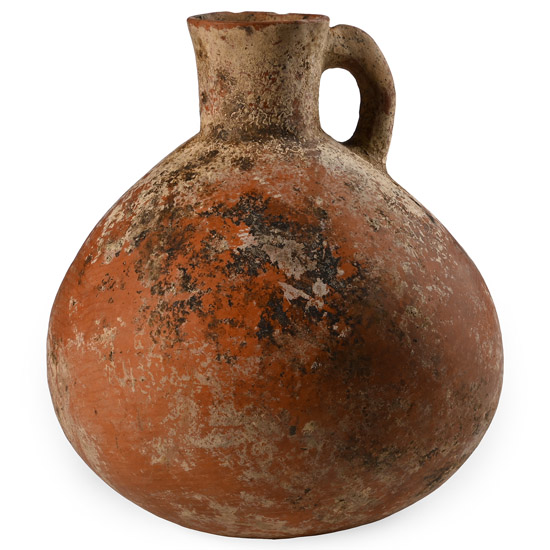
Holy Land Terracotta Flagon
Bronze Age, 3rd-2nd millennium B.C.Sold for (Inc. bp): £124
Biconvex globular body with tubular neck and flared rim, loop handle to the neck; three stub feet to the base. 750 grams, 20.7 cm
From a UK collection formed in the 1980s. Property of an Essex, UK, gentleman. -
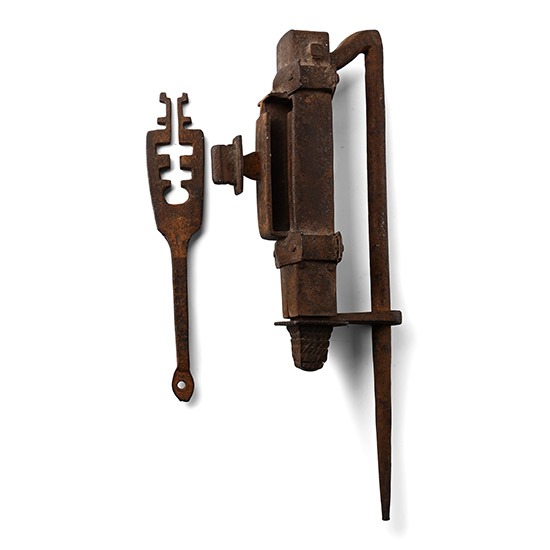
Large Ceremonial Iron Lock and Key
Late 19th-early 20th century A.D.Estimate: £120 - 170 (+bp*)
Opening Bid: £60
Substantial lock with spiked locking bar and mechanism; separate flat-section key with voided shank. 1.42 kg, 21.7-33.5 cm
Private collection, UK.
