
Loading, please wait...
LOT 2359
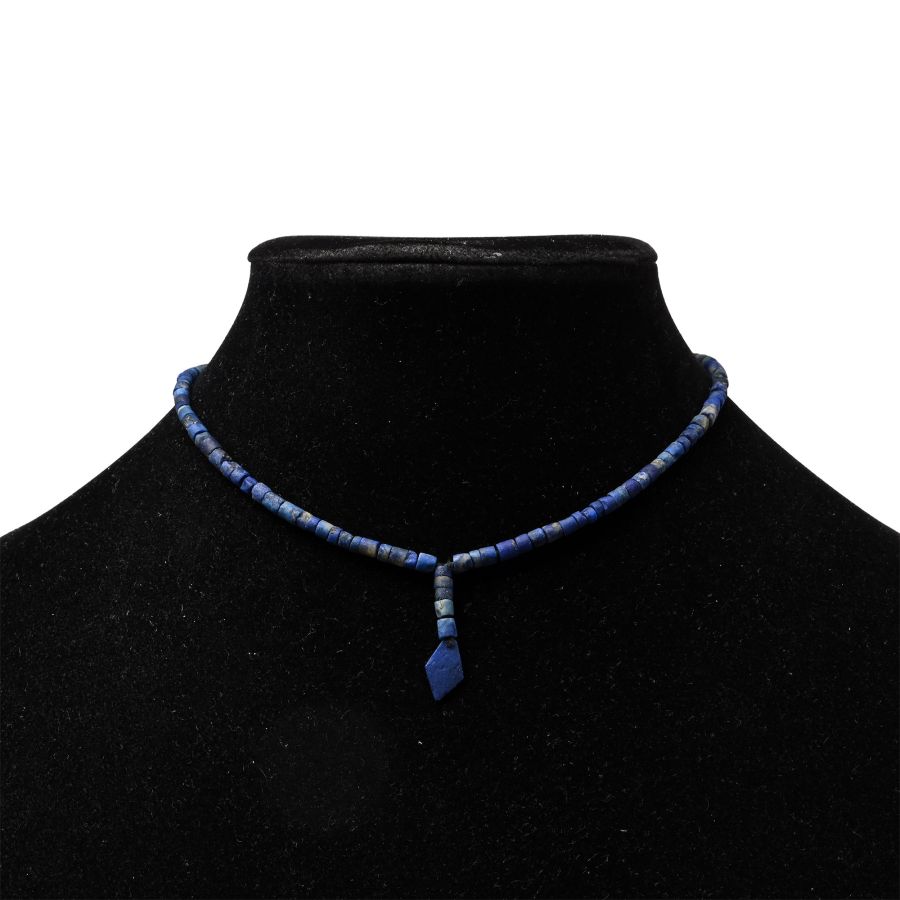
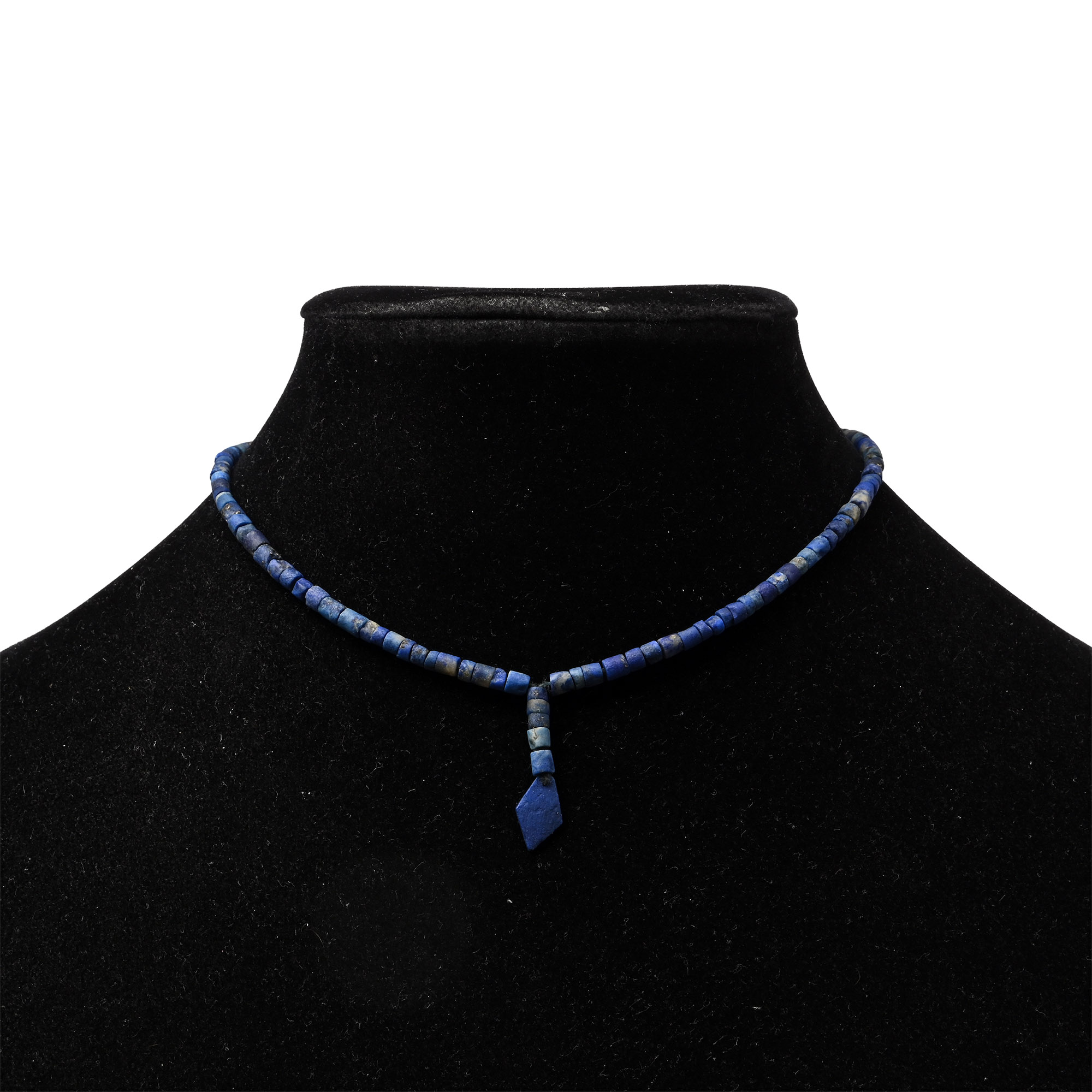
Western Asiatic Style Lapis Lazuli Bead Necklace String
20TH CENTURY A.D.
12 3/4 in. (8.52 grams, 32.5 cm).
Composed of cylindrical beads and a lozenge-shaped feature pendant at the centre, restrung. [No Reserve]
ProvenanceEx London, UK, art market 1990s.
CONDITIONTimeLine Auctions follows a vetting process to ensure the authenticity and legality of all items, reinforcing our commitment to integrity and responsible trading. Each antiquity, antique, and coin lot undergoes thorough examination by a vetting committee of at least ten external specialists, professional trade association members, scientists, and archaeologists: Our Vetting Process
AUCTIONS:
TimeLine is a leading auction house specialising in antiquities, ancient art, collectables, natural history, coins, medals, and books. Our auctions offer museums, collectors, historians, and enthusiasts the opportunity to acquire unique and historically significant pieces.
-
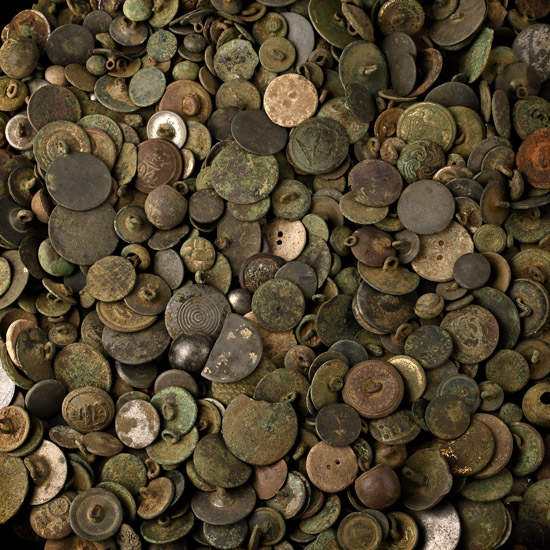
Post Medieval Bronze Button Group
Circa 16th-20th century A.D.Sold for (Inc. bp): £33
Various types including discoid with pierced lug, spherical, domed and other types. 1.75 kg total, 9-27 mm
Found Suffolk, UK. (UK buyers only, not for export) -
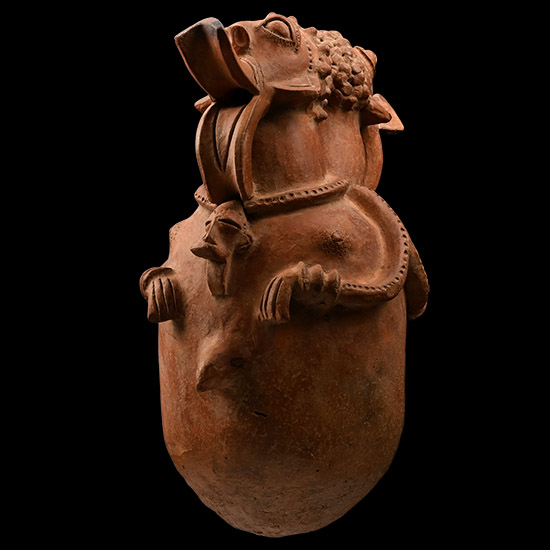
Large African Style Terracotta Vessel
20th century A.D.Sold for (Inc. bp): £7
Comprising a barrel-shaped body with a rounded underside, addorsed human heads each on a long, curved neck, with applied pellets for the hair, a scooped beak for the mouth, applied bands for the arms with impressed pellets, smaller head worn on the chest on a collar. 5.8 kg, 42.5 cm
Acquired on the UK art market. -
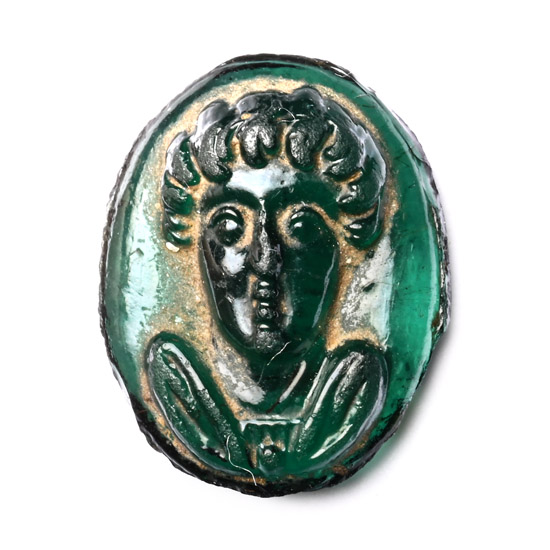
Post-Classical Green Glass Cameo of Man
19th century A.D. or earlierEstimate: £300 - 400 (+bp*)
Opening Bid: £150
Modelled in the half-round bust of a youth with curly locks of hair. 0.72 grams, 13 mm
Private English collection, formed between the late 1970s and early 1990s. Private collection, London, UK.
