
Loading, please wait...
LOT 1557
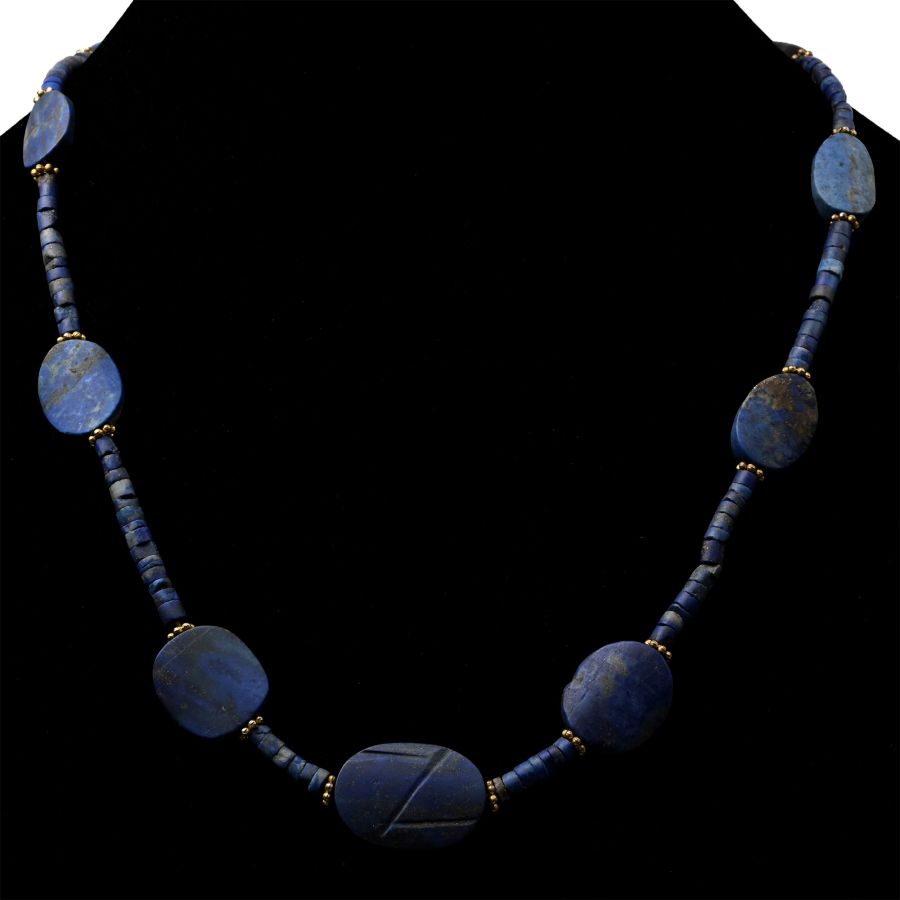
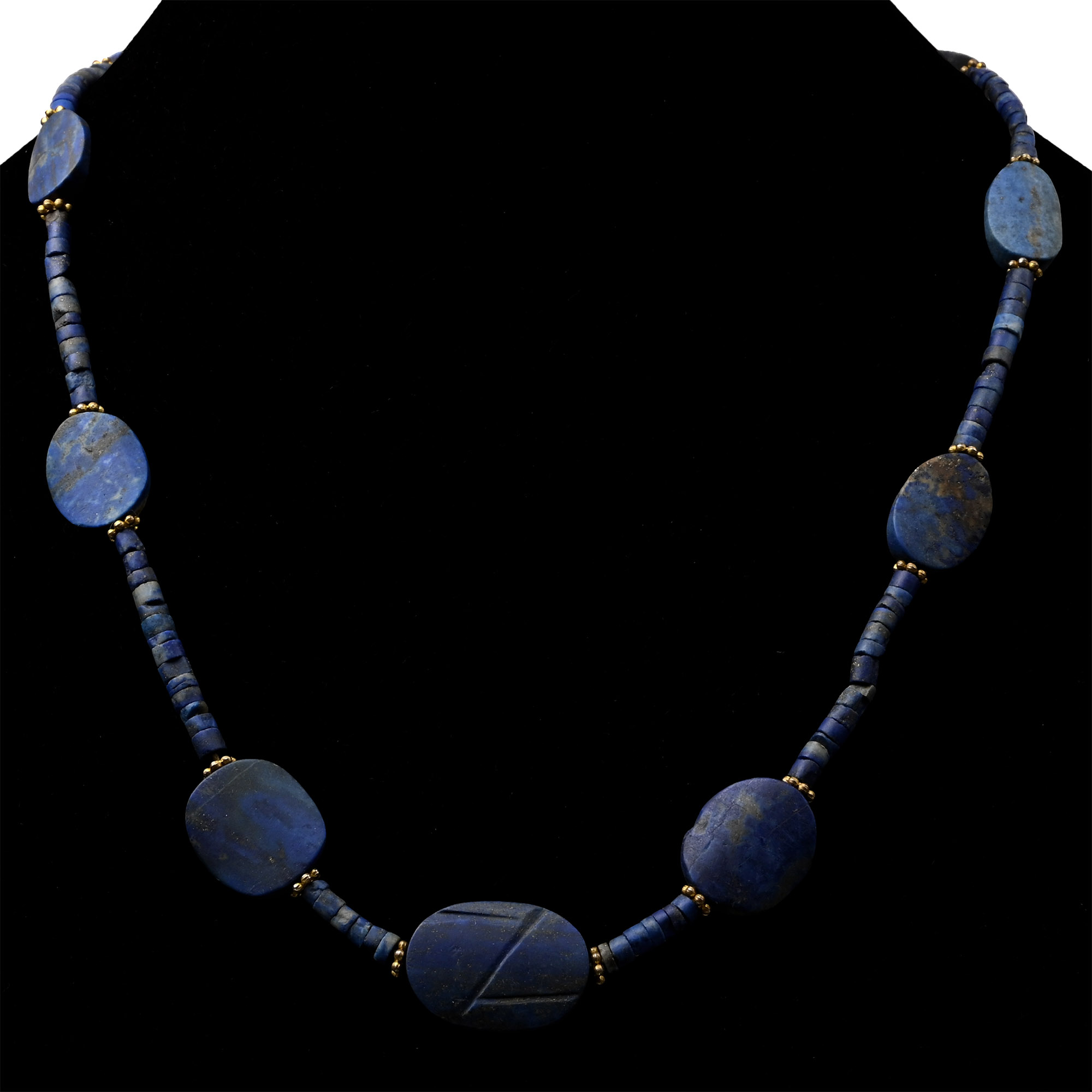
Western Asiatic Style Lapis Lazuli Bead Necklace String
20TH CENTURY A.D.
19 1/4 in. (42 grams, 49 cm).
Composed of large oval-shaped feature beads interspersed with cylindrical beads and granulated metal collars; restrung. [No Reserve]
ProvenanceEx London, UK, art market 1990s.
CONDITIONTimeLine Auctions follows a vetting process to ensure the authenticity and legality of all items, reinforcing our commitment to integrity and responsible trading. Each antiquity, antique, and coin lot undergoes thorough examination by a vetting committee of at least ten external specialists, professional trade association members, scientists, and archaeologists: Our Vetting Process
AUCTIONS:
TimeLine is a leading auction house specialising in antiquities, ancient art, collectables, natural history, coins, medals, and books. Our auctions offer museums, collectors, historians, and enthusiasts the opportunity to acquire unique and historically significant pieces.
-
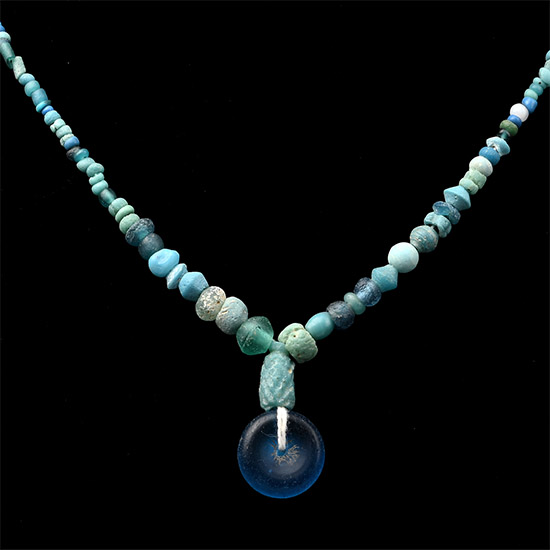
Achaemenid Blue Glass and Other Bead Necklace String
Mid 1st millennium B.C. and laterSold for (Inc. bp): £59
Composed of graduated beads, the central feature comprising a tubular bead with chevron decoration and a large doughnut-shaped bead, restrung. 12.18 grams, 36.6 cm
Ex London, UK, collection, 1990s. -
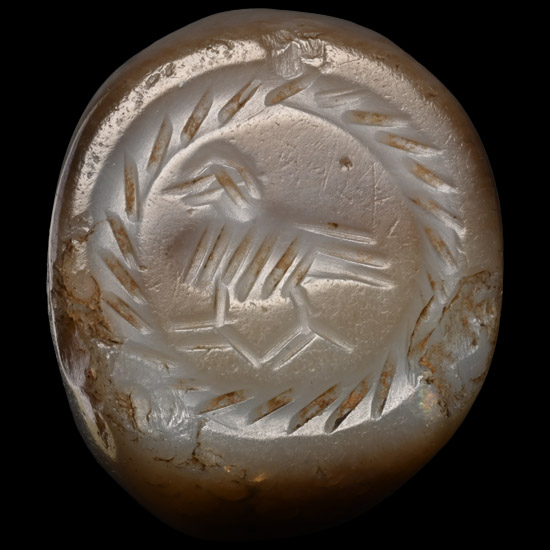
Sasanian Marbled Agate Stamp Seal with Bird
Circa 3rd-7th century A.D.Sold for (Inc. bp): £78
Plano-convex type with incuse motif of a standing bird inside a wreath. 10.02 grams, 22.85 mm
From the private collection of a European gentleman (1942-2024), formed since the 1970s. -
.jpg)
Western Asiatic Stone Cylinder Seal Group
2nd-1st millennium B.C.Sold for (Inc. bp): £104
Comprising: profile gryphons flanking a scorpion; stylised linear design; combat scene with two figures tackling a rearing lion; ibexes running amid hatched foliage; supplied with a museum-quality impression. 22.7 grams total, 15.7-26 mm
From the private collection of a European gentleman (1942-2024), formed since the 1970s.
