
Loading, please wait...
LOT 1690
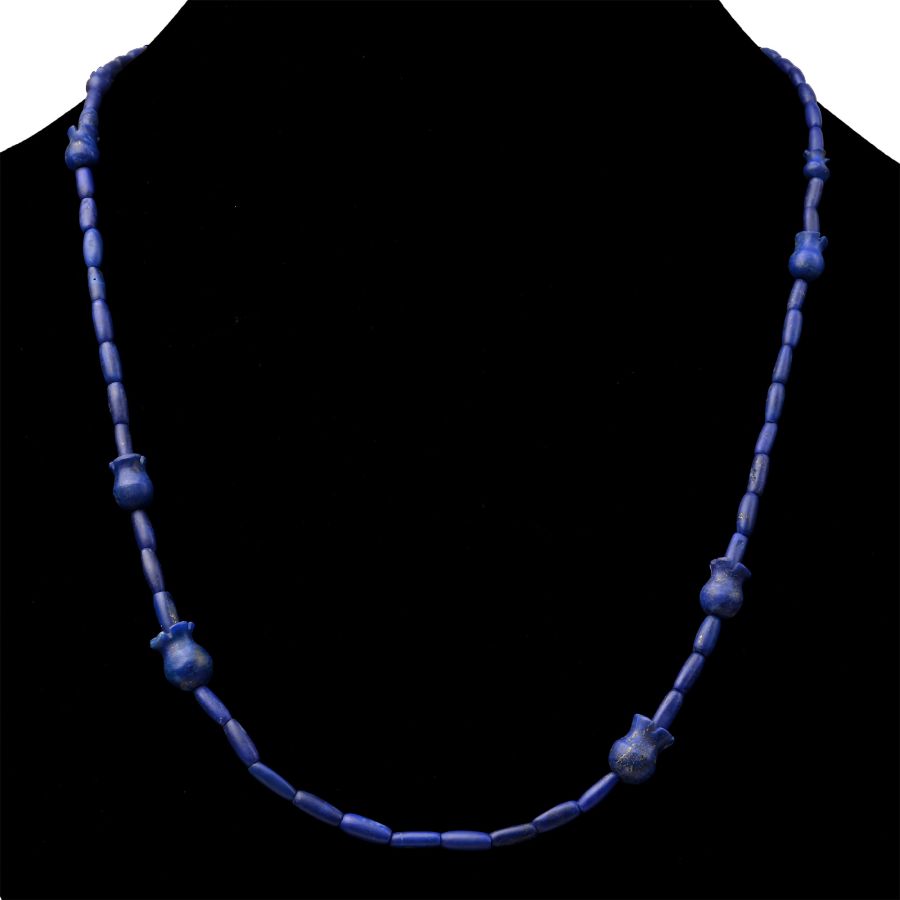
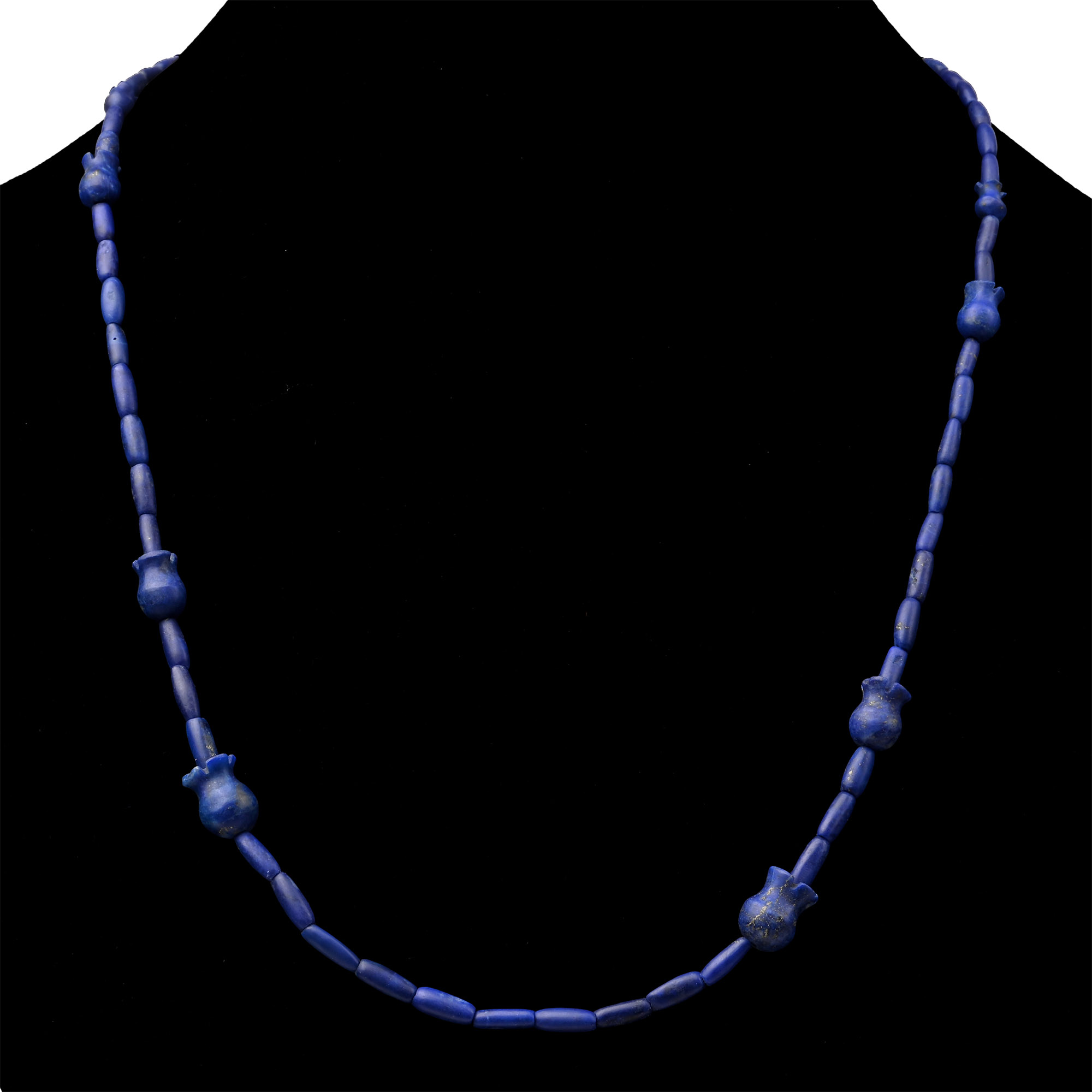
Western Asiatic Style Lapis Lazuli Bead Necklace String
20TH CENTURY A.D.
22 in. (19.6 grams, 56 cm).
Composed of slender oval beads and with eight poppy seed-shaped beads; restrung. [No Reserve]
ProvenanceEx London, UK, art market 1990s.
CONDITIONTimeLine Auctions follows a vetting process to ensure the authenticity and legality of all items, reinforcing our commitment to integrity and responsible trading. Each antiquity, antique, and coin lot undergoes thorough examination by a vetting committee of at least ten external specialists, professional trade association members, scientists, and archaeologists: Our Vetting Process
AUCTIONS:
TimeLine is a leading auction house specialising in antiquities, ancient art, collectables, natural history, coins, medals, and books. Our auctions offer museums, collectors, historians, and enthusiasts the opportunity to acquire unique and historically significant pieces.
-
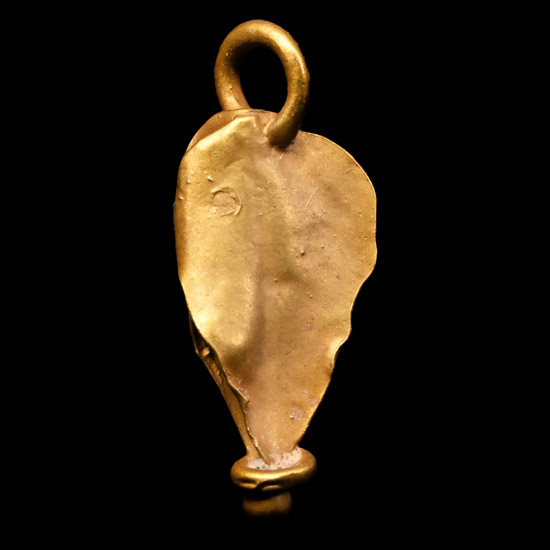
Western Asiatic Leaf-Shaped Gold Pendant
1st millennium B.C.Sold for (Inc. bp): £65
Formed of sheet-gold with an applied granule below and suspension loop above. 0.17 grams, 11 mm
Ex private British collection, formed in the 1980s. Property of a West Northamptonshire, UK, gentleman. -
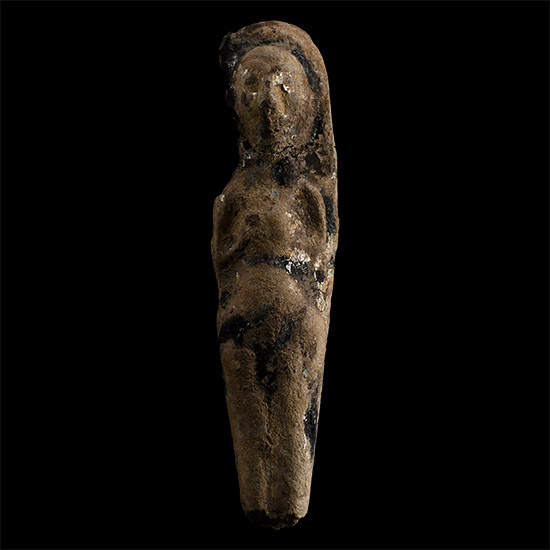
Western Asiatic Glazed Terracotta Fertility Figure
Late 1st millennium B.C.Estimate: £120 - 170 (+bp*)
Opening Bid: £67
Modelled in the half-round; D-shaped in section with applied black pigment detailing to hair and midriff; some iridescence. 23.2 grams, 92 mm
Ex private collection, London, UK, 1969-1999. -
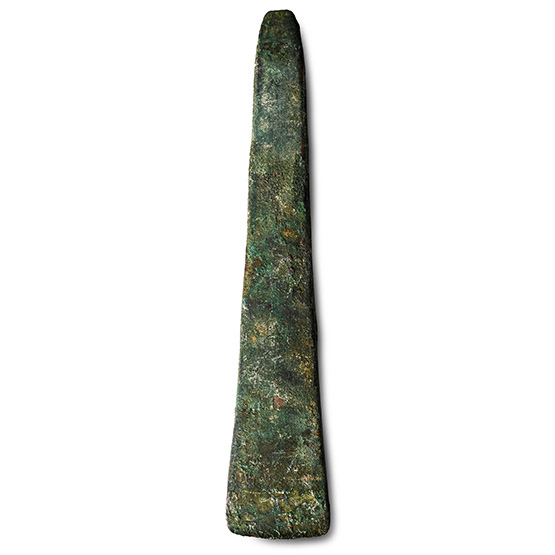
Western Asiatic Bronze Flat Axe
2nd millennium B.C.Sold for (Inc. bp): £78
Trapezoid blade with narrow butt and curved cutting edge, rectangular in cross-section. 264 grams, 18.5 cm
Ex Abelita family collection, 1980s-2000s.
This was one of the commonest tool types in the Early and Middle Cypriot Bronze Age, but rarer in the Late Bronze Age. These axes were fixed to a wooden shaft with thongs.
