
Loading, please wait...
LOT 2021
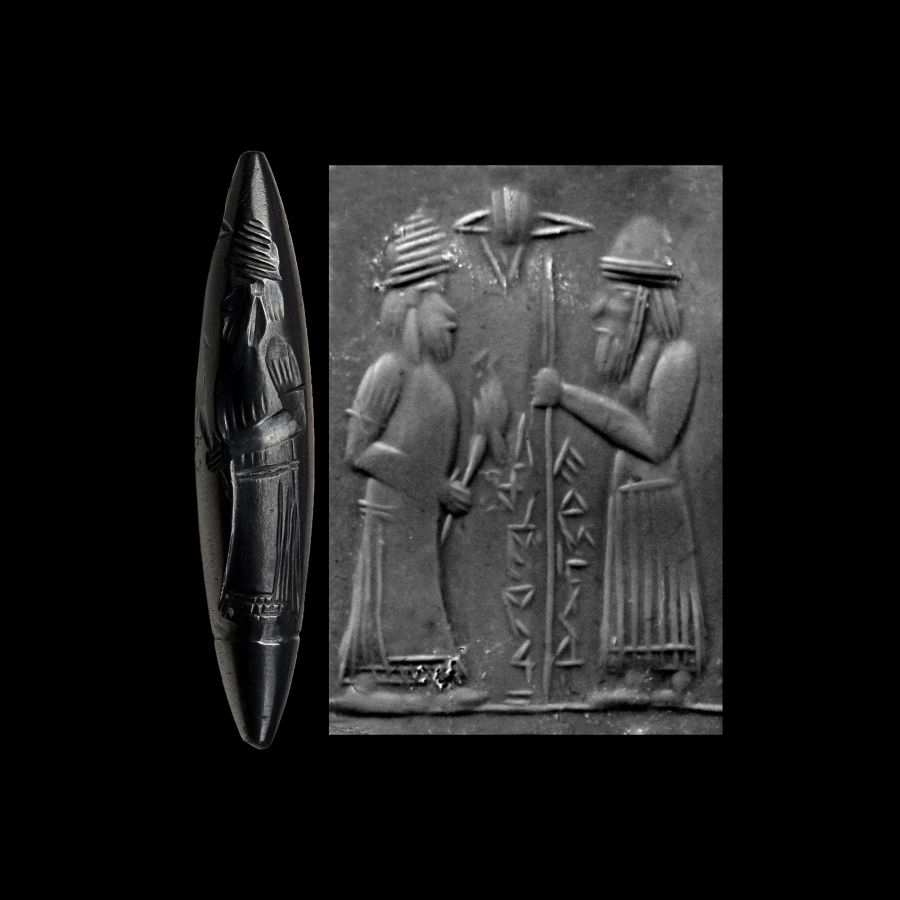
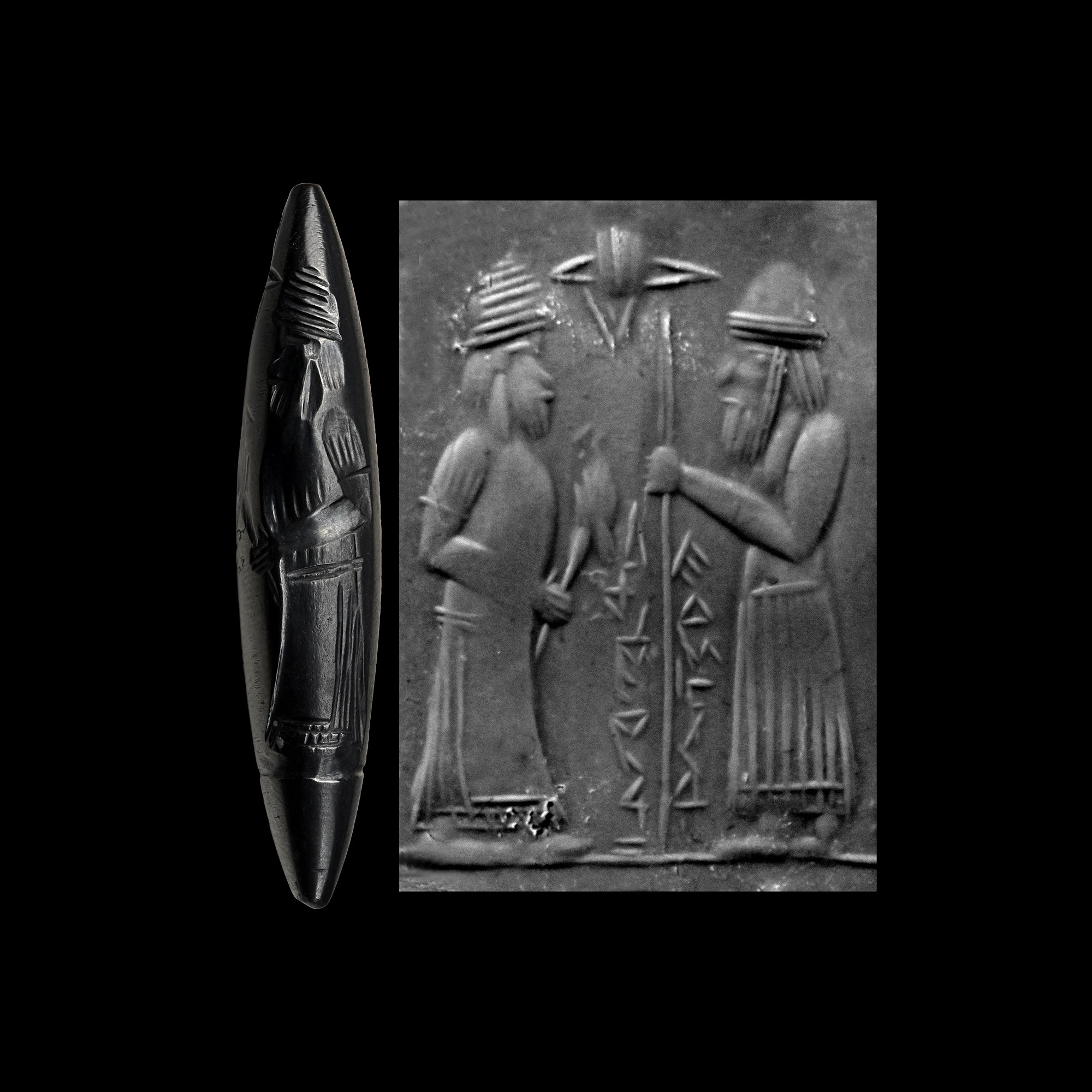
Western Asiatic Style Haematite Bead with Figures and Inscription
19TH-20TH CENTURY A.D.
2 in. (12.6 grams, 52 mm).
Fusiform type with standing robed figure holding a torch and another holding a spear; two columns of text.
Provenancewith Gorny and Mosch, 12 July 2022, no.621 (part).
Private collection, England.
TimeLine Auctions follows a vetting process to ensure the authenticity and legality of all items, reinforcing our commitment to integrity and responsible trading. Each antiquity, antique, and coin lot undergoes thorough examination by a vetting committee of at least ten external specialists, professional trade association members, scientists, and archaeologists: Our Vetting Process
AUCTIONS:
TimeLine is a leading auction house specialising in antiquities, ancient art, collectables, natural history, coins, medals, and books. Our auctions offer museums, collectors, historians, and enthusiasts the opportunity to acquire unique and historically significant pieces.
LOT 2021
Western Asiatic Style Haematite Bead with Figures and Inscription
Estimate £150 - 200€170 - 230 (for guidance only)$200 - 270 (for guidance only)
-
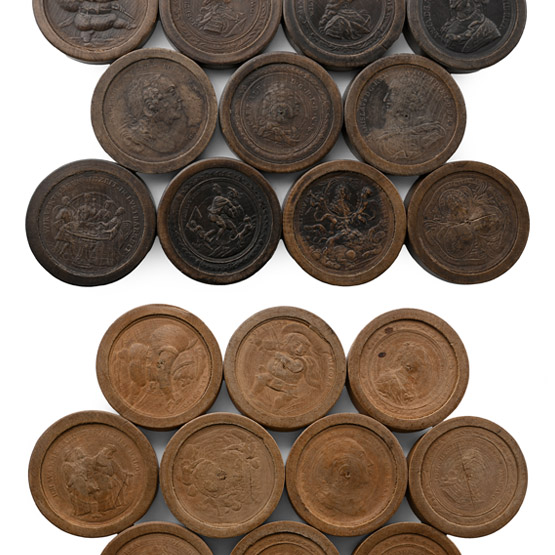
Post Medieval Stained and Natural Wooden Gaming Pieces
Southern Germany, Nuremberg, 18th century A.D.Sold for (Inc. bp): £468
Turned wooden counters in natural and dark-stained versions; some of the darker type with the bust of a Holy Roman Emperor to one face and a prospect of a city (Vienna, Danzig, etc.), as well as comic figures and scenes; the lighter group with similar motifs as well as hunting and other scenes. 320 grams total, 51 mm each
Private collection, Europe. Acquired on the English art market.
Similar game pieces are often signed ‘PHM’ for Philipp Heinrich Müller (1654-1719). There are eleven stained pear wood pieces and ten natural pear-wood pieces. The game pieces are decorated with busts, commemorative medals, cities, figural scenes including interiors, daily life and great battles, German / Austrian cities and figures from the engravings of Jacques Callot (1592-1635). -
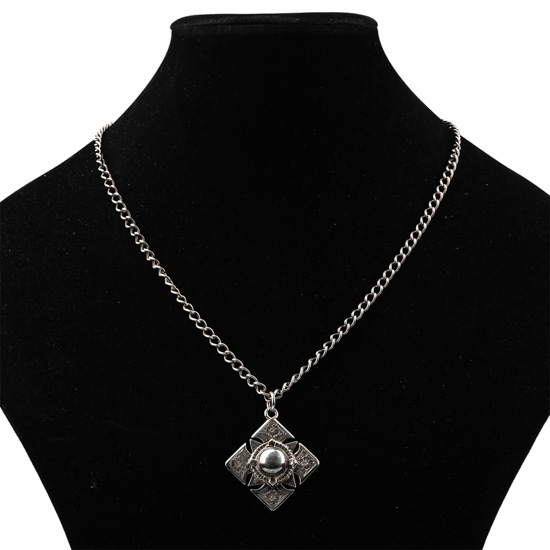
Post Medieval Engraved Silver Cross Pendant with Monogram
Late 19th-20th century A.D.Sold for (Inc. bp): £72
Quatrefoil in plan with interstitial tags, central pelleted collar and dome; incised hatched rosette to each petal; copperplate monogram to reverse with 'FG'; with late 20th century chain. 26 grams, 56.8 cm
Acquired on the UK art market before 2000. Property of an Essex, UK, gentleman. -
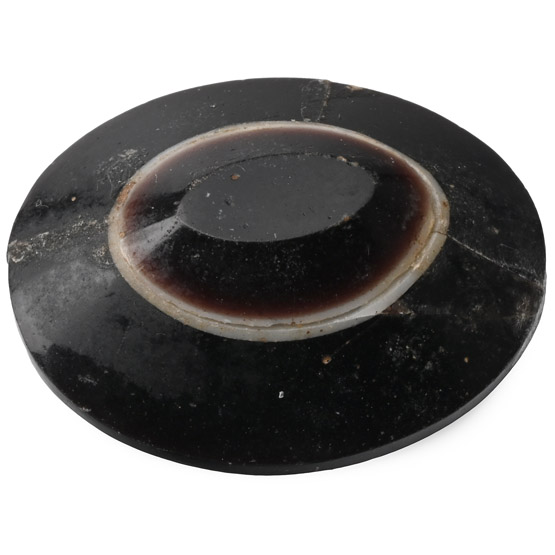
Post Medieval Cameo of a Female Portrait
20th century A.D.Estimate: £100 - 140 (+bp*)
Opening Bid: £50
Ellipsoid in plan with reserved female profile bust, wreath to the brow. 7.38 grams, 39 mm
Private collection, England.
