
Loading, please wait...
LOT 1232
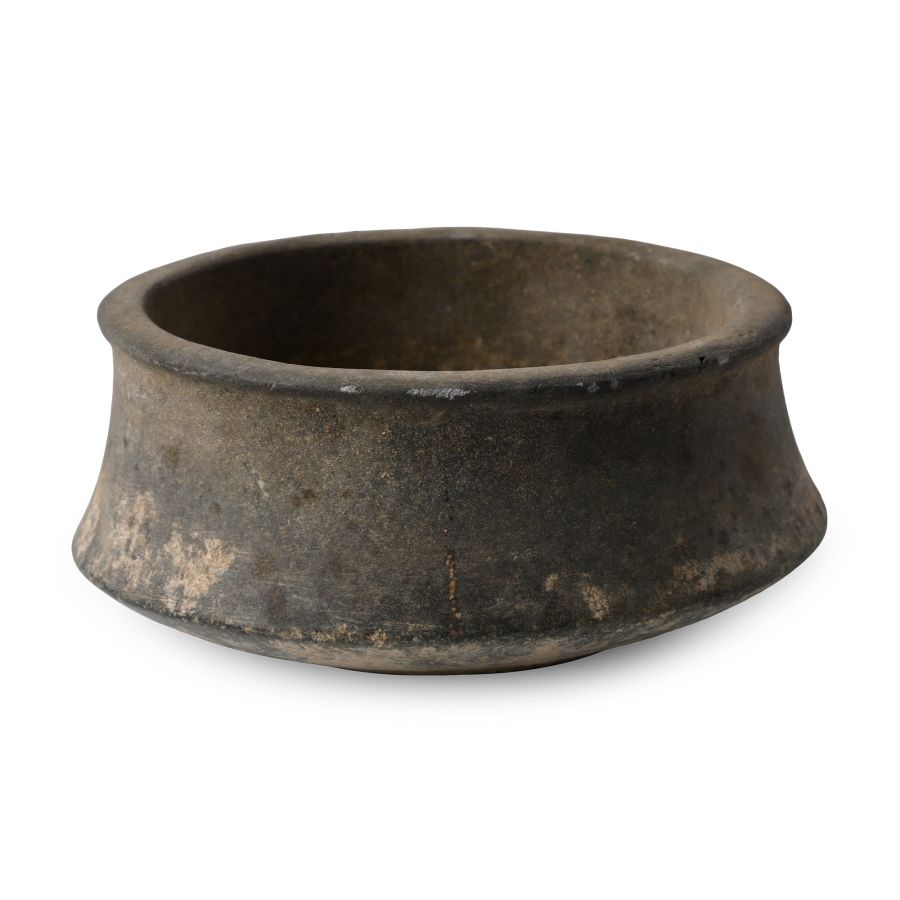
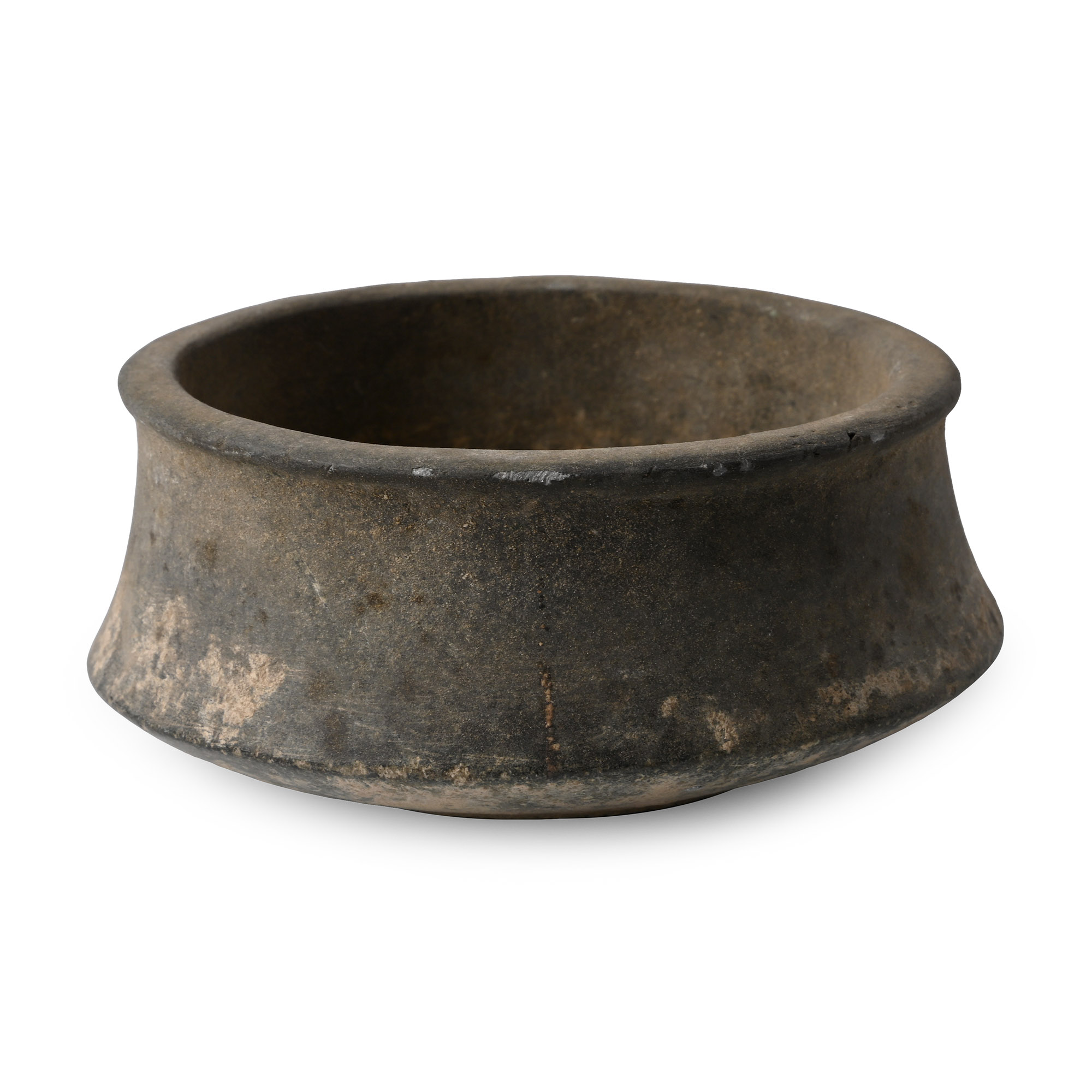
Western Asiatic Stone Vessel
2ND-1ST MILLENNIUM B.C.
4 1/2 in. (396 grams, 11.6 cm wide).
With a broad squat body with carination and a flat rim to the mouth; basal ring.
ProvenanceEx London, UK, collection, 1988-1990s.
CONDITIONTimeLine Auctions follows a vetting process to ensure the authenticity and legality of all items, reinforcing our commitment to integrity and responsible trading. Each antiquity, antique, and coin lot undergoes thorough examination by a vetting committee of at least ten external specialists, professional trade association members, scientists, and archaeologists: Our Vetting Process
AUCTIONS:
TimeLine is a leading auction house specialising in antiquities, ancient art, collectables, natural history, coins, medals, and books. Our auctions offer museums, collectors, historians, and enthusiasts the opportunity to acquire unique and historically significant pieces.
LOT 1232
Western Asiatic Stone Vessel
Estimate £150 - 200€170 - 230 (for guidance only)$200 - 270 (for guidance only)
-
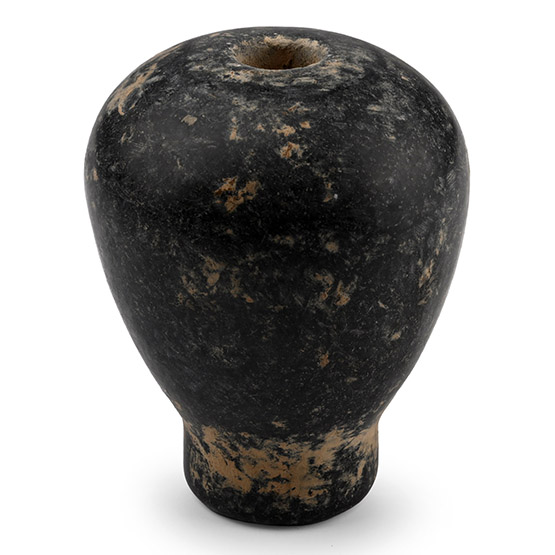
Western Asiatic Stone Macehead
3rd millennium B.C.Sold for (Inc. bp): £124
Piriform in profile with extended tubular socket. 494 grams, 82 mm
From a London, UK, collection, 2000s. -
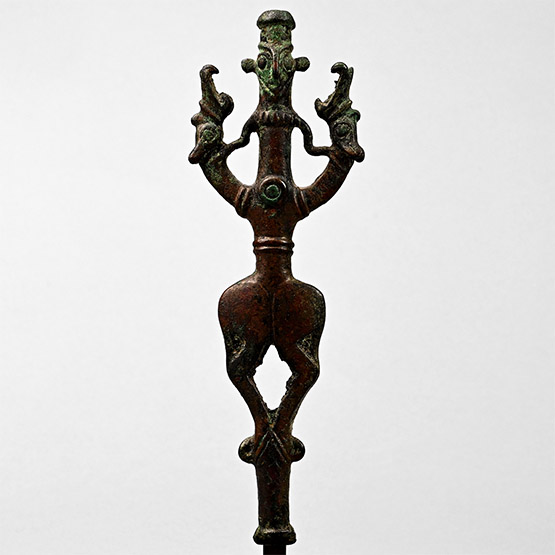
Luristan Bronze Finial with Master of Animals
8th-7th century B.C.Sold for (Inc. bp): £1,560
A bifacial sceptre head formed as a 'Master of Animals' atop a collared tubular stem, comprising two slender crescentic arms representing slender beasts with ridged backs and roaring mouths, each in the grip of the Master standing crowned between them; the Master with tubular body, animal-like ears, prominent nose above a small mouth and wearing a neck ring and domed headdress; mounted on a display stand. 213 grams total, 19.7 cm including stand
Ex Captaine Patrick Pakenham, Geneva, Switzerland, acquired in the 1960s-1970s, thence by succession. Private collection. -
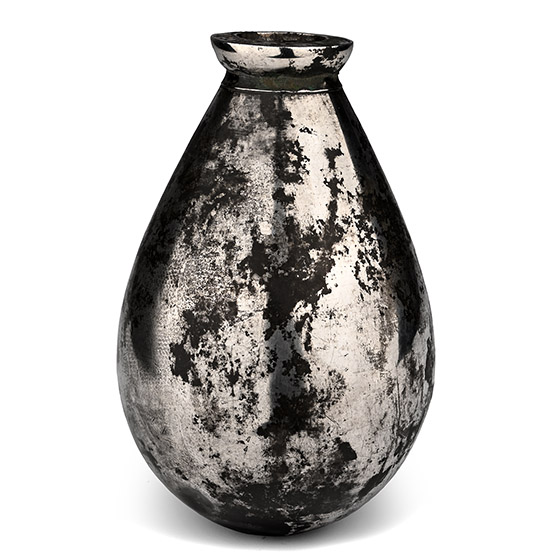
Sasanian Silver Bulb-Shaped Vessel
5th-6th century A.D.Estimate: £5,000 - 7,000 (+bp*)
Opening Bid: £2,000
Ovoid in profile with a short neck and a flat rim, pierced at the bottom; minor dents to the surface. 480 grams, 16.8 cm
London, UK gallery, 1971-early 2000s. Private collection, London, UK. This lot has been checked against the Interpol Database of stolen works of art and is accompanied by search certificate number no.13139-248448.
