
Loading, please wait...
LOT 0286
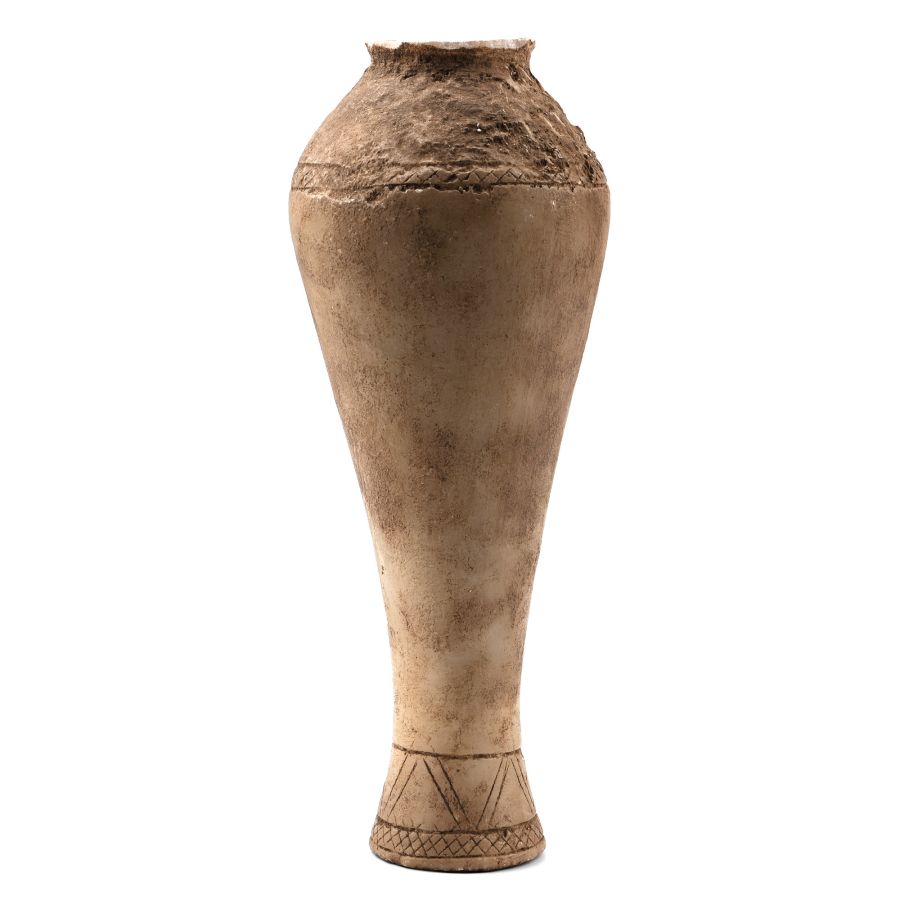
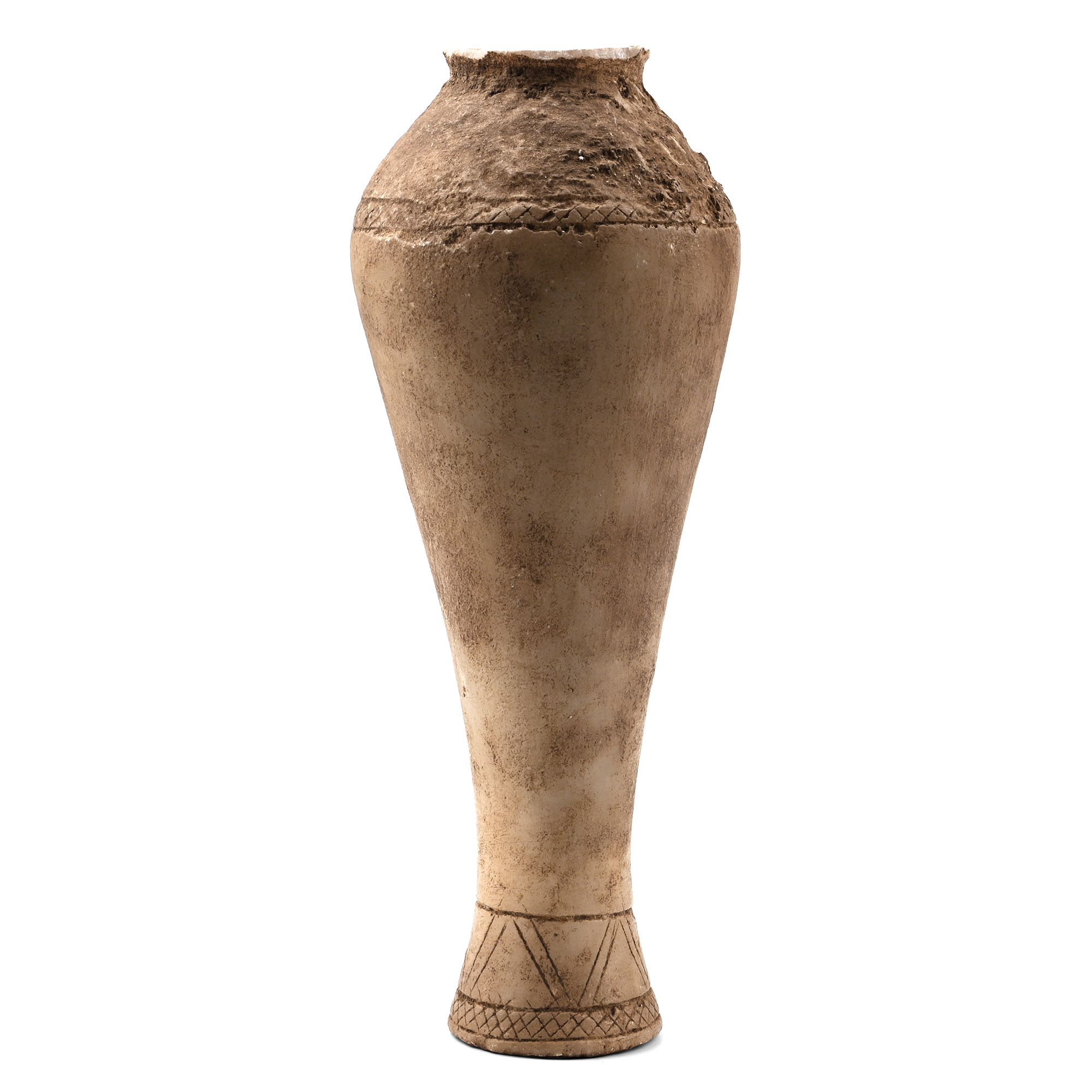
Western Asiatic Stone Vessel with Incised Decorations
1ST MILLENNIUM B.C.
8 in. (354 grams, 20.3 cm high).
Slender and piriform in profile with a broad shoulder, low rim, slightly flared foot; hatched panel to the shoulder, zigzag band above hatching to the foot.
ProvenanceAcquired before 1990.
Ex London gallery, 1990s.
Private collection, London, UK.
TimeLine Auctions follows a vetting process to ensure the authenticity and legality of all items, reinforcing our commitment to integrity and responsible trading. Each antiquity, antique, and coin lot undergoes thorough examination by a vetting committee of at least ten external specialists, professional trade association members, scientists, and archaeologists: Our Vetting Process
AUCTIONS:
TimeLine is a leading auction house specialising in antiquities, ancient art, collectables, natural history, coins, medals, and books. Our auctions offer museums, collectors, historians, and enthusiasts the opportunity to acquire unique and historically significant pieces.
LOT 0286
Western Asiatic Stone Vessel with Incised Decorations
Estimate £700 - 900€810 - 1,040 (for guidance only)$950 - 1,220 (for guidance only)
-
.jpg)
Western Asiatic Bronze and Bone Hand Collection
1st millennium B.C.Sold for (Inc. bp): £13
Including a pin-finial right hand holding a fruit, and other types. 8.7 grams total, 13-38 mm
Private collection, England. -
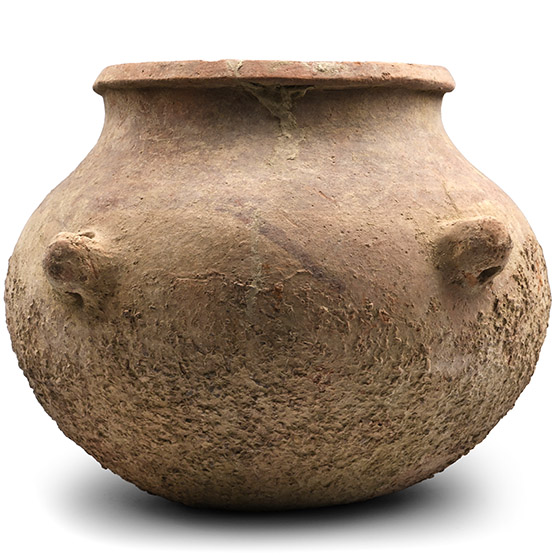
Large Western Asiatic Pottery Hanging Storage Vessel
1st millennium B.C.Sold for (Inc. bp): £117
Squat and bulbous in profile with a low neck and chamefered rim; four lugs to the shoulder, each pierced vertically for attachment of a cord. 2.3 kg, 27.5 cm wide
From the collection of a gentleman, 1988-2000s. -
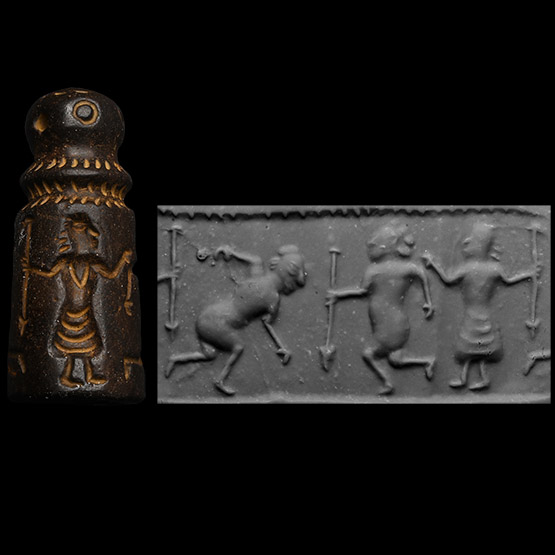
Large Mesopotamian Stone Stamp Seal with Lion and Figural Scene
Circa early 1st millennium B.C. or laterEstimate: £500 - 700 (+bp*)
Opening Bid: £250
Conical body with ribbed collar and knob finial pierced longitudinally, plaque to the underside with incuse image of reclining lion facing backwards; three figures to the outer face, two holding spears next to falling figure. 46 grams, 50 mm
Acquired on the UK art market. Private collection, England.
