
Loading, please wait...
LOT 1252
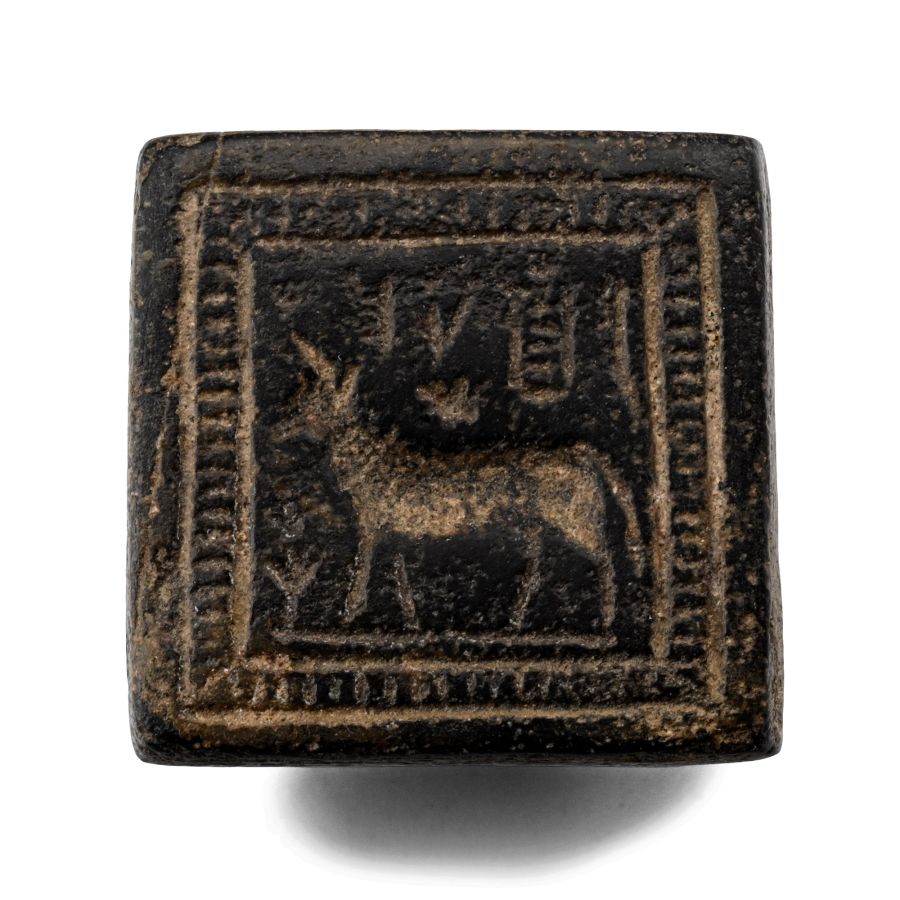
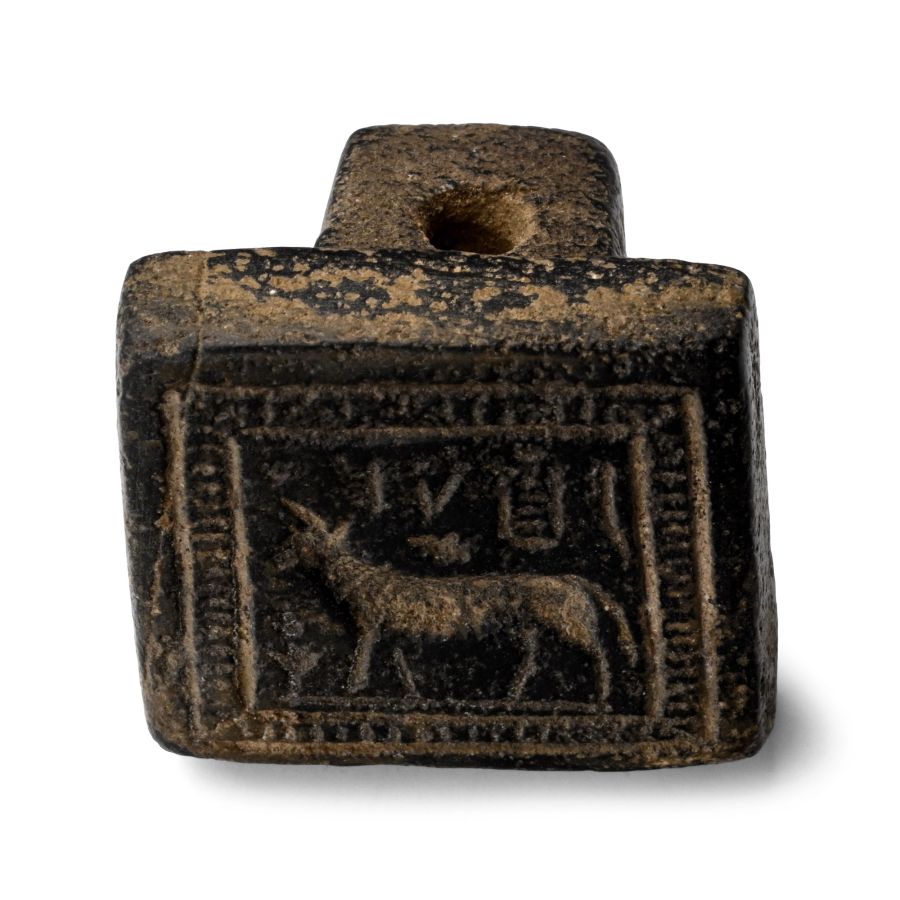
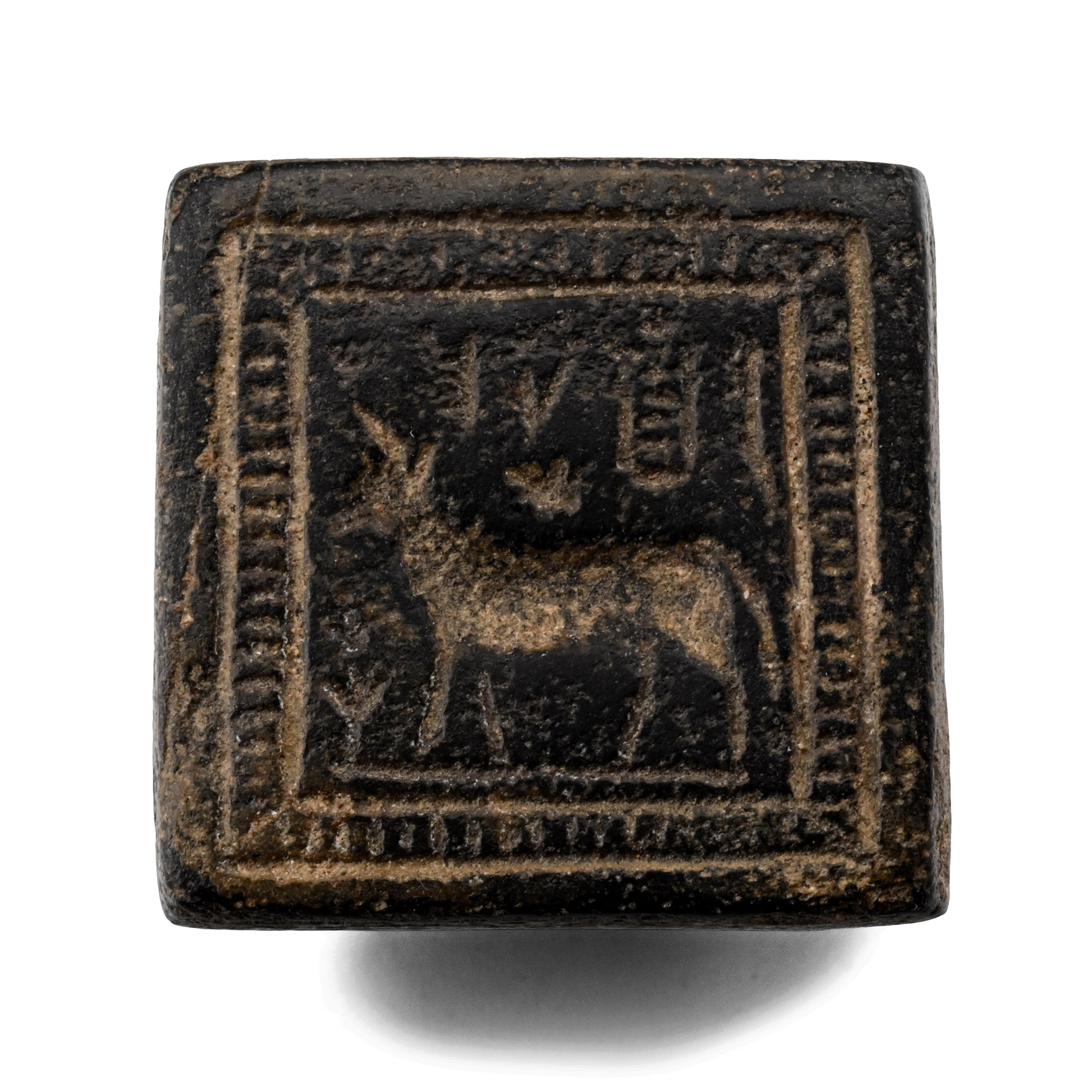
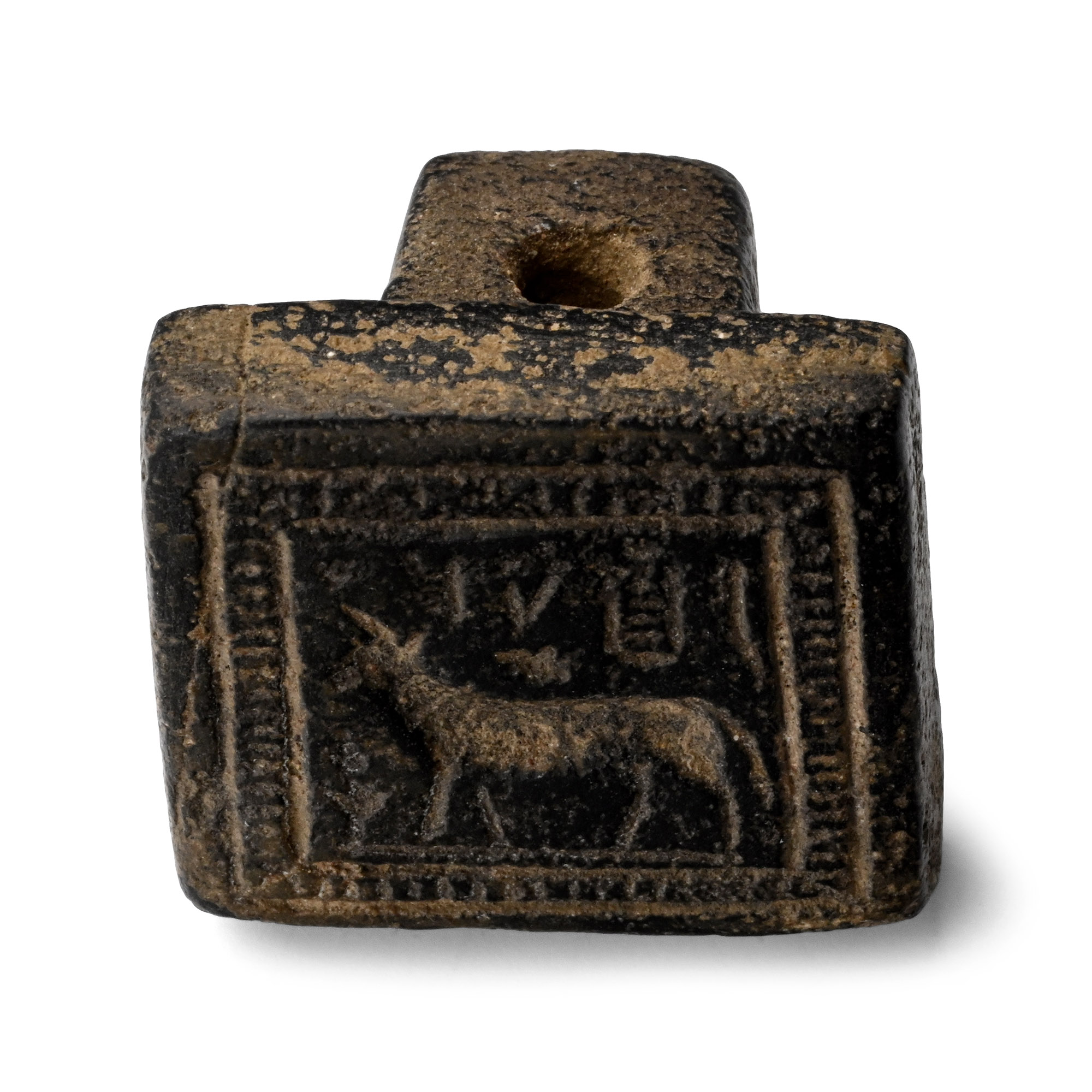
Western Asiatic Stone Stamp Seal with Inscription
1ST MILLENNIUM B.C.
1 1/8 in. (21.1 grams, 28 mm).
Pierced tapering handle to reverse, billeted border enclosing profile standing bull and legend in Indus Valley script.
ProvenanceFrom the London collection of the late Mr S.M., 1969-1999.
CONDITIONTimeLine Auctions follows a vetting process to ensure the authenticity and legality of all items, reinforcing our commitment to integrity and responsible trading. Each antiquity, antique, and coin lot undergoes thorough examination by a vetting committee of at least ten external specialists, professional trade association members, scientists, and archaeologists: Our Vetting Process
AUCTIONS:
TimeLine is a leading auction house specialising in antiquities, ancient art, collectables, natural history, coins, medals, and books. Our auctions offer museums, collectors, historians, and enthusiasts the opportunity to acquire unique and historically significant pieces.
LOT 1252
Western Asiatic Stone Stamp Seal with Inscription
Estimate £400 - 600€460 - 700 (for guidance only)$540 - 810 (for guidance only)
-
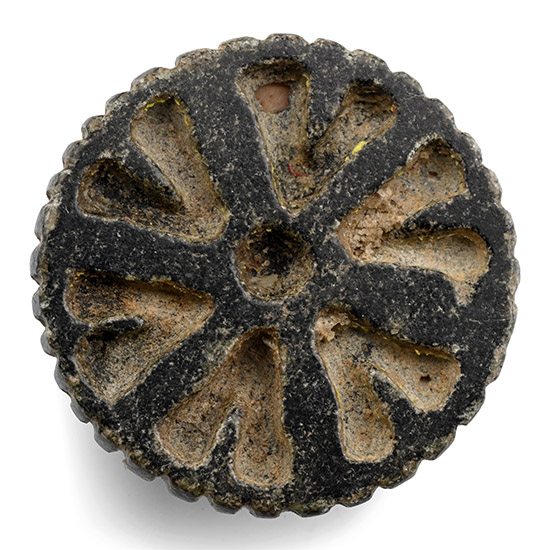
Neo-Assyrian Stone Stamp Seal with Inlays
Circa 800 B.C.Estimate: £250 - 350 (+bp*)
Opening Bid: £125
Discoid in plan with incuse rosette design to stamping face, rectangular stub handle; reverse with five inlaid triangular inserts with stepped edges and a sixth to the upper face of the handle; very rare. 5.52 grams, 25 mm
Ex 'S' collection, London, UK, 1970s-1990s. -
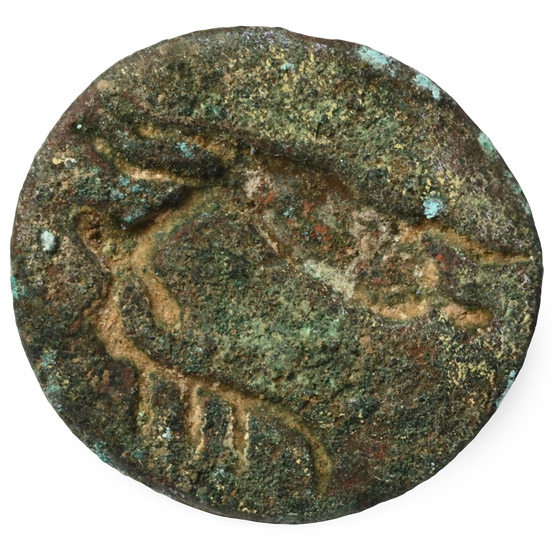
Large Central Asian Floral Backed Bronze Floral Seal
3rd-1st century B.C.Estimate: £100 - 140 (+bp*)
Opening Bid: £50
Discoid seal with incuse design; accompanied by an old scholarly note, typed and signed by W.G. Lambert, late Professor of Assyriology, University of Birmingham, 1970-1993, which states: 'Stamp Seal of Bronze 23 x 24 x 10 mm This is a flat disc with a loop handle. pierced, from the same sheet metal attached to the back. The face shows a deeply engraved stag in a flying gallop. This is reported to have come from west-central Asia, and it fits the area and date c. 300-1 B.C.[sic] It has some incrustation on the surface which could be removed, but is in very good condition.' 6.06 grams, 24 mm
Ex 'S' collection, 1970s-1990s. -
.jpg)
Sasanian Carnelian Gemstone of a Lion with Pahlavi Inscription
5th-7th century A.D.Sold for (Inc. bp): £598
Plano-convex in section with incuse crouching lion motif, bands of Pahlavi script above and below; supplied with a museum-quality impression. 1 grams, 12 mm
Private English collection, formed between the late 1970s and early 1990s. Private collection, London, UK.
