
Loading, please wait...
LOT 1423
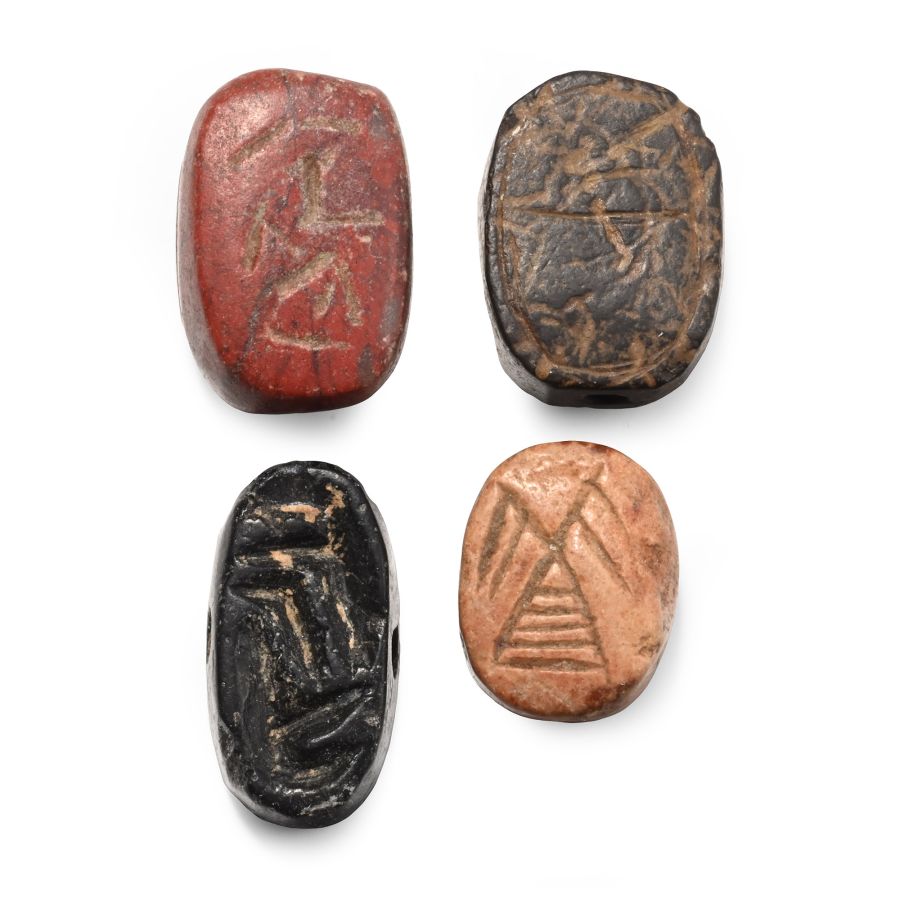
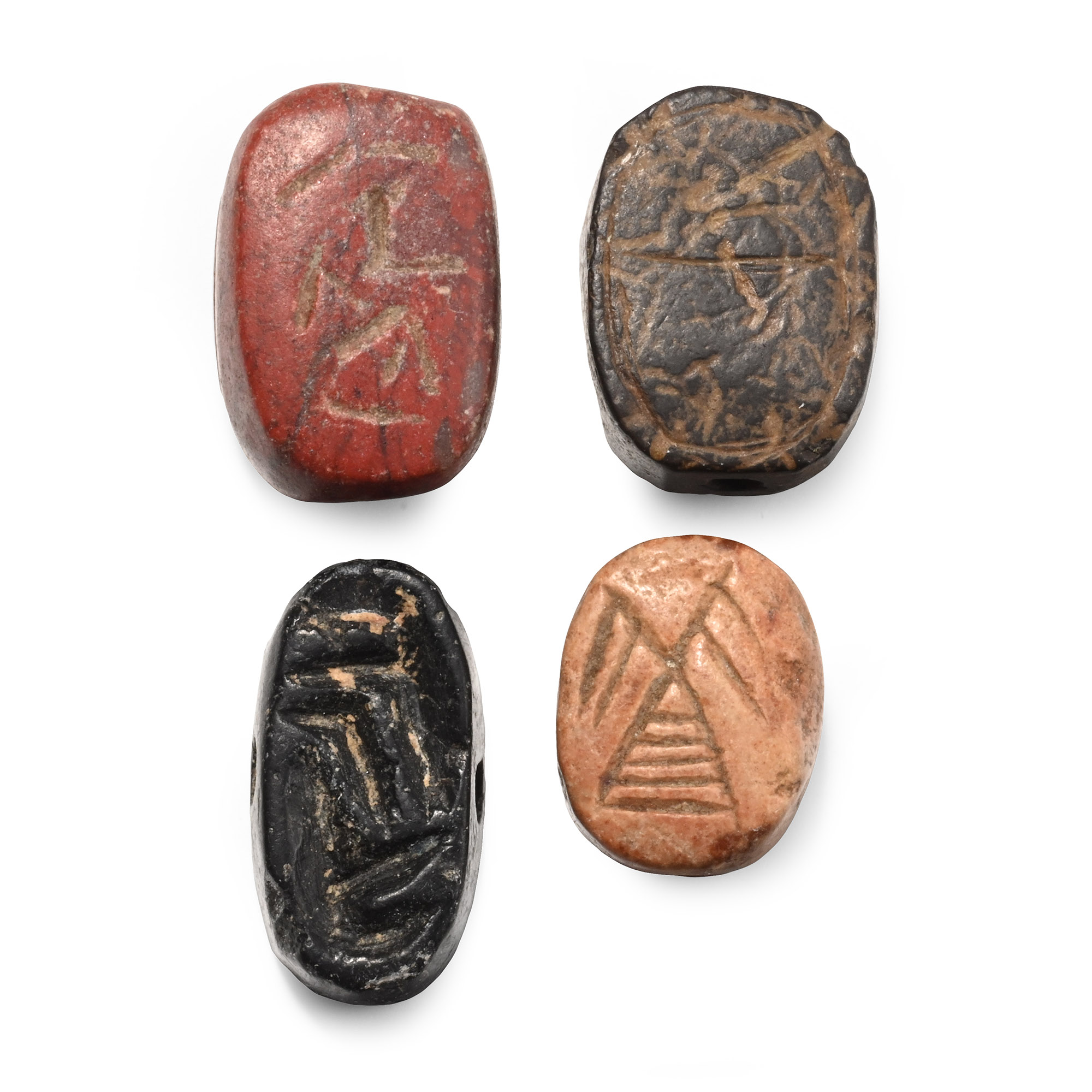
Western Asiatic Stone Scaraboid Seal Group
1ST MILLENNIUM B.C.
5/8 - 3/4 in. (13.9 grams total, 15-20 mm).
Comprising three with engraved motifs on the underside, the fourth with scratched lines within a border. [4, No Reserve]
ProvenanceFrom the private collection of a European gentleman (1942-2024), formed since the 1970s.
CONDITIONTimeLine Auctions follows a vetting process to ensure the authenticity and legality of all items, reinforcing our commitment to integrity and responsible trading. Each antiquity, antique, and coin lot undergoes thorough examination by a vetting committee of at least ten external specialists, professional trade association members, scientists, and archaeologists: Our Vetting Process
AUCTIONS:
TimeLine is a leading auction house specialising in antiquities, ancient art, collectables, natural history, coins, medals, and books. Our auctions offer museums, collectors, historians, and enthusiasts the opportunity to acquire unique and historically significant pieces.
-
.jpg)
Western Asiatic Grey Stone Cylinder Seal with Foal and Bird
1st millennium B.C.Sold for (Inc. bp): £143
Frieze comprising a mare in profile standing with foal suckling beneath. bird perching on a vessel, faravahar winged solar disc above; supplied with a museum-quality impression. 10.16 grams, 30 mm
From the private collection of a European gentleman (1942-2024), formed since the 1970s. -
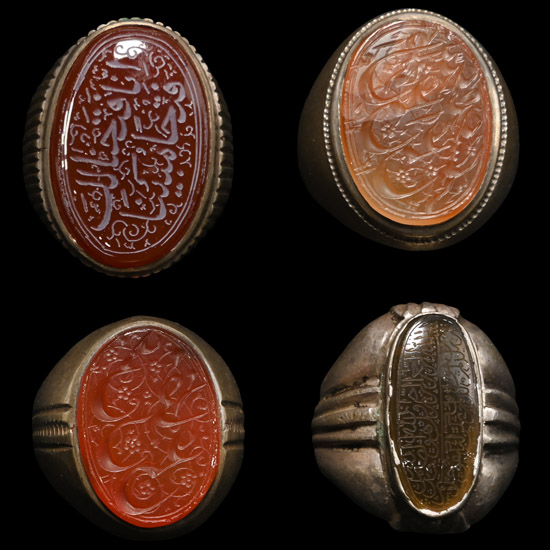
Western Asiatic Silver-Coloured Metal Rings with Calligraphic Gemstones
20th century A.D.Sold for (Inc. bp): £2,340
Comprising four rings set with carnelian gemstones, each with a densely arranged calligraphic inscription. 38.8 grams total, 25-27 mm
Acquired in the late 1980s-early 1990s. Private collection, London, UK. -
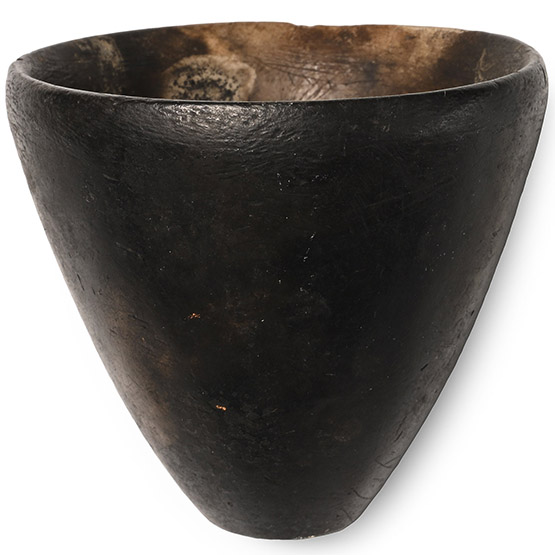
Western Asiatic Stone Beaker
Warka Culture, 4000-3100 B.C.Sold for (Inc. bp): £130
With narrow base, conical body and rounded rim. 132 grams, 66 mm wide
Private collection, assembled in the 1950s-1970s, thence by descent.
