
Loading, please wait...

LOT 1125
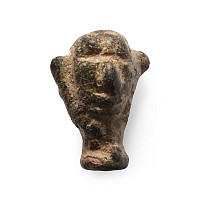
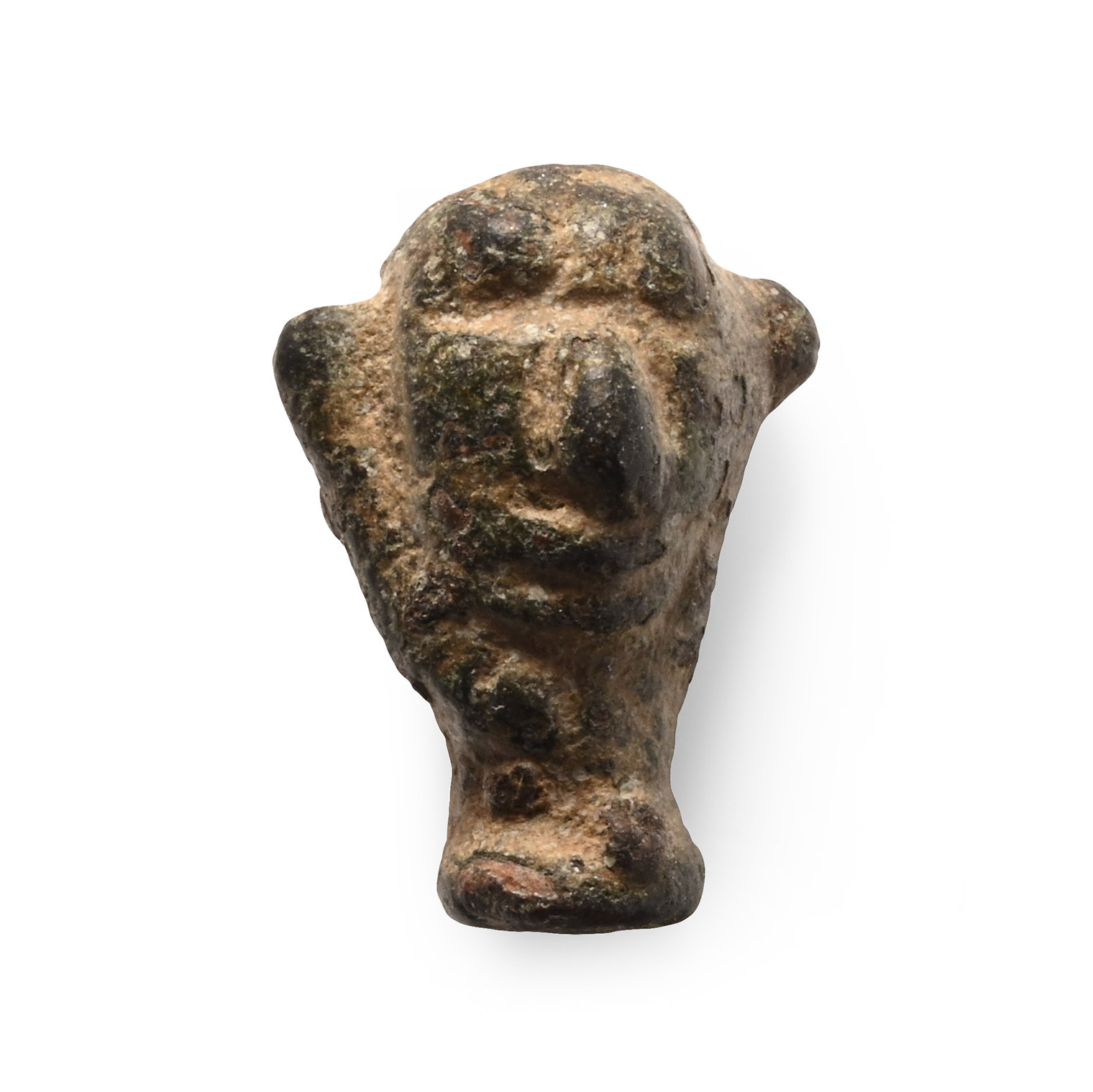
Western Asiatic Stone Pazuzu Head
1ST MILLENNIUM B.C.
3/4 in. (7.03 grams, 19 mm).
Modelled in the round with protruding ears and pinched facial detailing; socket above the head.
ProvenanceAcquired 1980-2015.
Ex Abelita family collection.
TimeLine Auctions follows a vetting process to ensure the authenticity and legality of all items, reinforcing our commitment to integrity and responsible trading. Each antiquity, antique, and coin lot undergoes thorough examination by a vetting committee of at least ten external specialists, professional trade association members, scientists, and archaeologists: Our Vetting Process
AUCTIONS:
TimeLine is a leading auction house specialising in antiquities, ancient art, collectables, natural history, coins, medals, and books. Our auctions offer museums, collectors, historians, and enthusiasts the opportunity to acquire unique and historically significant pieces.
-
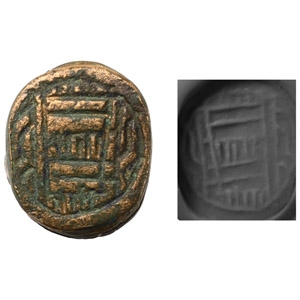
Western Asiatic Bronze Seal Matrix
2nd millennium B.C.Estimate: £80 - 100 (+bp*)
Opening Bid: £44
With a tongue-shaped handle placed perpendicular to the oval body; separately made intaglio with geometric motifs. 9.95 grams, 19 mm
From an important collection formed before 1988, London and Geneva. -
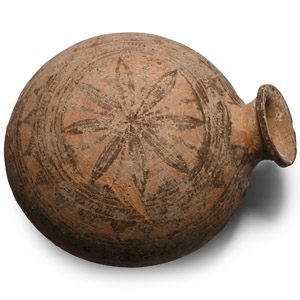
Large Western Asiatic Terracotta Pilgrim's Flask
Iron Age, late 1st millennium B.C.Estimate: £250 - 350 (+bp*)
Opening Bid: £125
Biconvex in section with trumpet-shaped mouth, concentric geometric bands framing the central rosette. 1.62 kg, 25 cm
Ex London, UK, collection, 1990s. -
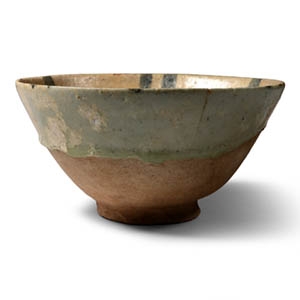
Western Asiatic Decorated White-Glazed Bowl
10th-12th century A.D.Sold for (Inc. bp): £468
Bell-shaped in profile with basal ring, part-glazed with applied strokes to inner face, segmented detailing. 277 grams, 17 cm
Ex London, UK, gallery, 1971-early 2000s. London, UK, collection.
