
Loading, please wait...

LOT 1304
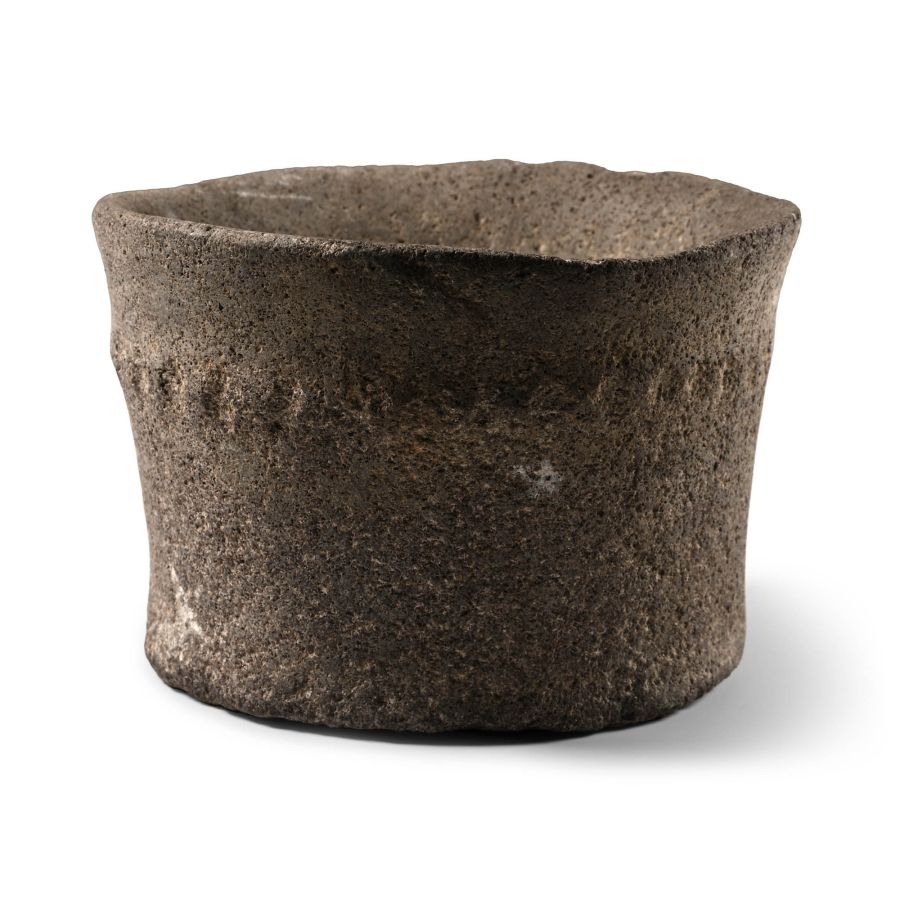
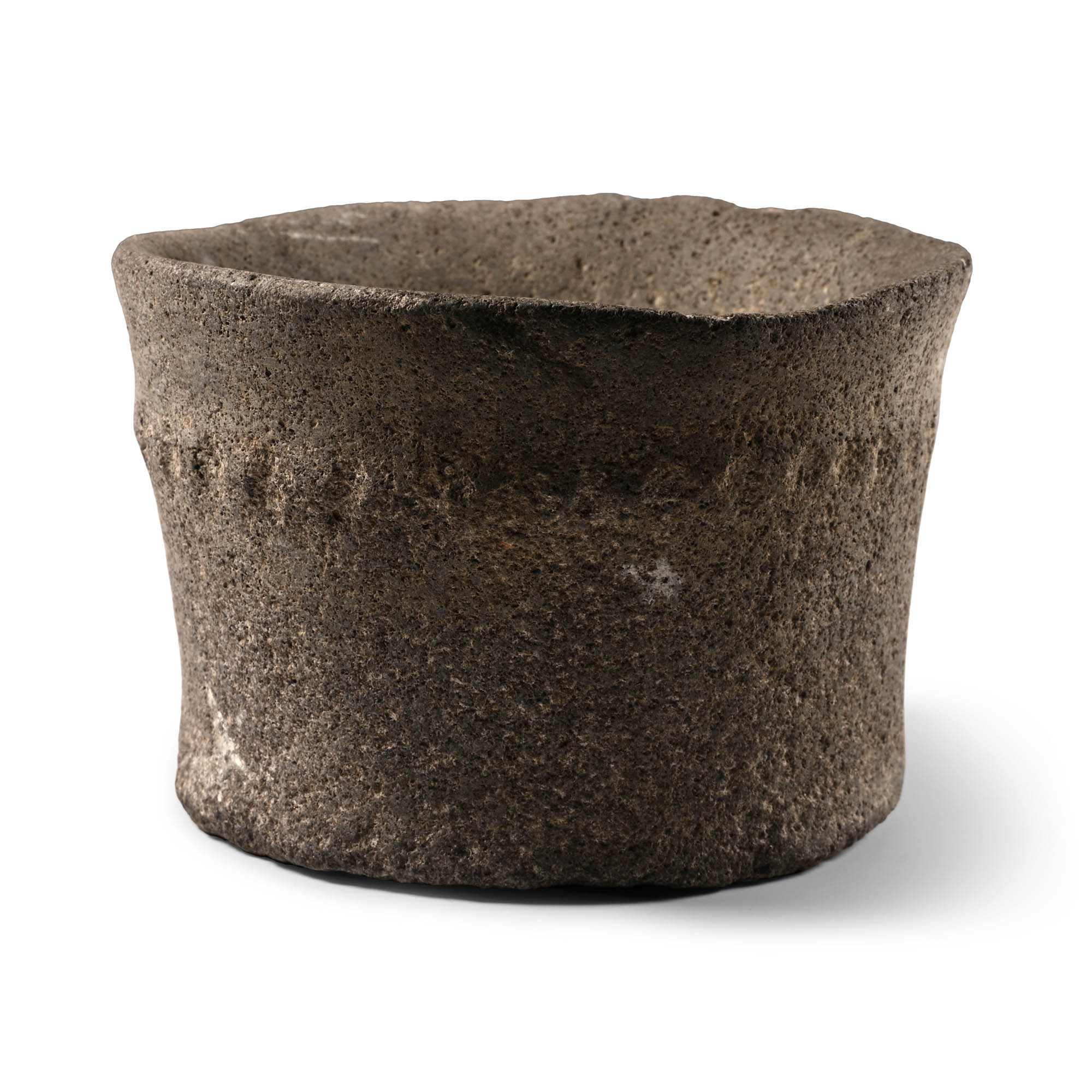
Western Asiatic Stone Mortar
1ST MILLENNIUM B.C.
4 1/2 in. (1.11 kg, 11.5 cm).
With flared profile and rounded lip; rim chipped. [No Reserve]
ProvenanceFrom a collection acquired on the UK art market from various auction houses and collections mostly before 2000.
From an important Cambridgeshire estate; thence by descent.
TimeLine Auctions follows a vetting process to ensure the authenticity and legality of all items, reinforcing our commitment to integrity and responsible trading. Each antiquity, antique, and coin lot undergoes thorough examination by a vetting committee of at least ten external specialists, professional trade association members, scientists, and archaeologists: Our Vetting Process
AUCTIONS:
TimeLine is a leading auction house specialising in antiquities, ancient art, collectables, natural history, coins, medals, and books. Our auctions offer museums, collectors, historians, and enthusiasts the opportunity to acquire unique and historically significant pieces.
-
Sassanian Decorated High Tin Bronze Bowl
3rd-7th century A.D.Sold for (Inc. bp): £234
Broad squat vessel with concentric rings and inscription to inner face. 131 grams, 17.5 cm
Acquired 1980-2015. Ex Abelita family collection. -
Western Asiatic Twisted Bronze Bracelet
1st millennium B.C.Sold for (Inc. bp): £13
Penannular in form with tapered ends, twisted rod format. 8.8 grams, 50 mm
UK private collection before 2000. Acquired on the UK art market. Property of a London gentleman. -
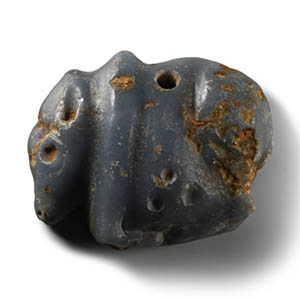
Sumerian Jemdet Nasr Type Blue Stone Animal
Late 4th-early 3rd millennium B.C.Sold for (Inc. bp): £585
D-shaped in section, formed as a zebu with its legs folded beneath the body; five small ibexes to the reverse. 71 grams, 58 mm
Property of a London gentleman; acquired by his father in the 1970s; thence by descent.
