
Loading, please wait...
LOT 1006
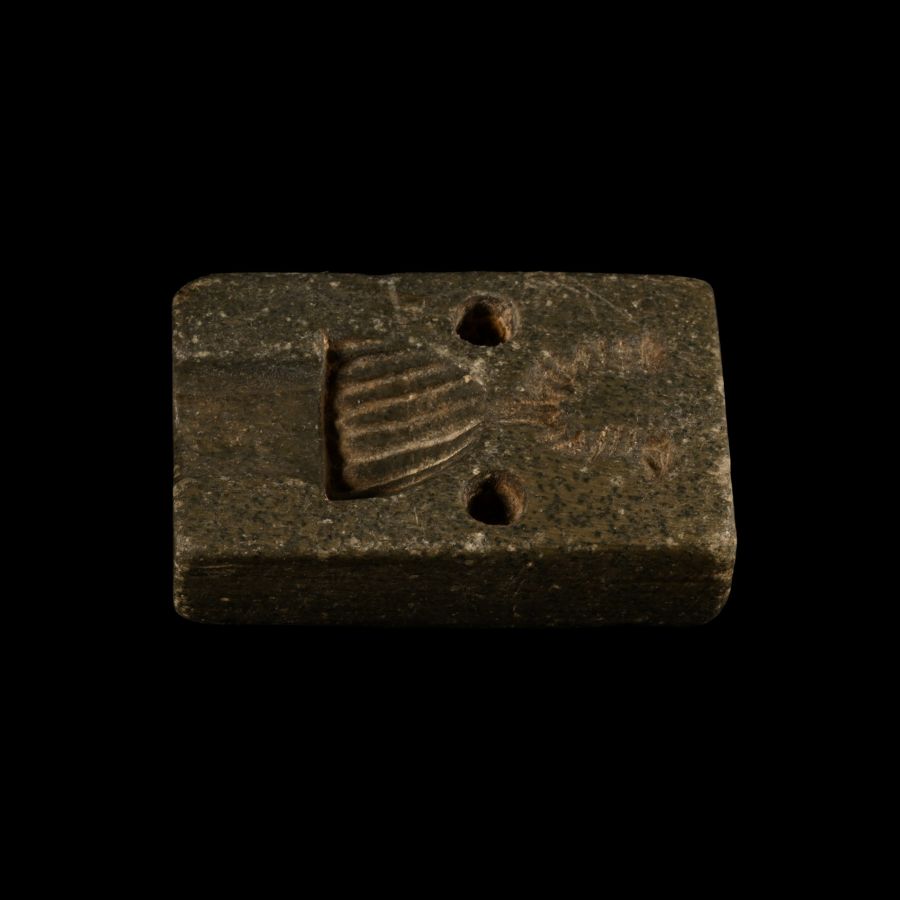
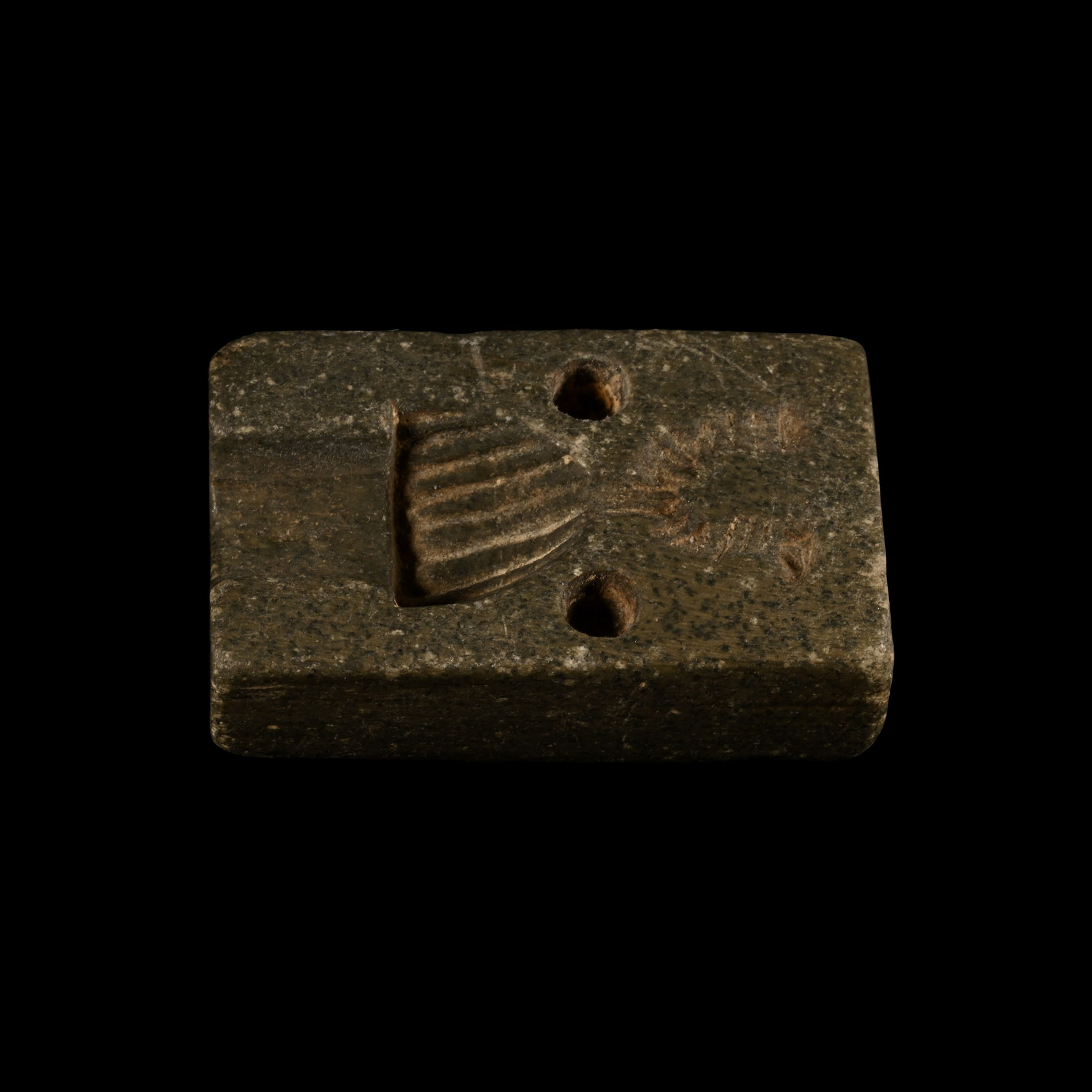
Western Asiatic Stone Jewellery Mould
1ST MILLENNIUM B.C.
1 1/2 in. (28.8 grams, 37 mm).
Used for making a striated domed mount with a crescent-shaped finial; locating holes to each side of the dome. [No Reserve]
ProvenanceFrom the property of the late Mr SM, London, UK, 1969-1999.
CONDITIONTimeLine Auctions follows a vetting process to ensure the authenticity and legality of all items, reinforcing our commitment to integrity and responsible trading. Each antiquity, antique, and coin lot undergoes thorough examination by a vetting committee of at least ten external specialists, professional trade association members, scientists, and archaeologists: Our Vetting Process
AUCTIONS:
TimeLine is a leading auction house specialising in antiquities, ancient art, collectables, natural history, coins, medals, and books. Our auctions offer museums, collectors, historians, and enthusiasts the opportunity to acquire unique and historically significant pieces.
-
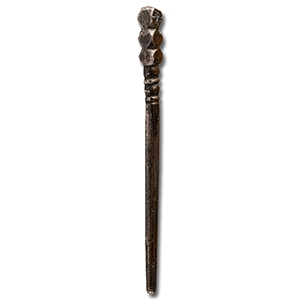
Western Asiatic Silver Dress Pin
1st millennium B.C.Sold for (Inc. bp): £59
With a short tapering body, balustered finial topped with three rounded cuboids. 13.1 grams, 85 mm
From a family collection formed in the 1970s-1980s. From the Inglismaldie Castle estate, Angus, Scotland, by descent to the current owner. -
.jpg)
Mesopotamian Alabaster Disc Beads
Circa 4th millennium B.C.Sold for (Inc. bp): £46
Comprising a quantity of small, mostly disc-shaped beads, in pale alabaster; each pierced for stringing. 63 grams total, 3-8 mm
UK gallery, early 2000s. -
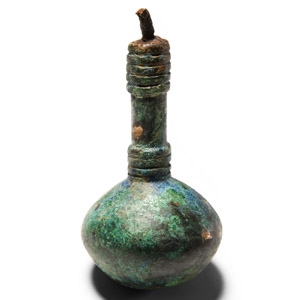
Bactrian Bronze Kohl Pot
1st millennium B.C.Estimate: £200 - 300 (+bp*)
Opening Bid: £100
With biconvex body and tall tubular neck, integral ribbed collars; applicator in situ. 275 grams, 95 mm
Ex old English collection. London art market, pre 2000. Property of a London, UK, gentleman.
