
Loading, please wait...


LOT 1297
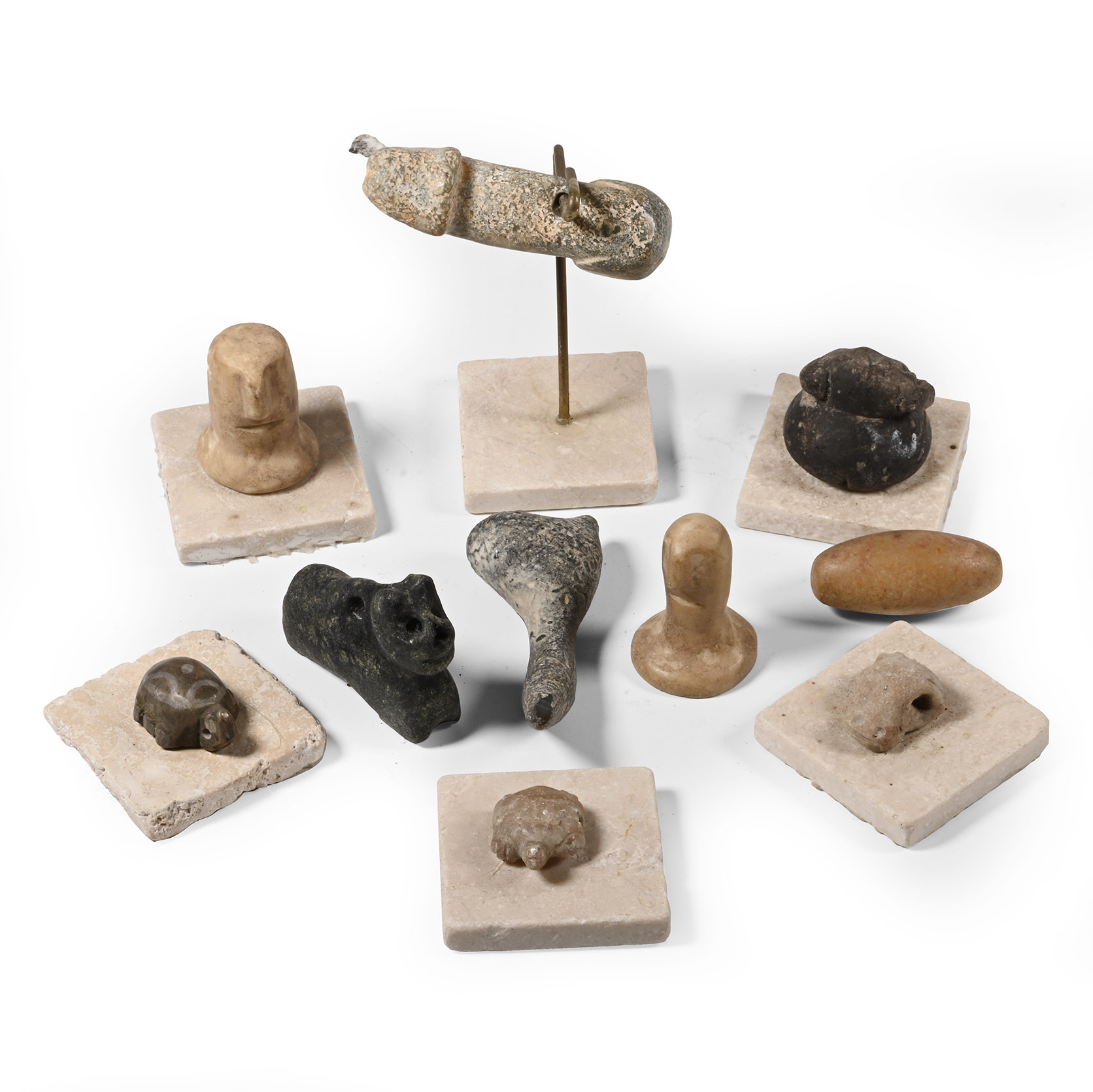
Western Asiatic Stone Idol and Other Artefact Group
1ST MILLENNIUM B.C. AND LATER
1 7/8 - 3 3/4 in. (586 grams total, 48-94 mm including stand).
Including phallus, heads, fusiform bead and other items, some on a ceramic base. [9, No Reserve]
ProvenanceFrom a collection acquired on the UK art market from various auction houses and collections mostly before 2000.
From an important Cambridgeshire estate; thence by descent.
TimeLine Auctions follows a vetting process to ensure the authenticity and legality of all items, reinforcing our commitment to integrity and responsible trading. Each antiquity, antique, and coin lot undergoes thorough examination by a vetting committee of at least ten external specialists, professional trade association members, scientists, and archaeologists: Our Vetting Process
AUCTIONS:
TimeLine is a leading auction house specialising in antiquities, ancient art, collectables, natural history, coins, medals, and books. Our auctions offer museums, collectors, historians, and enthusiasts the opportunity to acquire unique and historically significant pieces.
-
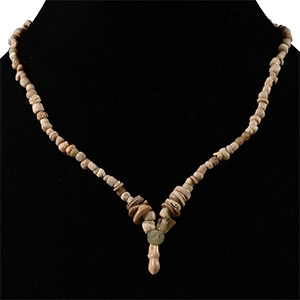
Ancient Bead Necklace String
1st millennium B.C. and laterSold for (Inc. bp): £33
Comprising discoid, oblate and other types in stone, shell, and other materials; restrung. 14 grams, 44 cm
UK gallery, early 2000s. -
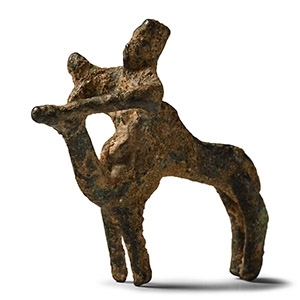
South Arabian Bronze Camel Rider Statuette
2nd-1st century B.C.Sold for (Inc. bp): £39
Modelled in the round, the rider perched on the camel's single hump, holding the reins in his left hand, right arm raised. 17.5 grams, 49 mm long
Acquired in the 1980s. From a French collection. Property of a Bristol, UK, gentleman. -
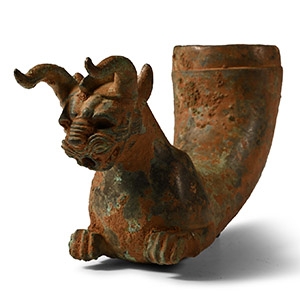
Achaemenid Bronze Rhyton with Horned Lion
5th-4th century B.C.Sold for (Inc. bp): £8,450
With a curved tapering body, the protome formed as a mythical horned lion with folded wings, mouth with a hole and large hollow eyes to accept inlay, the short, dense mane marked with vertical grooves. 748 grams, 16 cm
From a private family collection formed since the early 19th century, thence by descent. Property of a New Zealand legal professional. Accompanied by an academic report by Dr Raffaele D’Amato. This lot has been checked against the Interpol Database of stolen works of art and is accompanied by search certificate number no.12325-223713.
